

Collection: Abstract Rugs
Colour, form, movement — design as expression






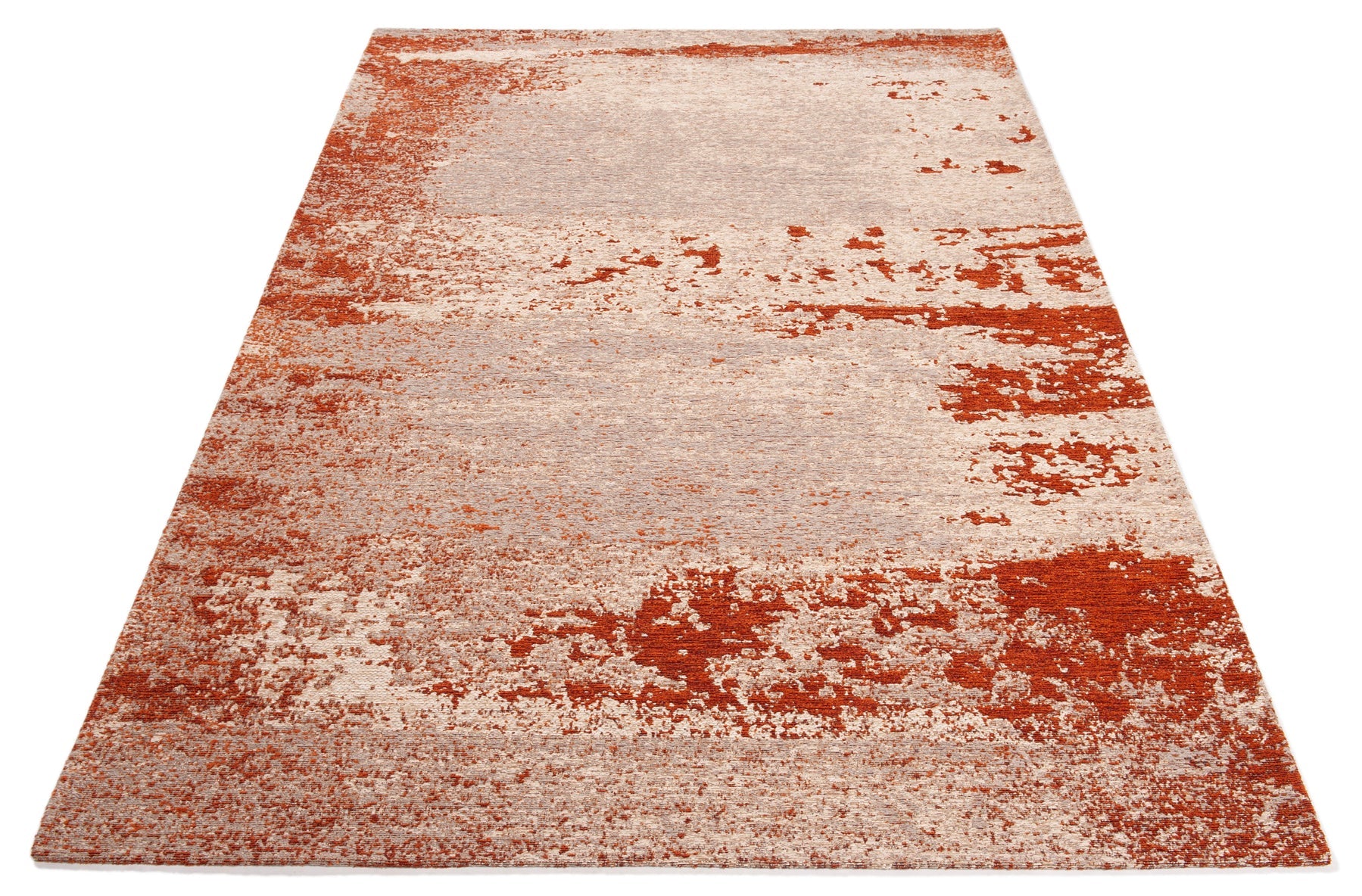
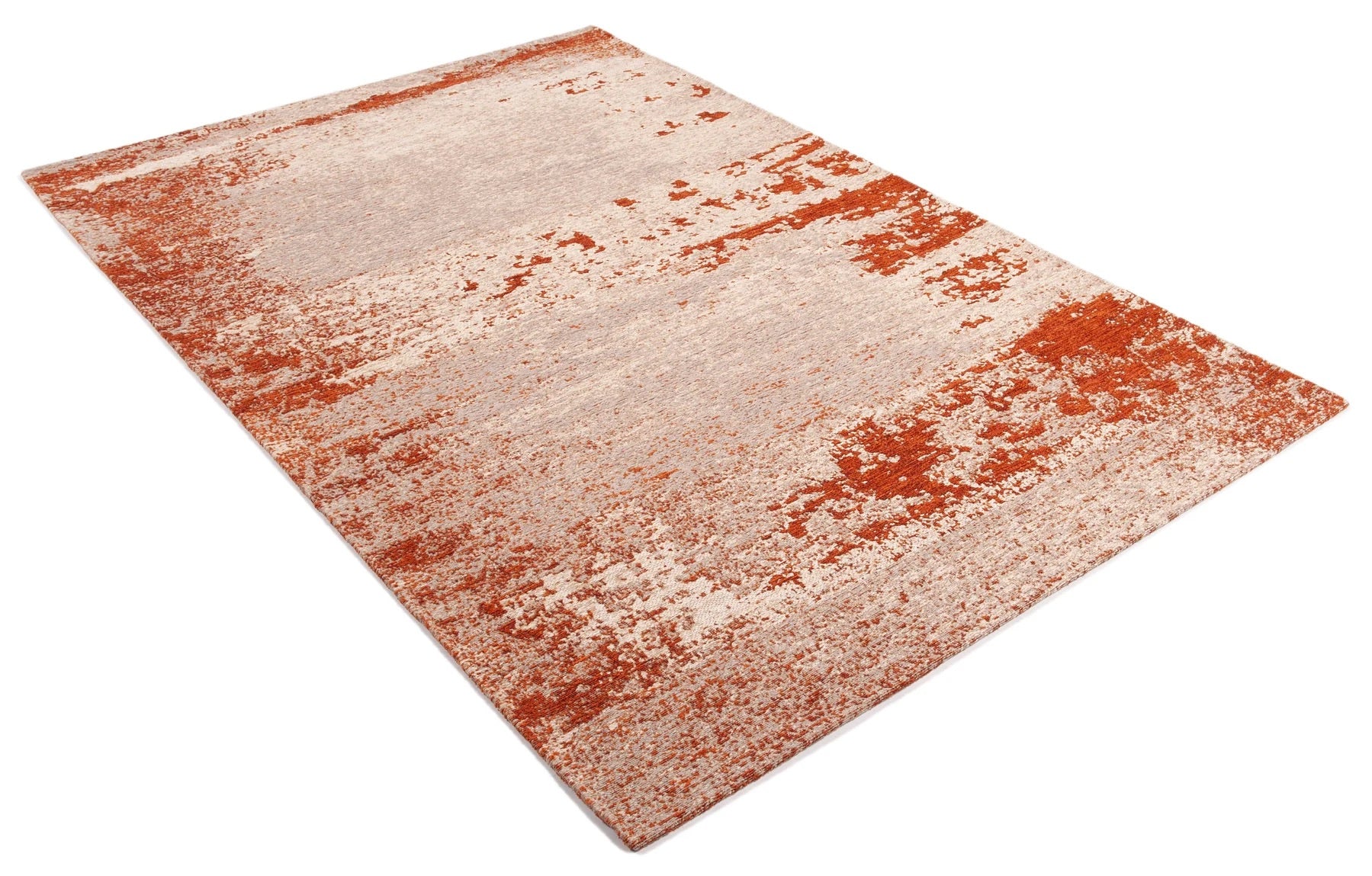


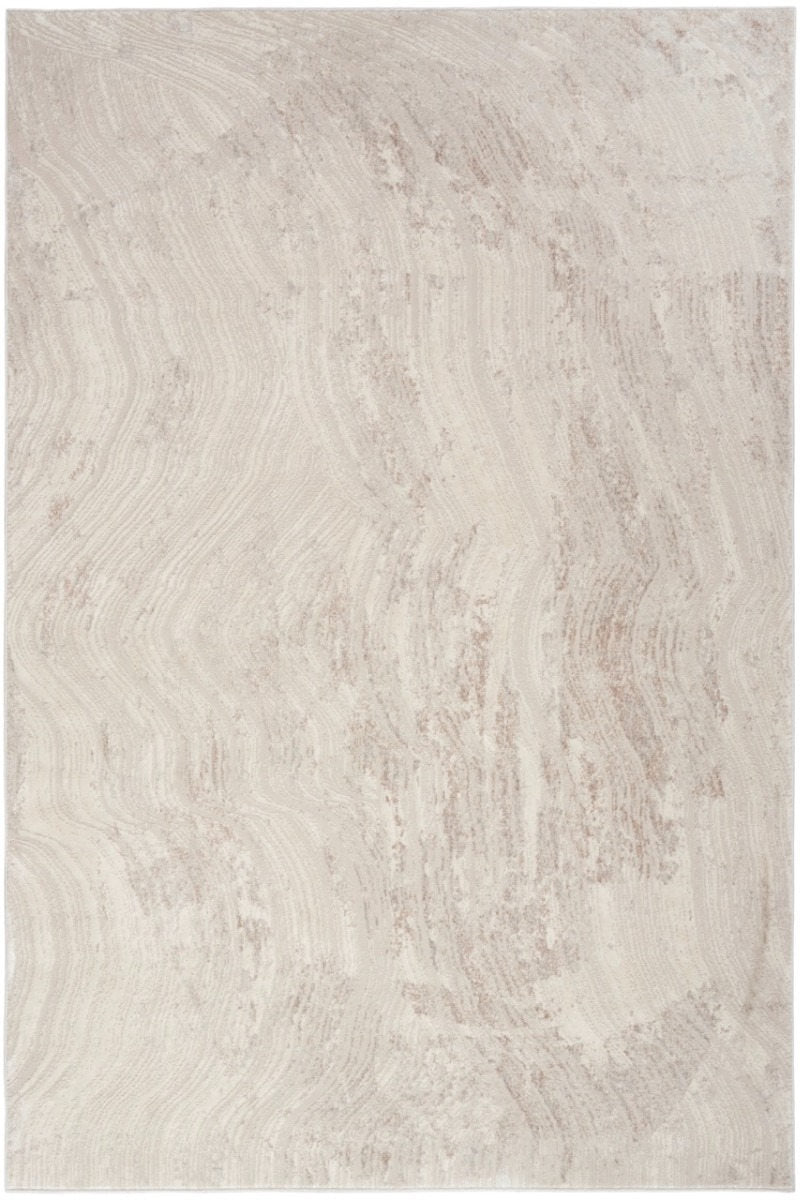
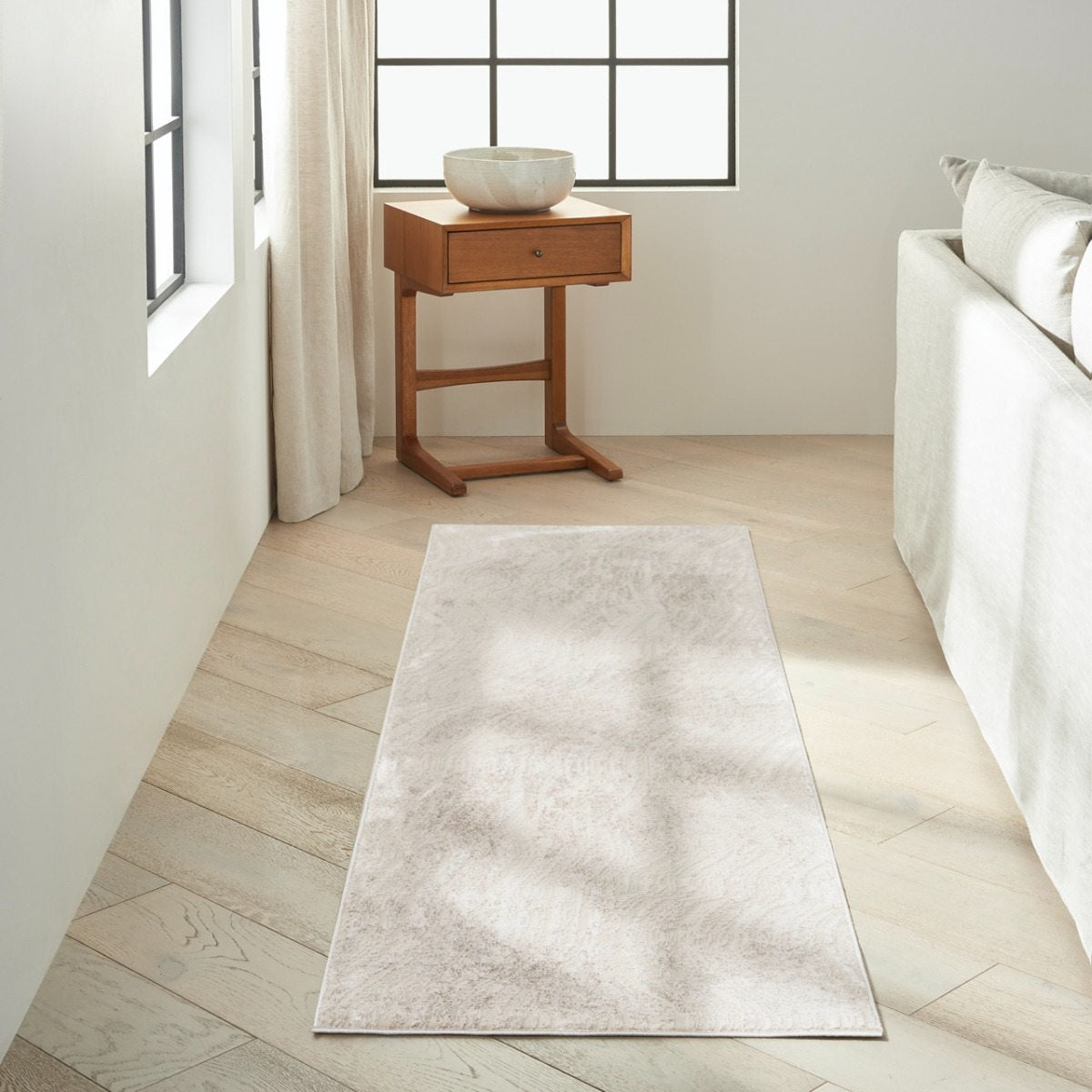
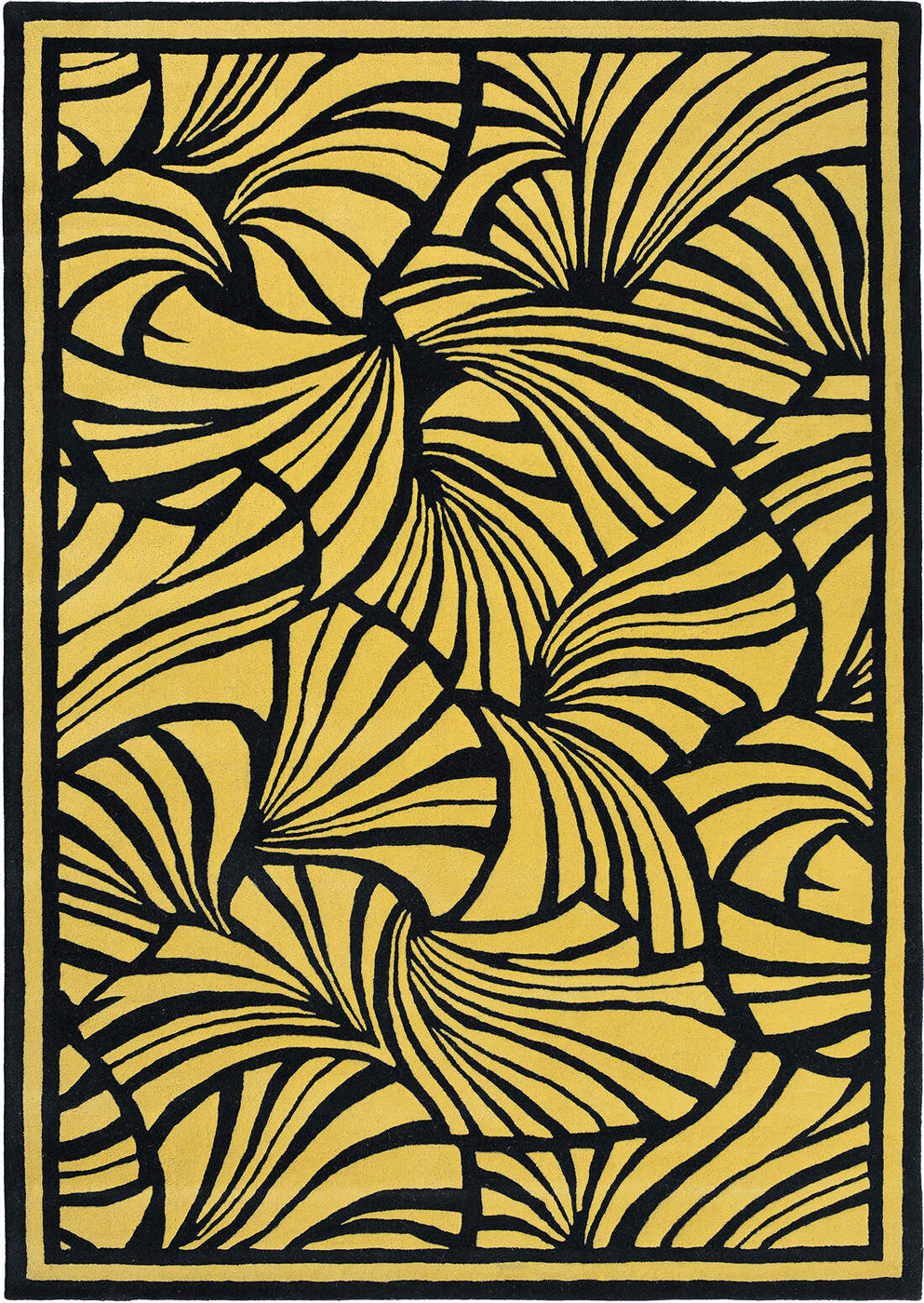
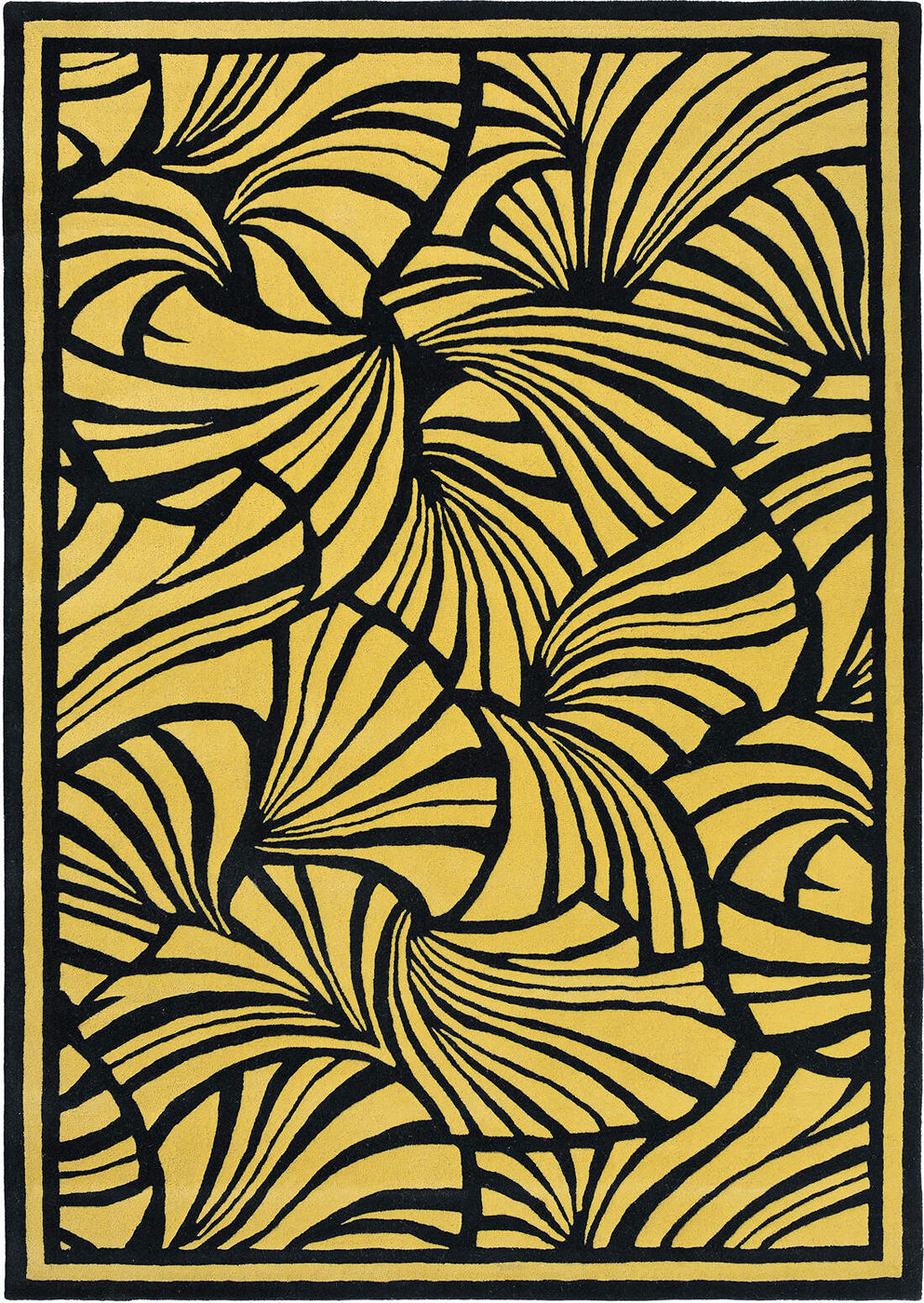

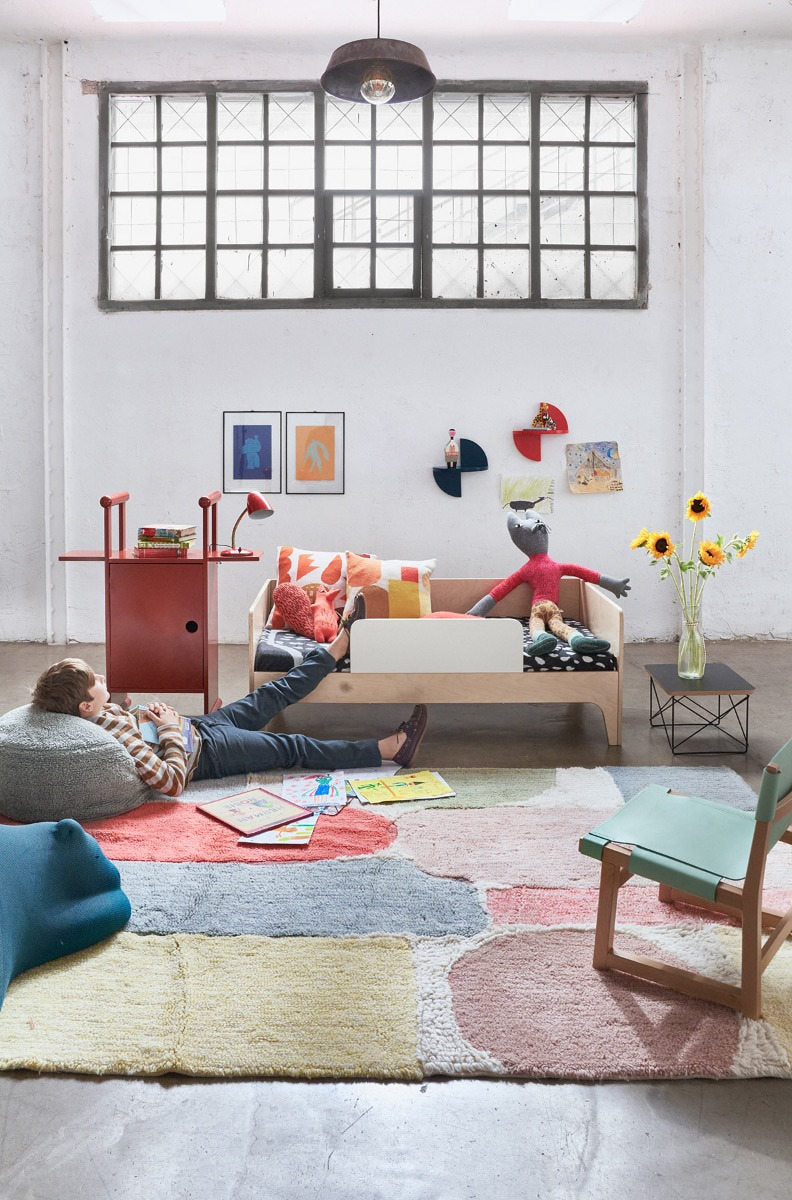


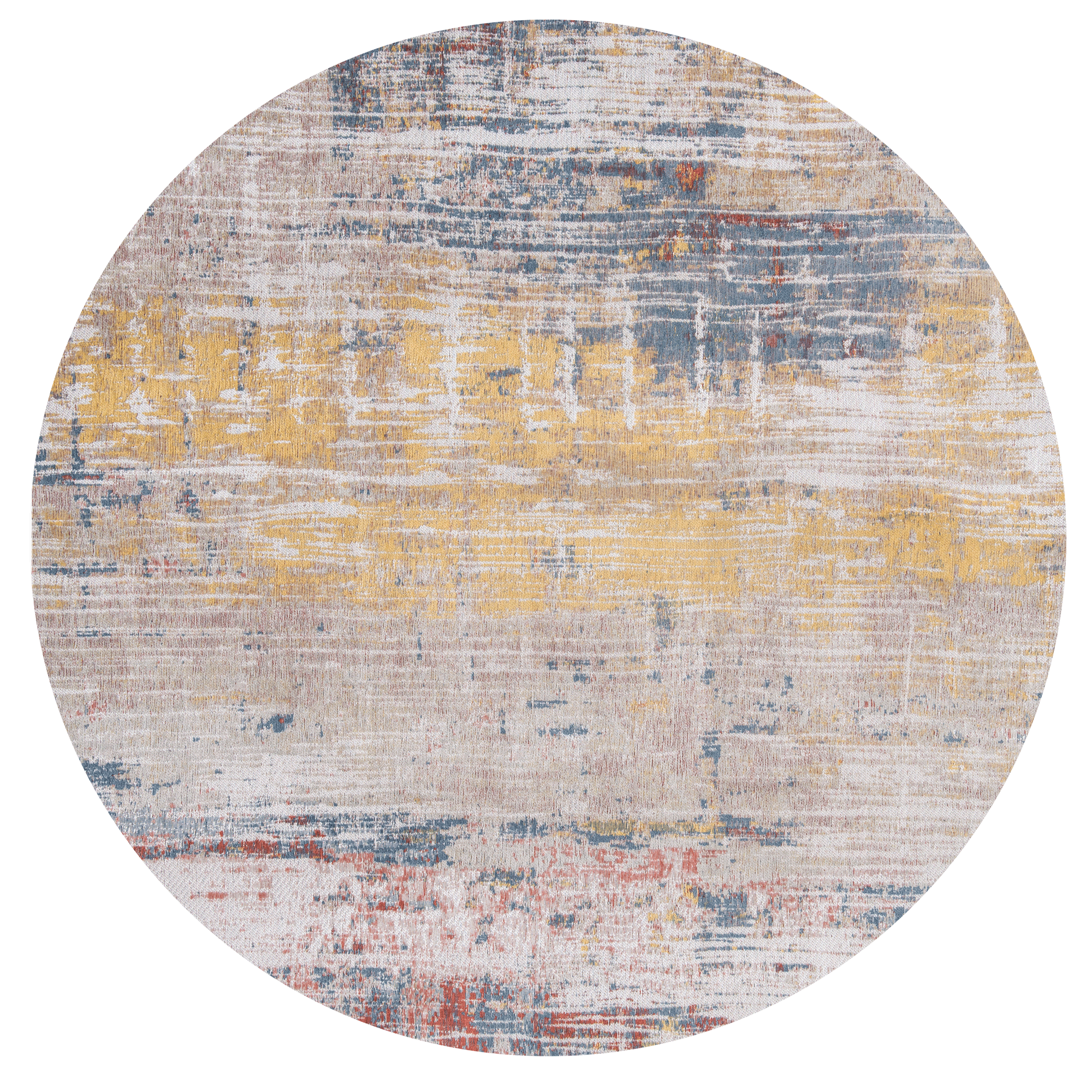
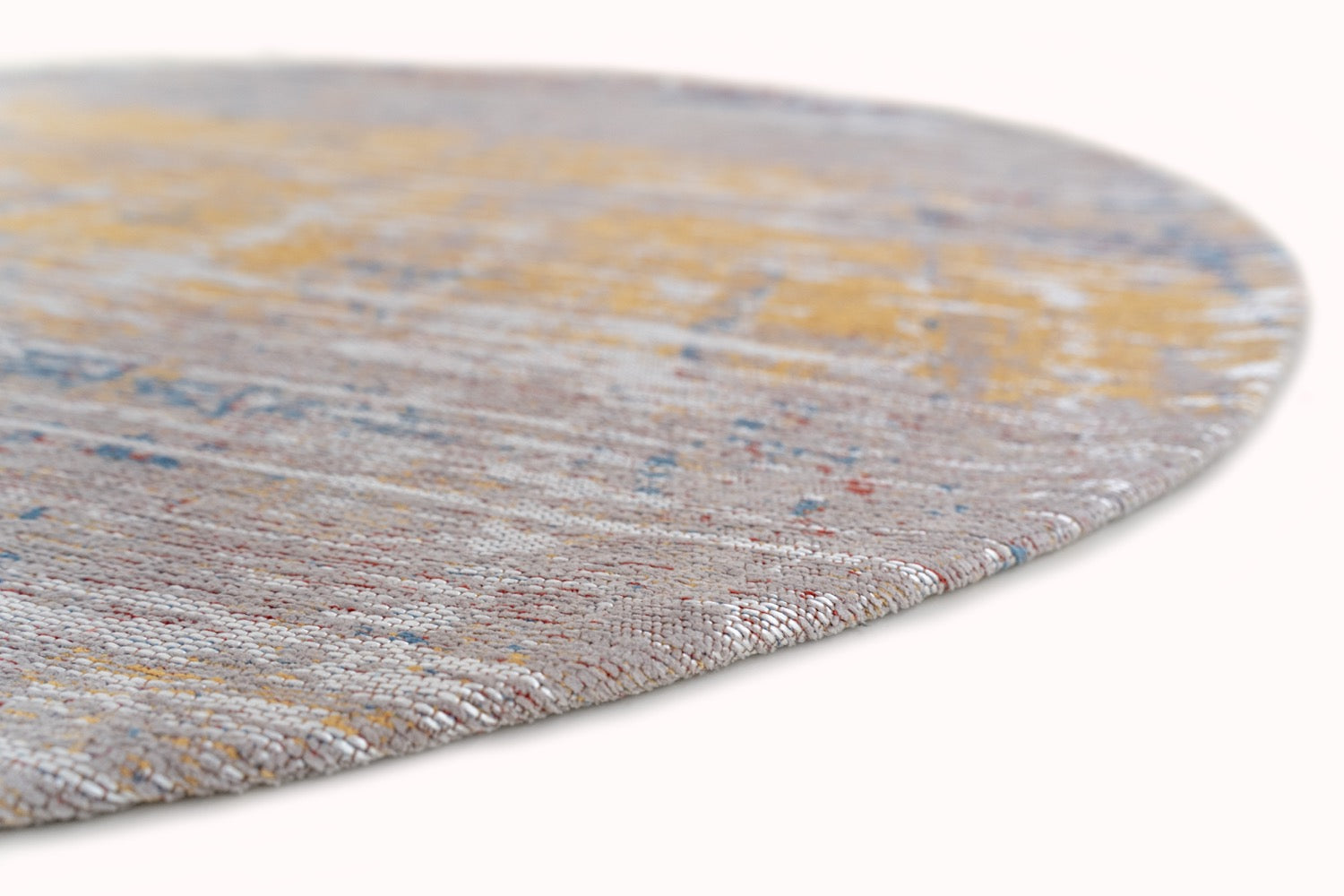
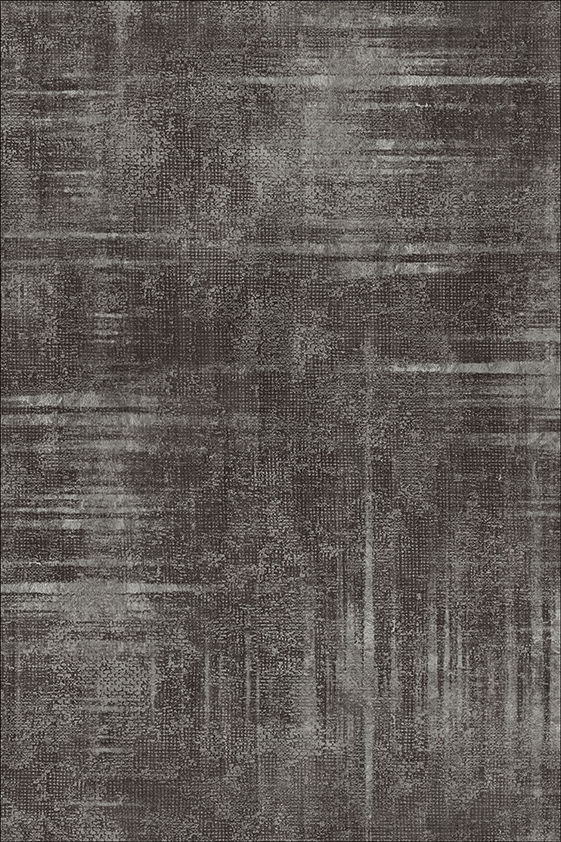
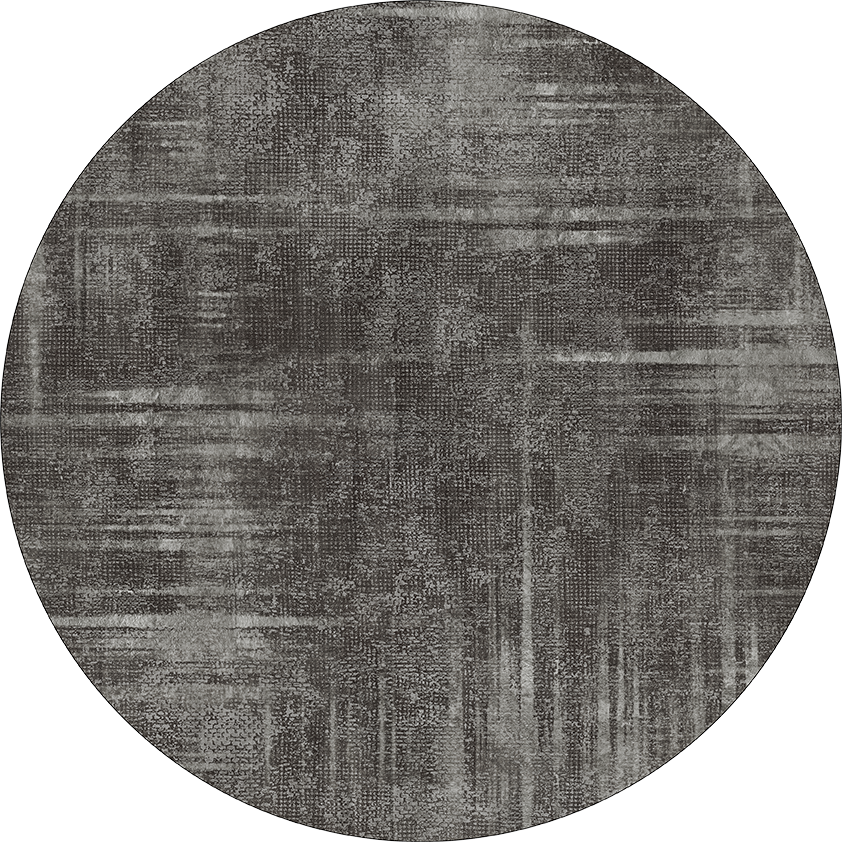


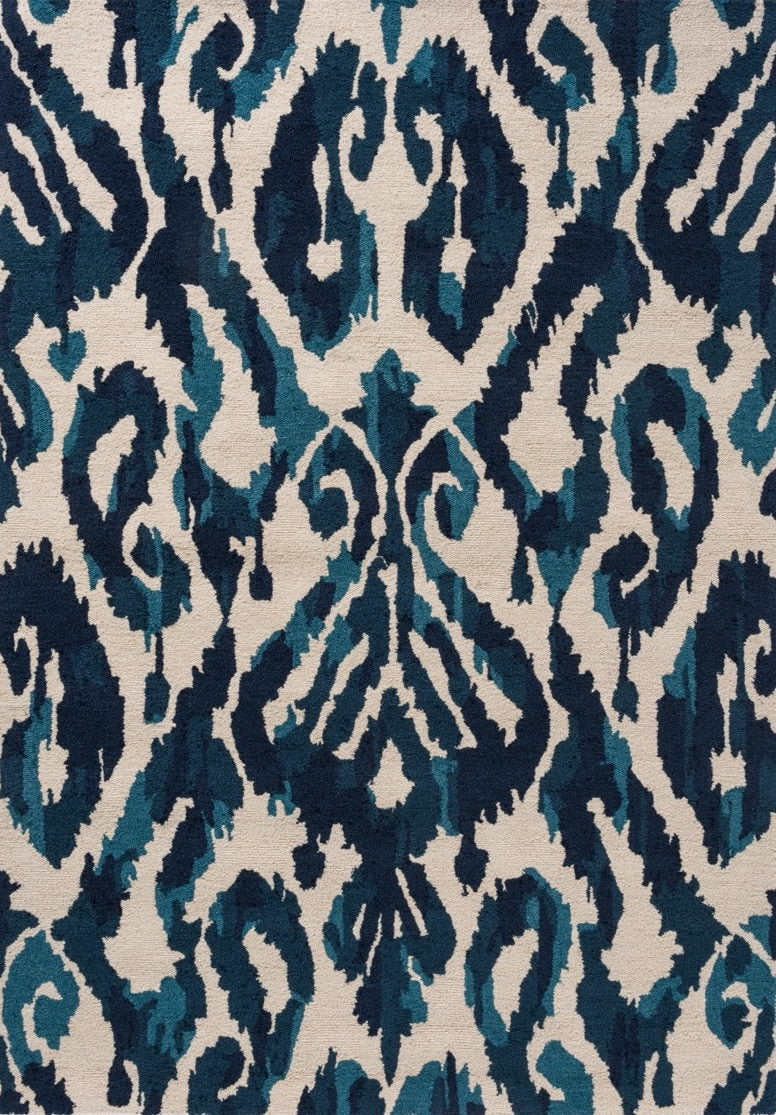
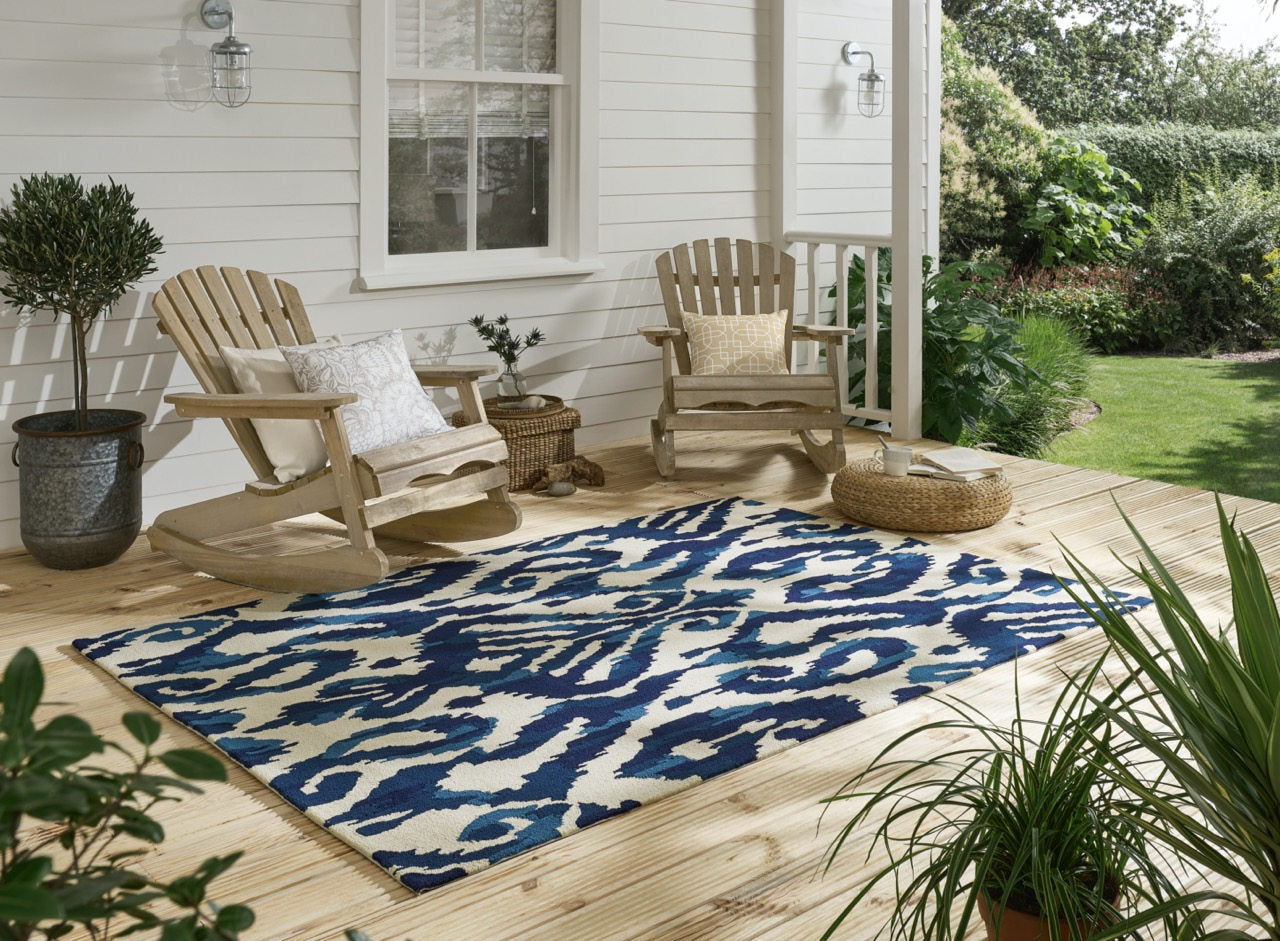


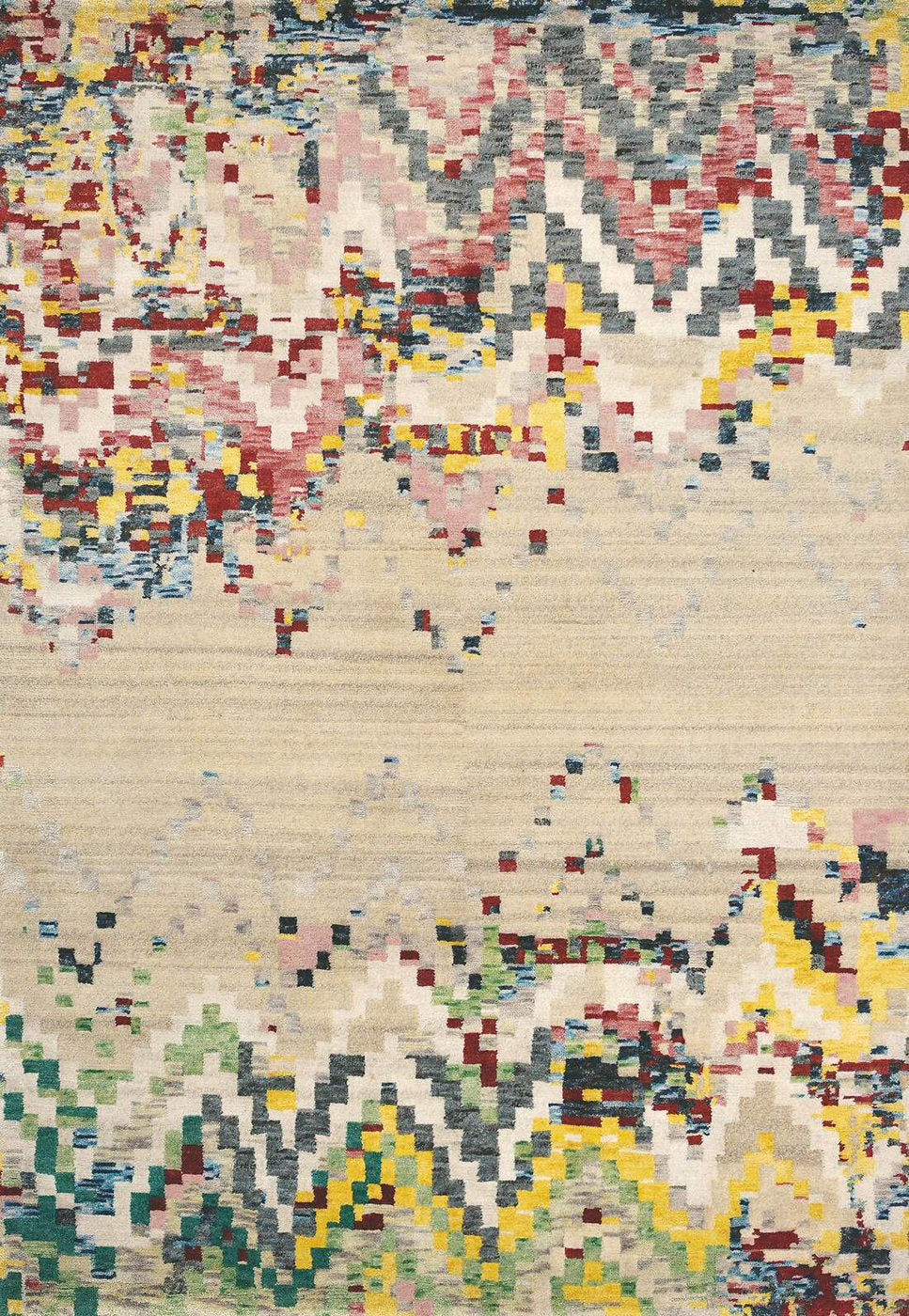
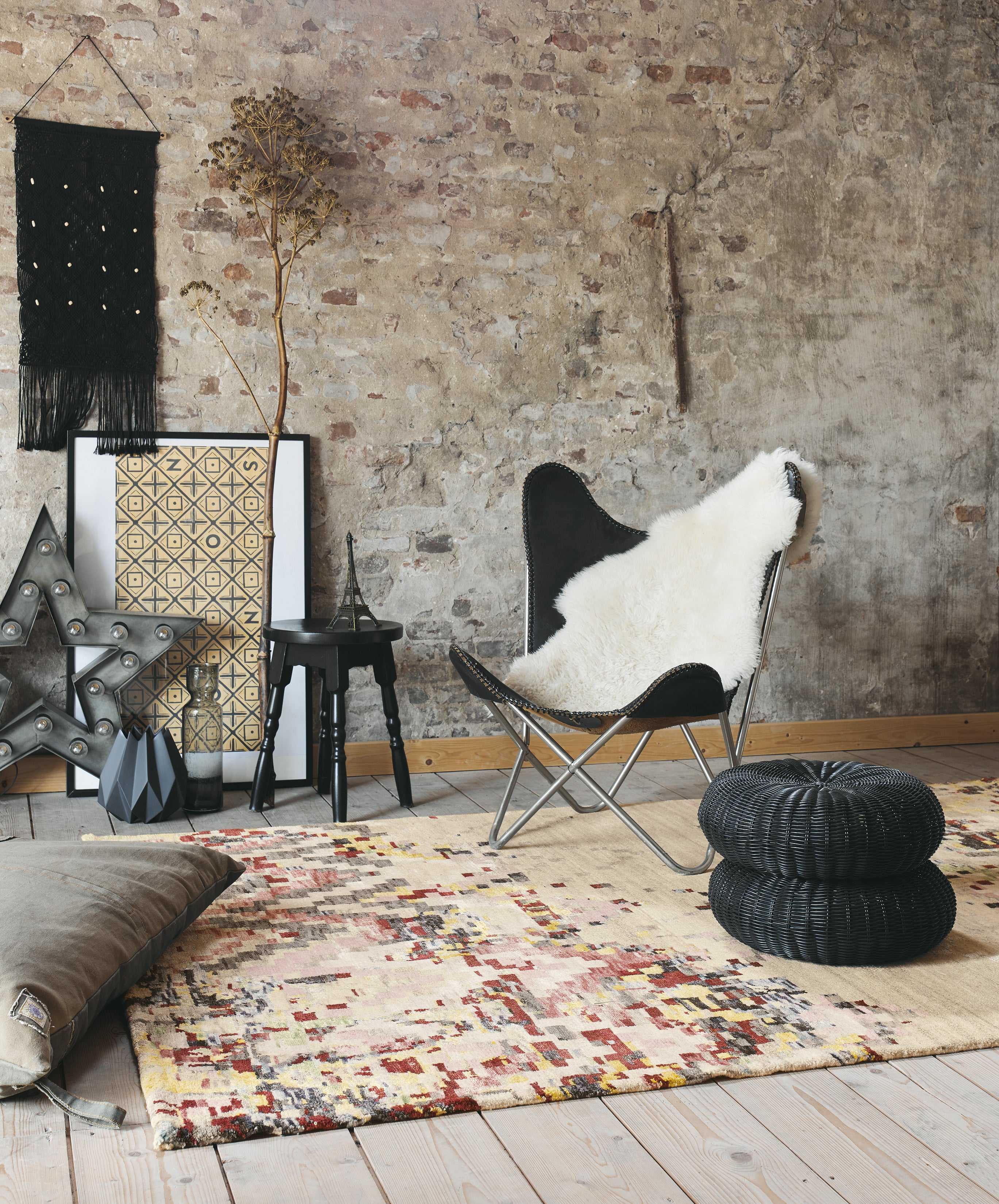
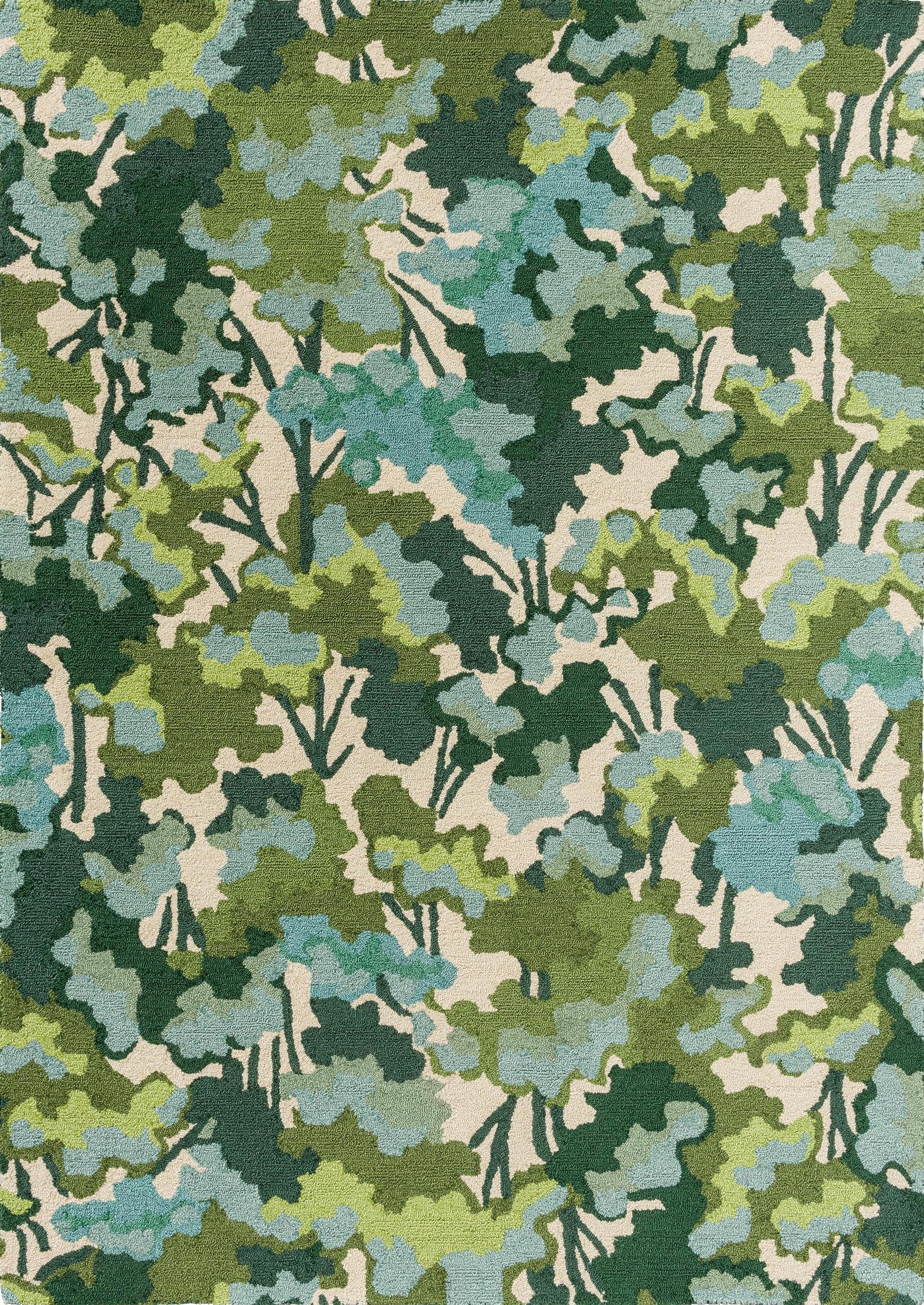




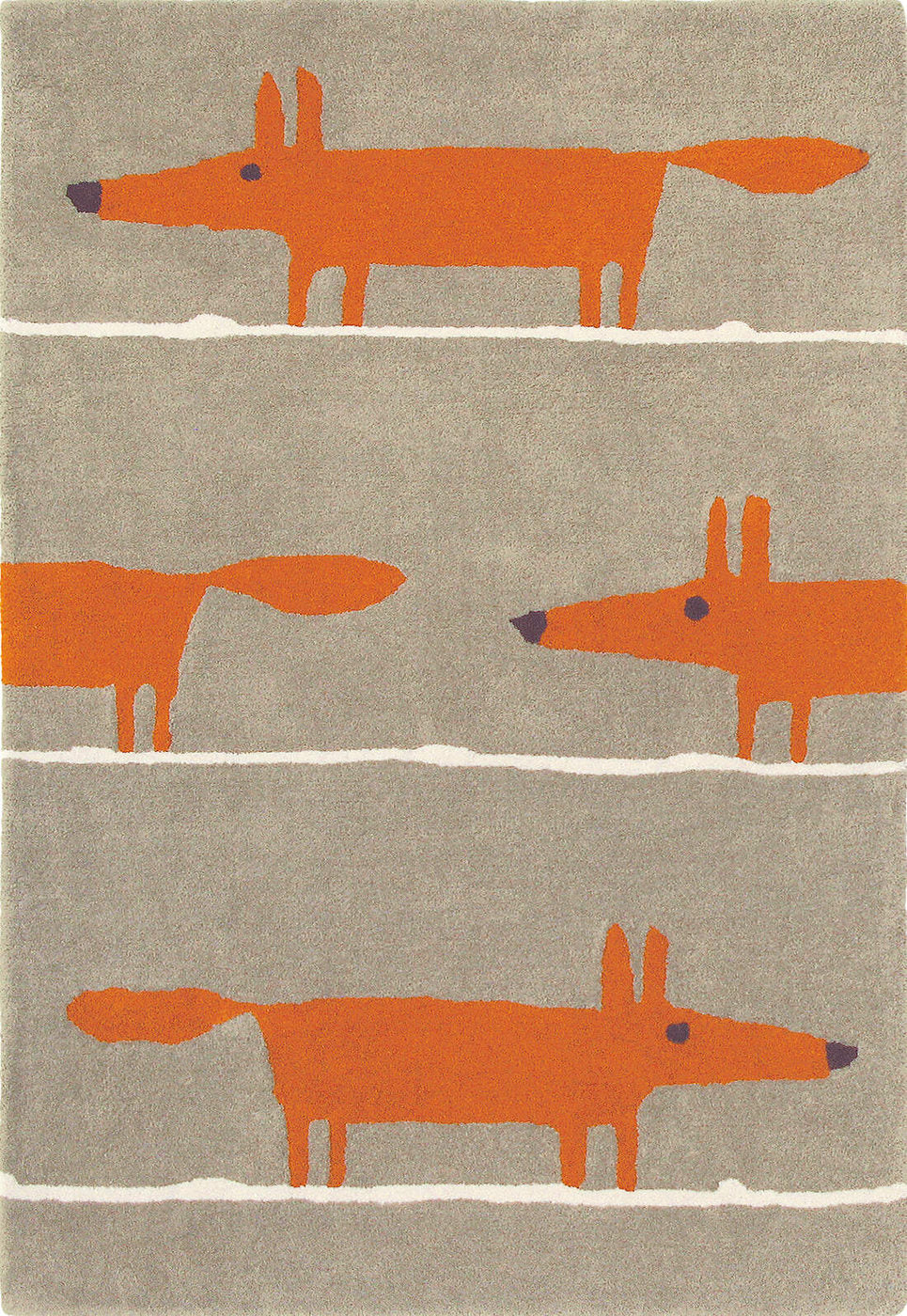
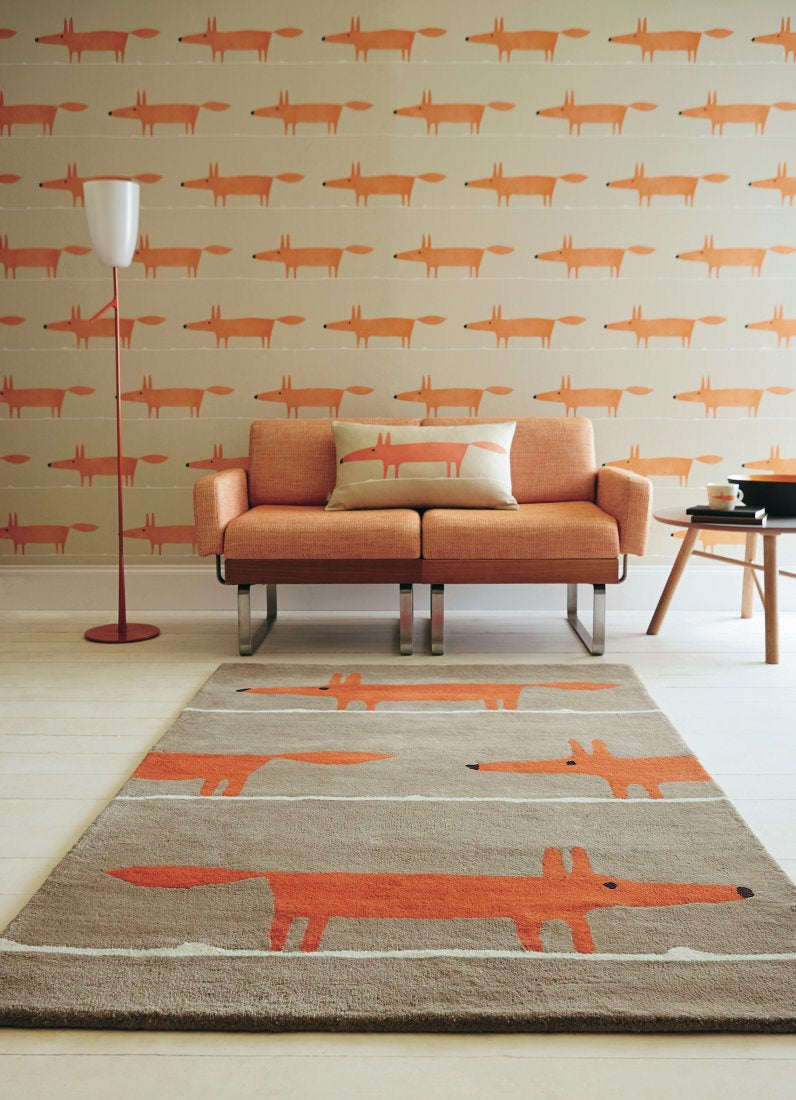
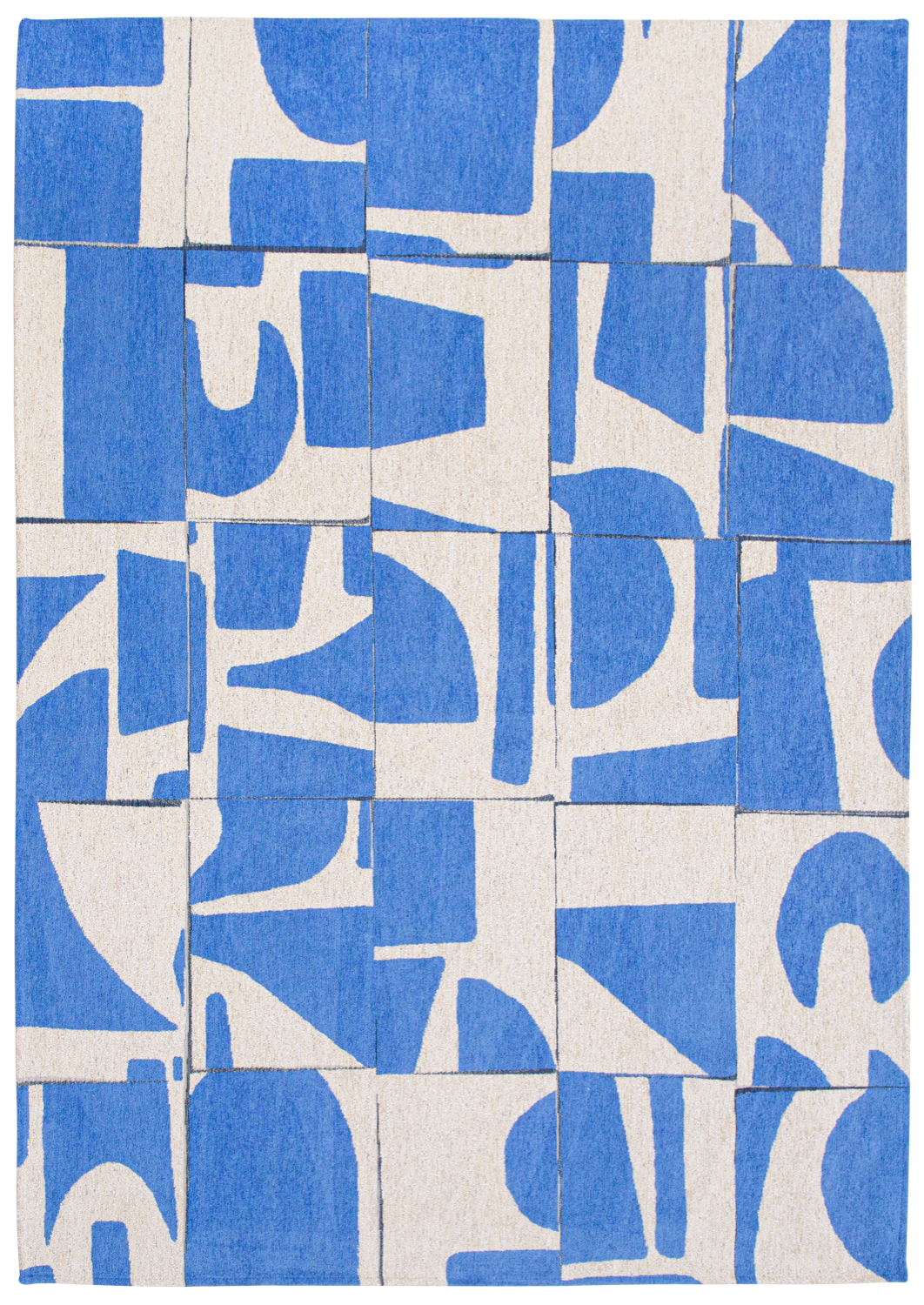
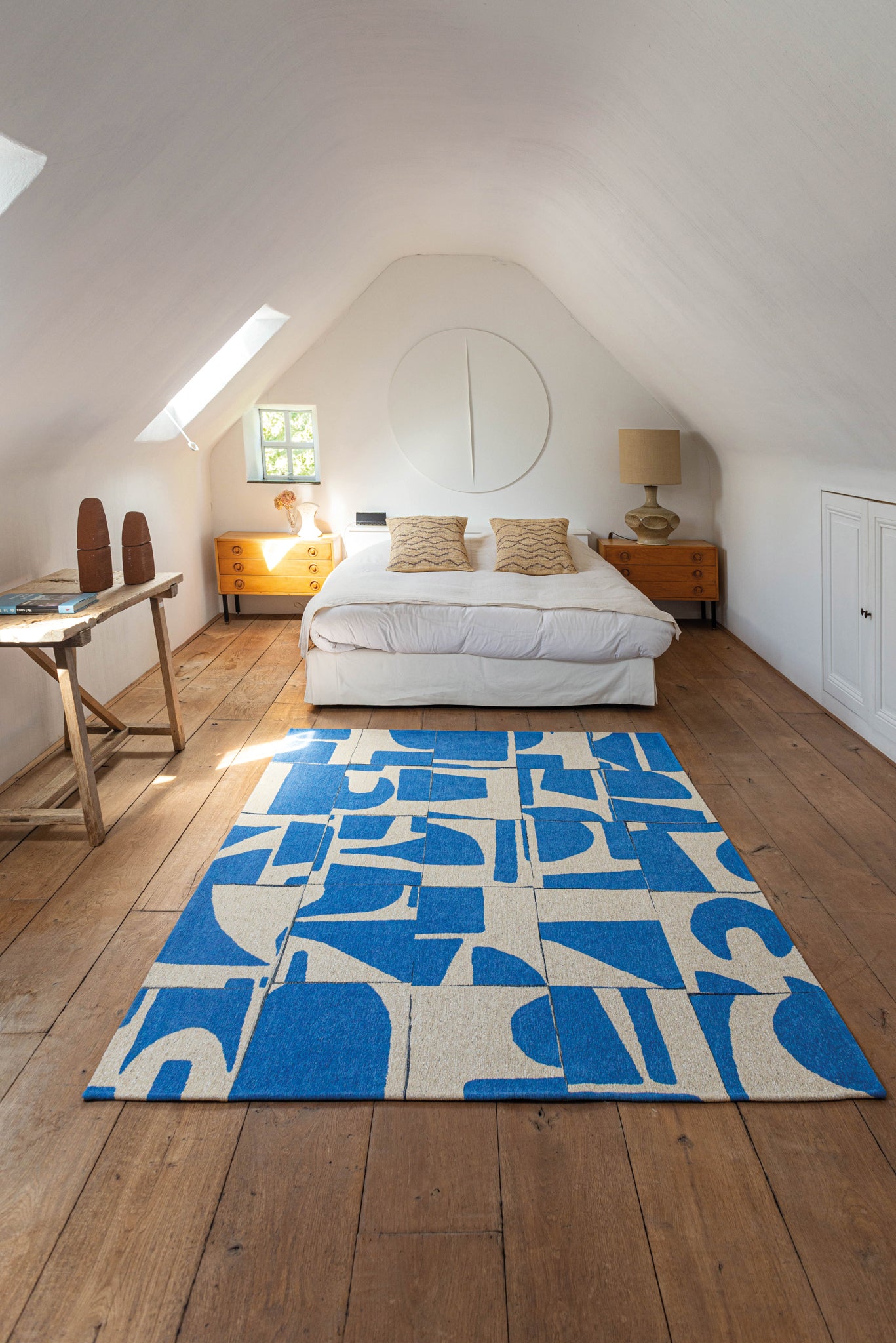
Abstract Rugs: Where Design Becomes Art
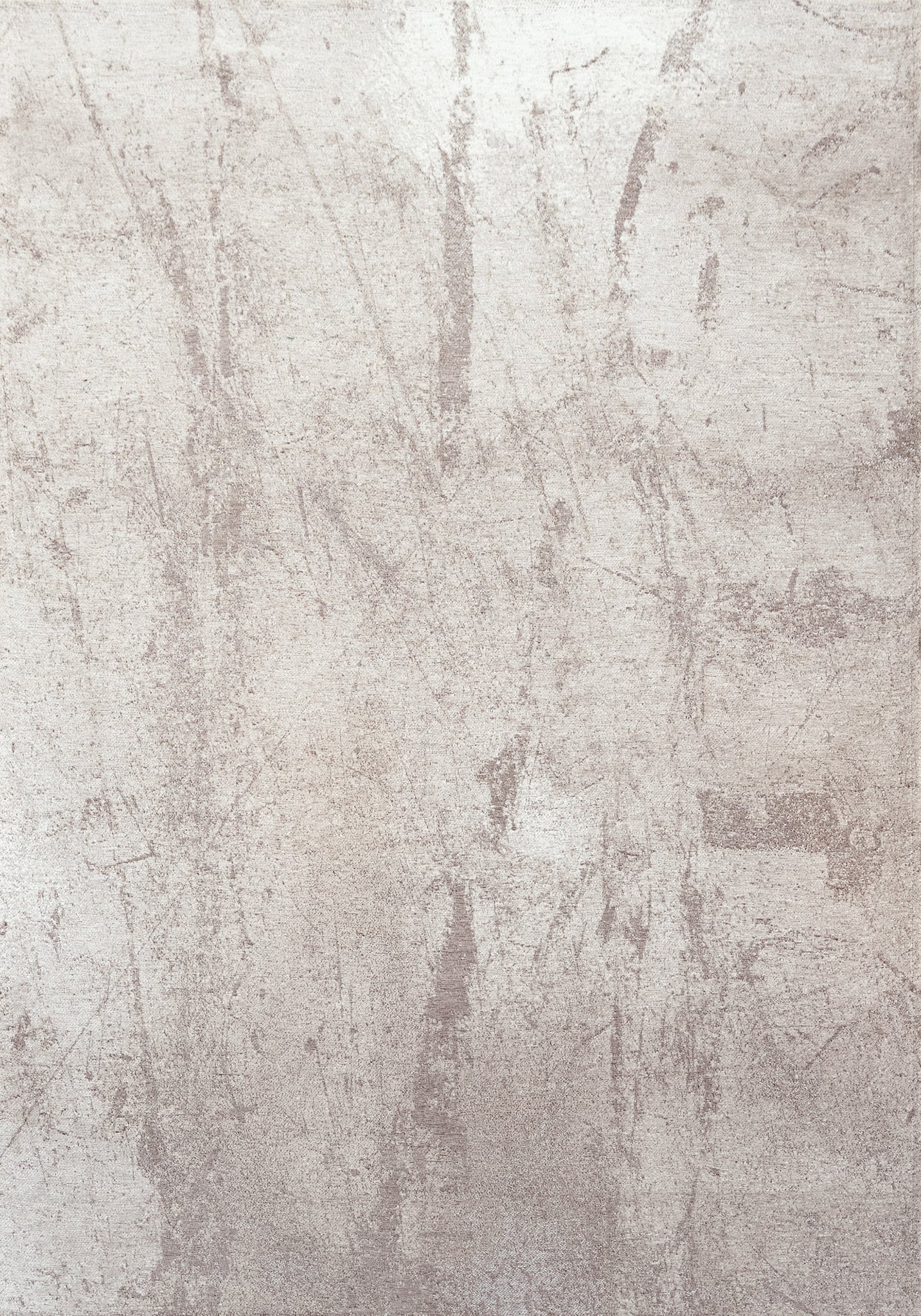
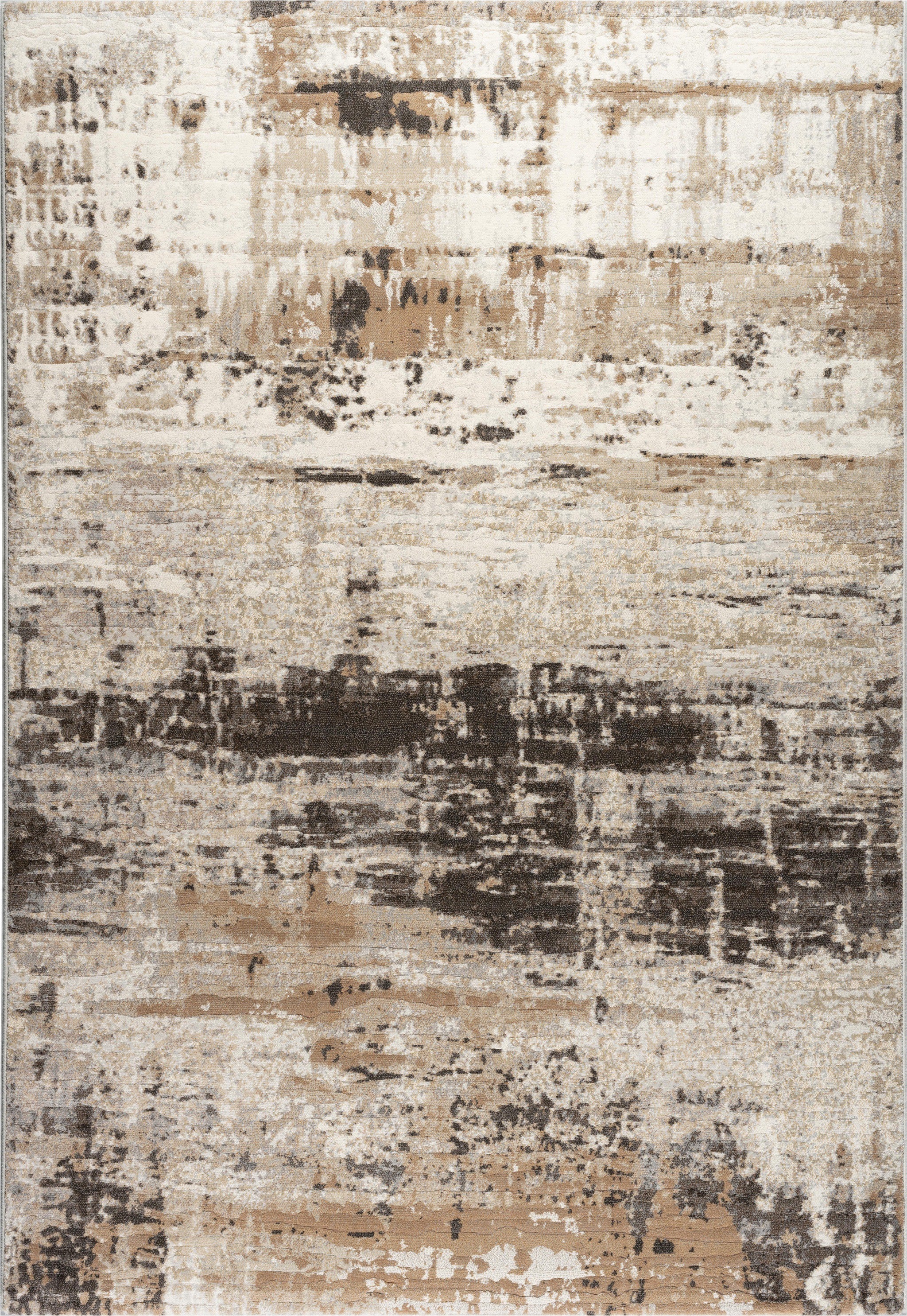
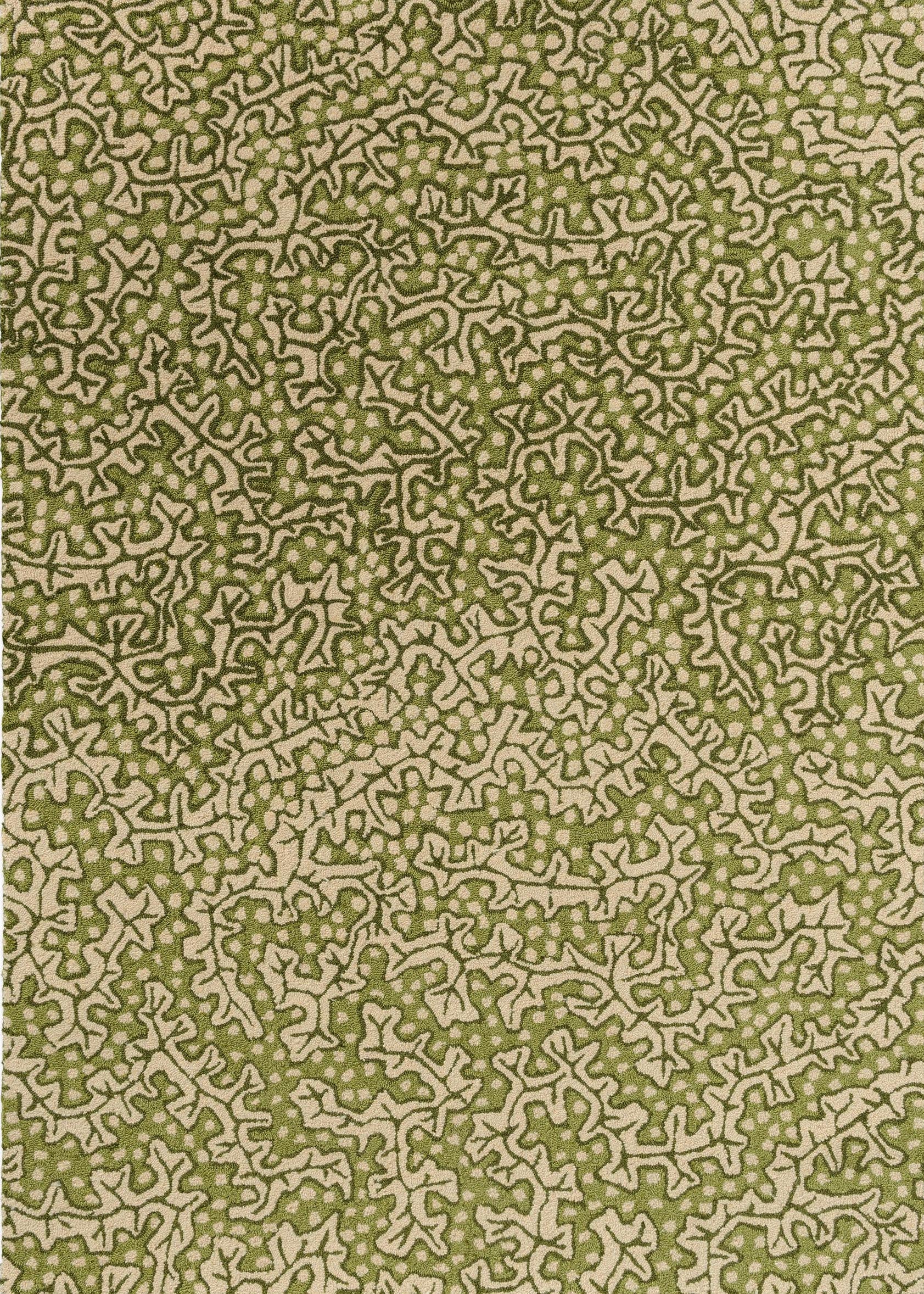
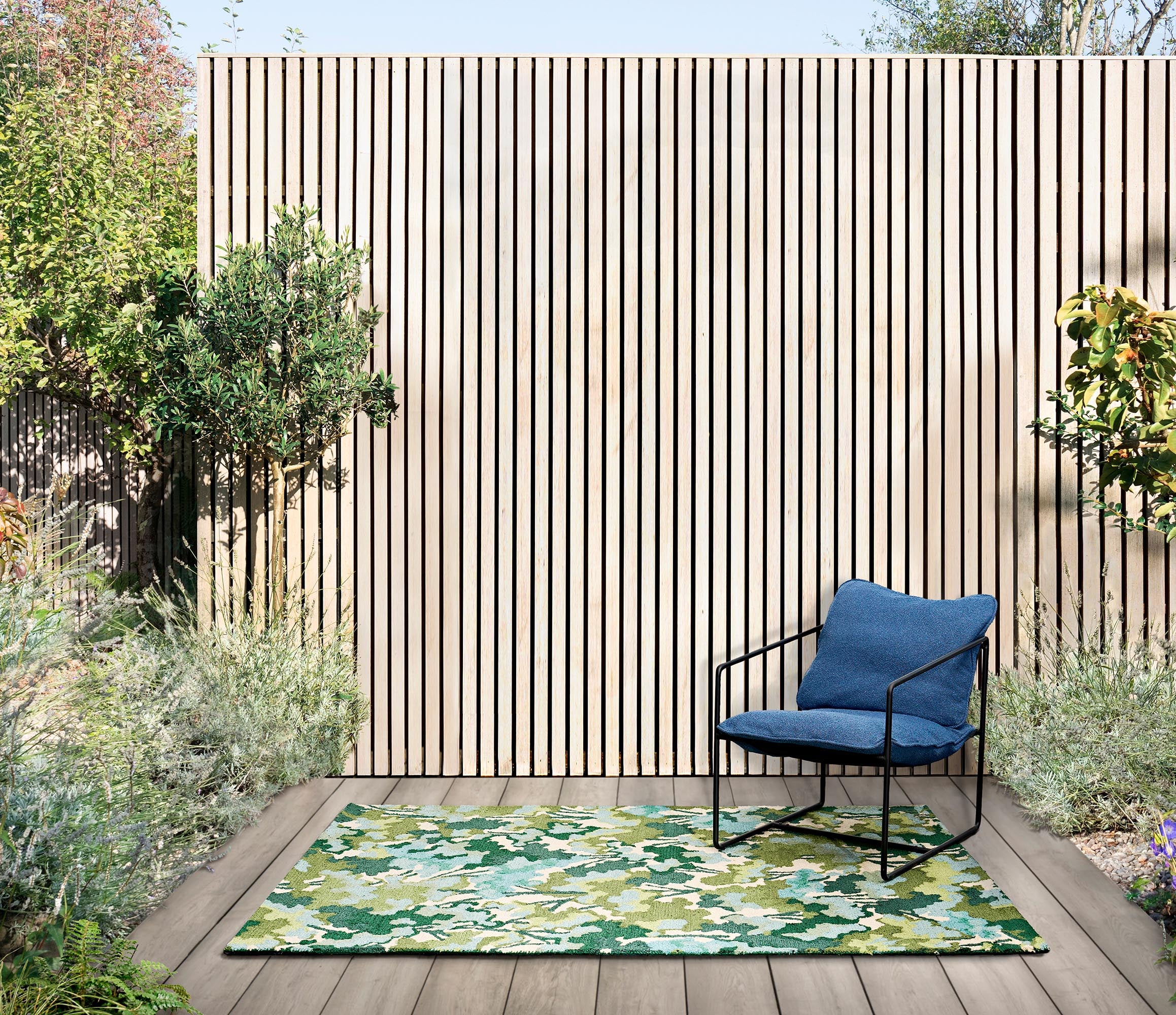
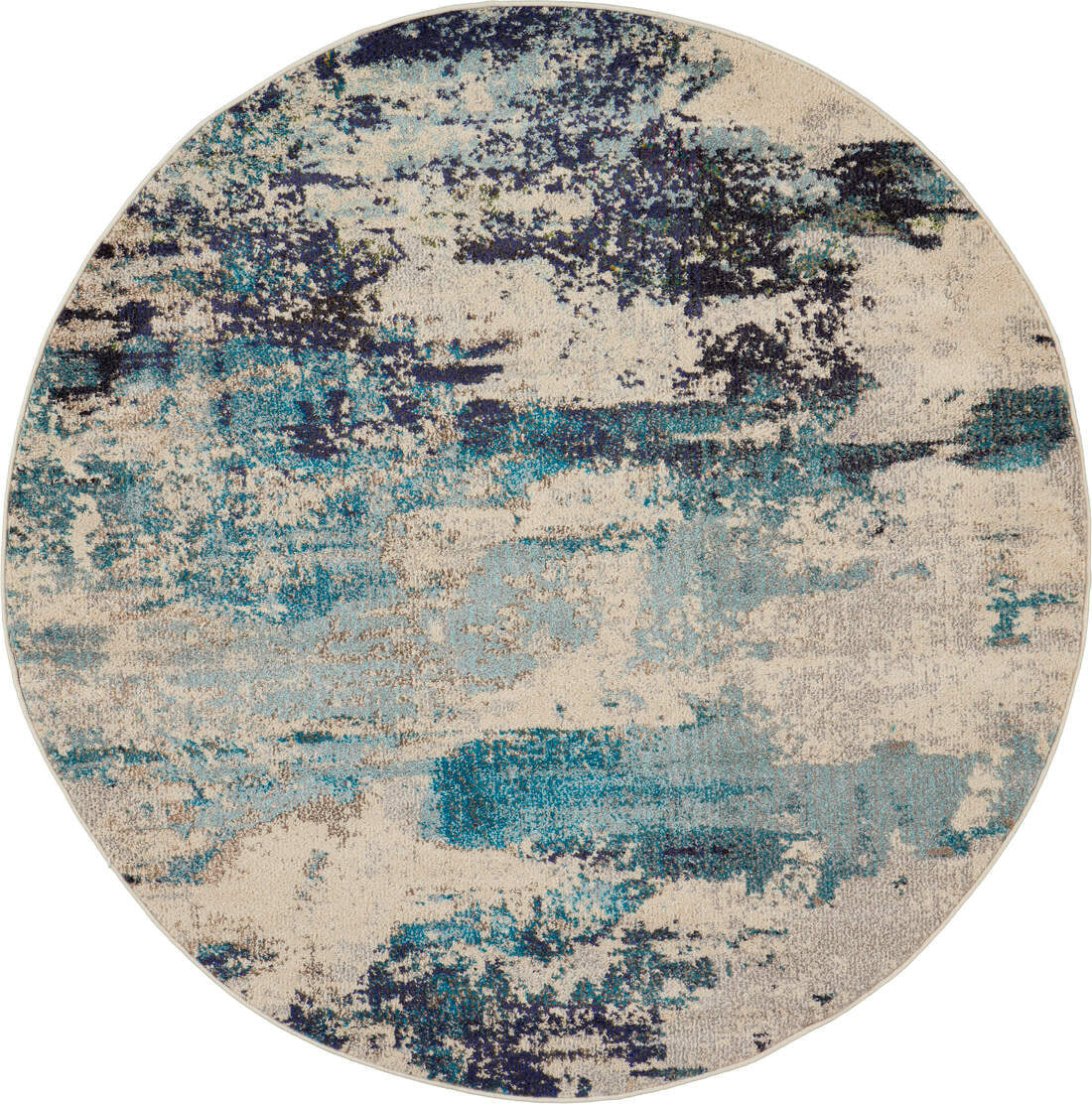
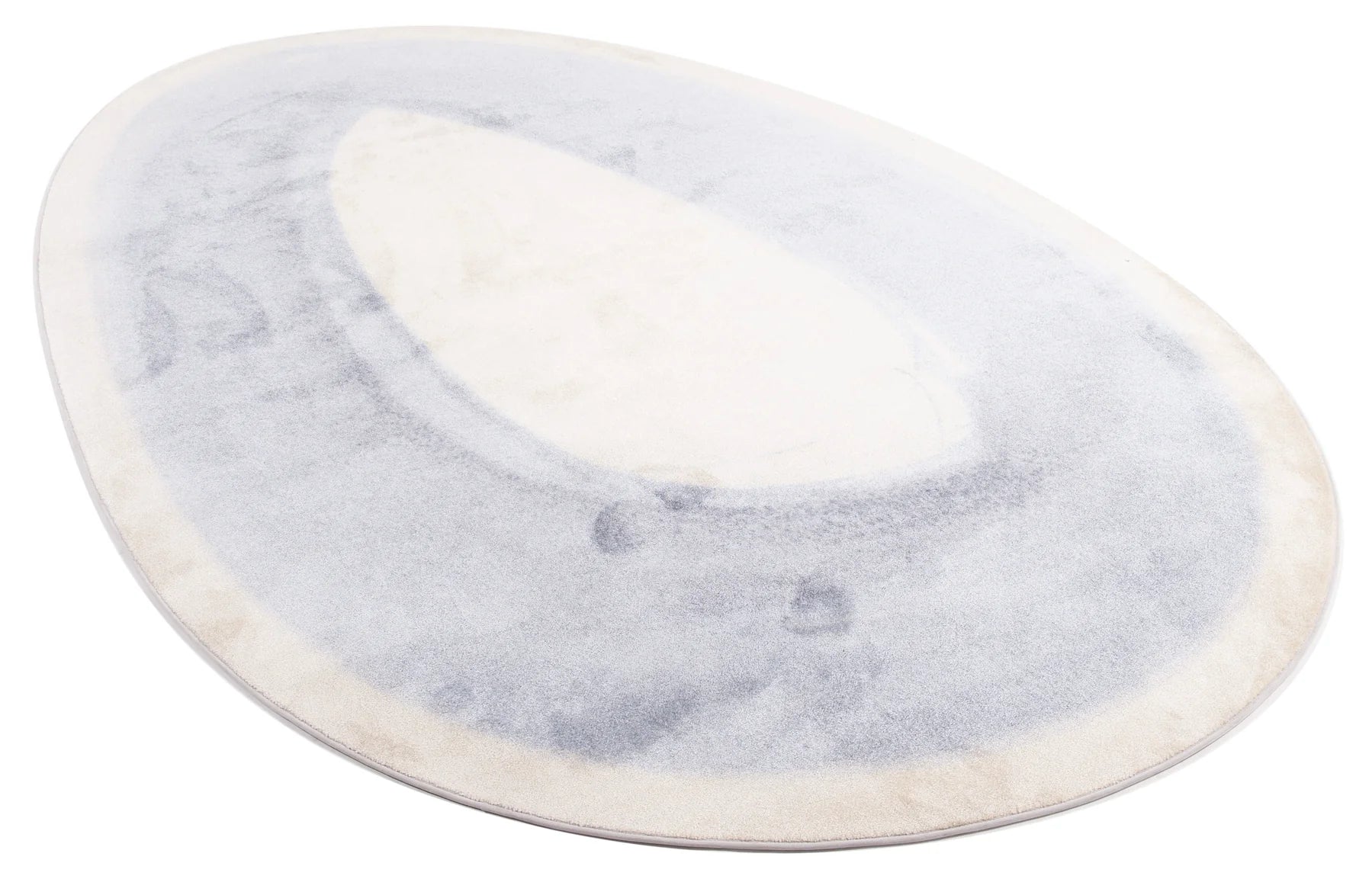
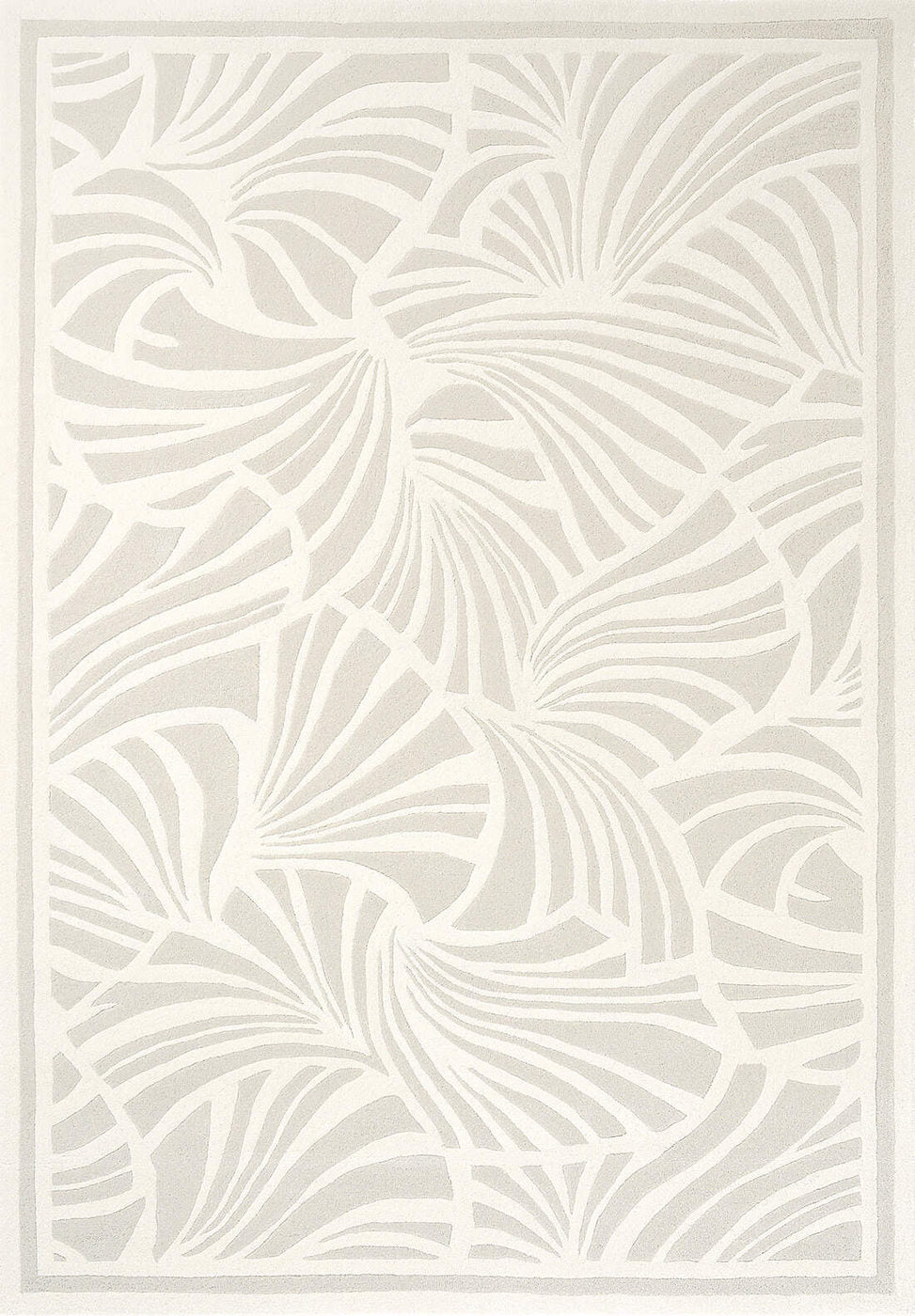
Abstract rugs occupy a space between pattern and texture, between statement and subtlety. They're not literal. They don't depict anything specific. Instead, they work through colour, form, and movement, creating visual interest without the rigidity of geometric patterns or the specificity of florals.
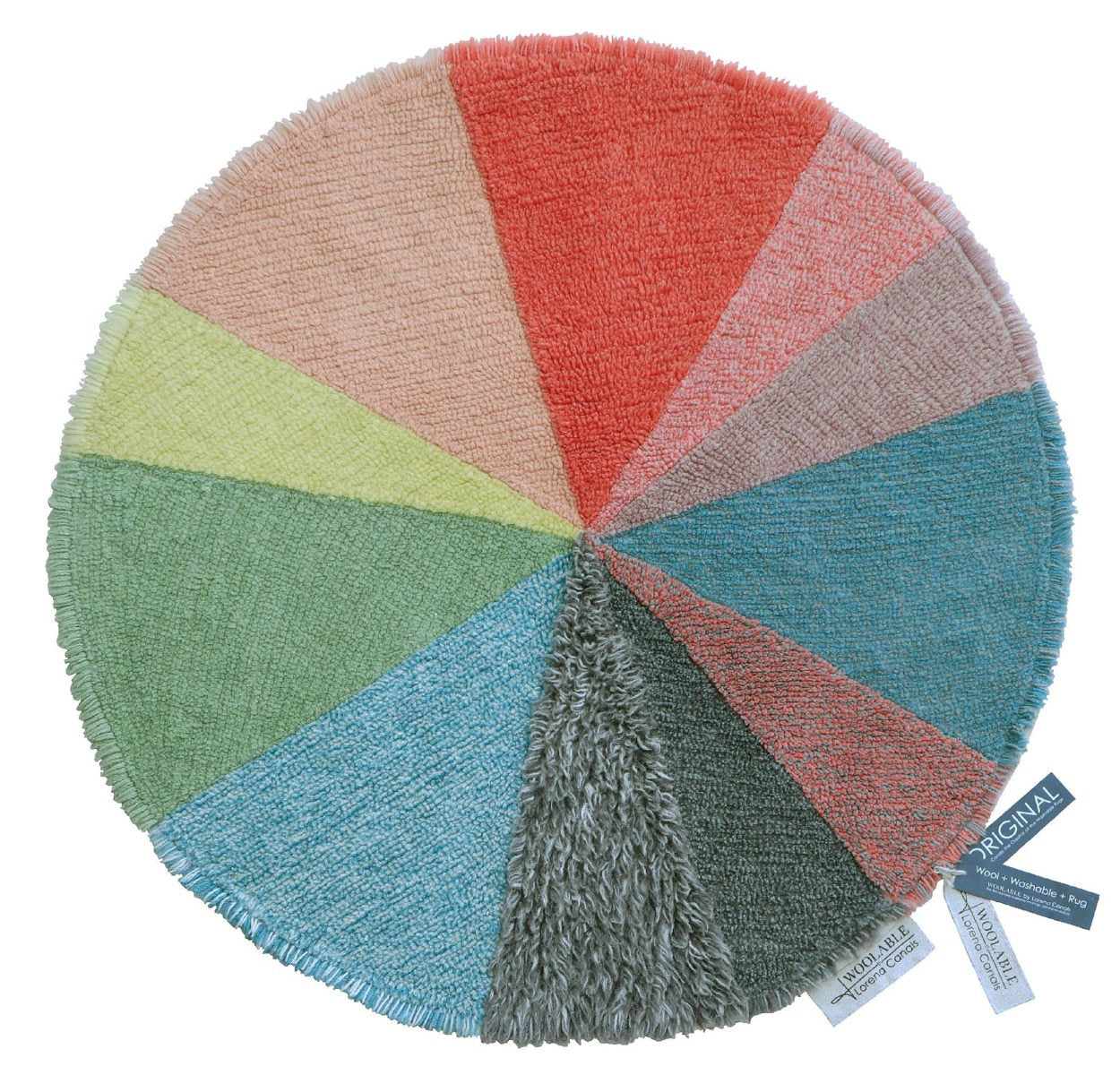
Our abstract rug collection features designs that range from soft, painterly gradients to bold, graphic compositions. Each rug has been chosen because it understands that abstraction, when done well, adds depth and personality to a room without overwhelming it. These are rugs for people who appreciate design as a form of expression.
What Defines an Abstract Rug
Abstract rugs work through suggestion rather than definition. Colours bleed into one another, creating ombré effects or tonal shifts. Forms appear organic, fluid, sometimes chaotic, but always intentional. The lack of symmetry or clear pattern means the eye moves across the rug rather than settling on a single focal point.
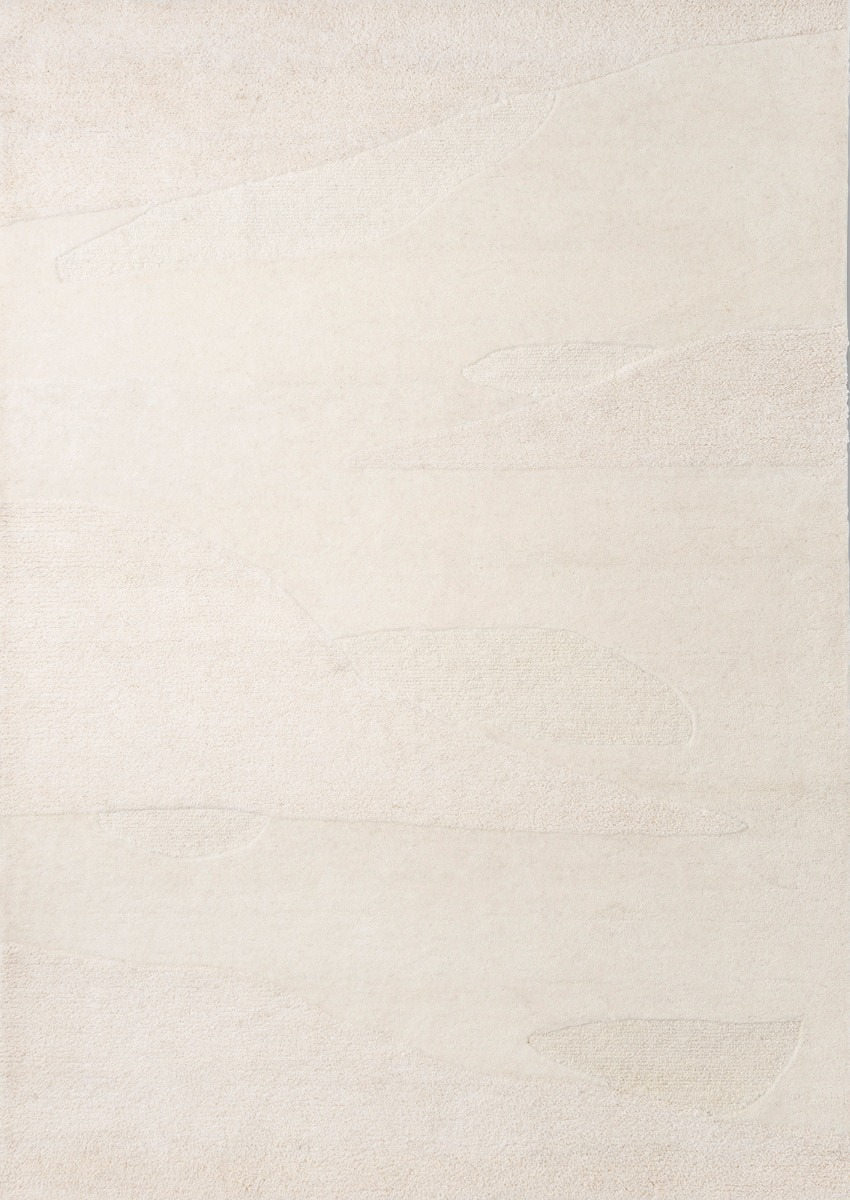
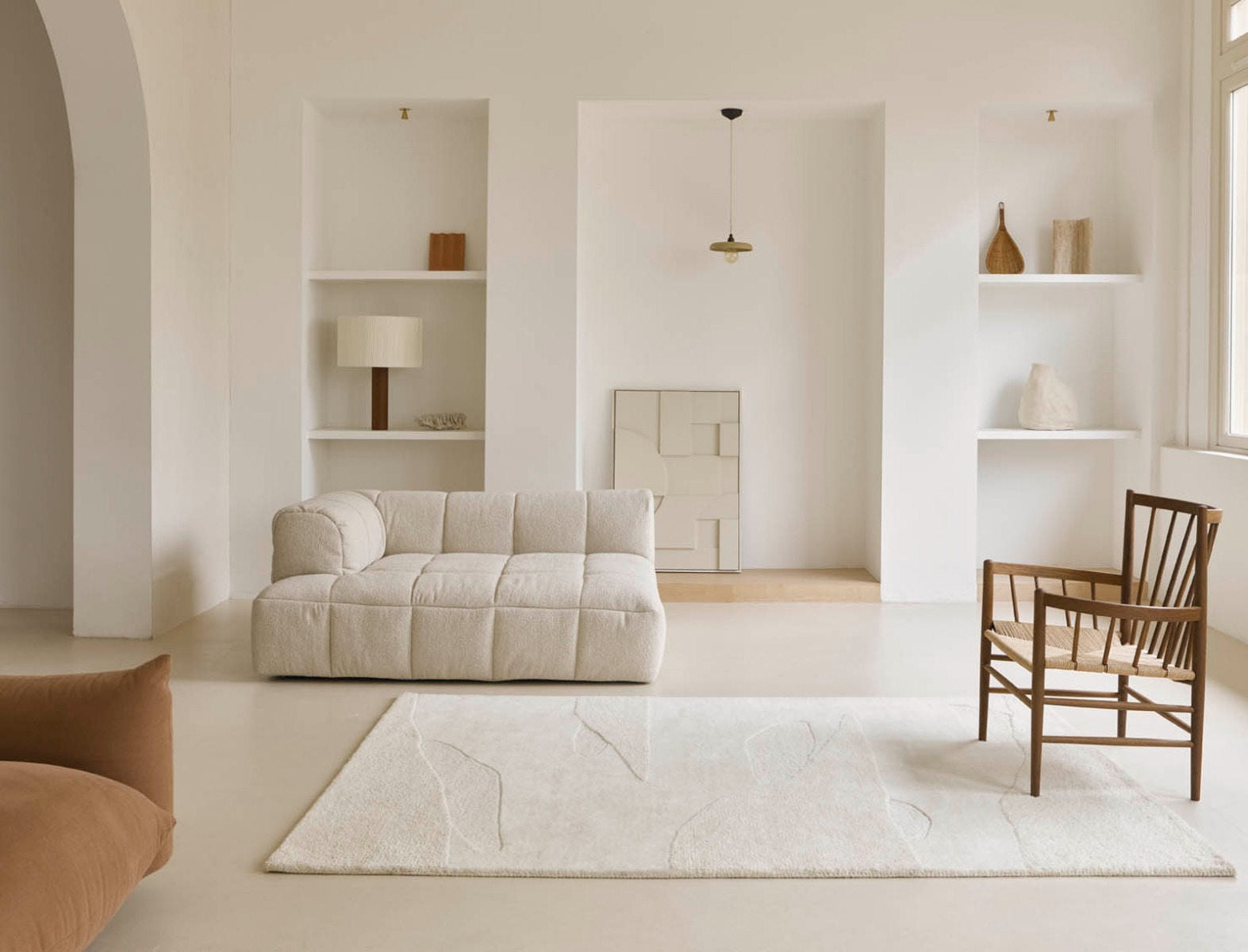
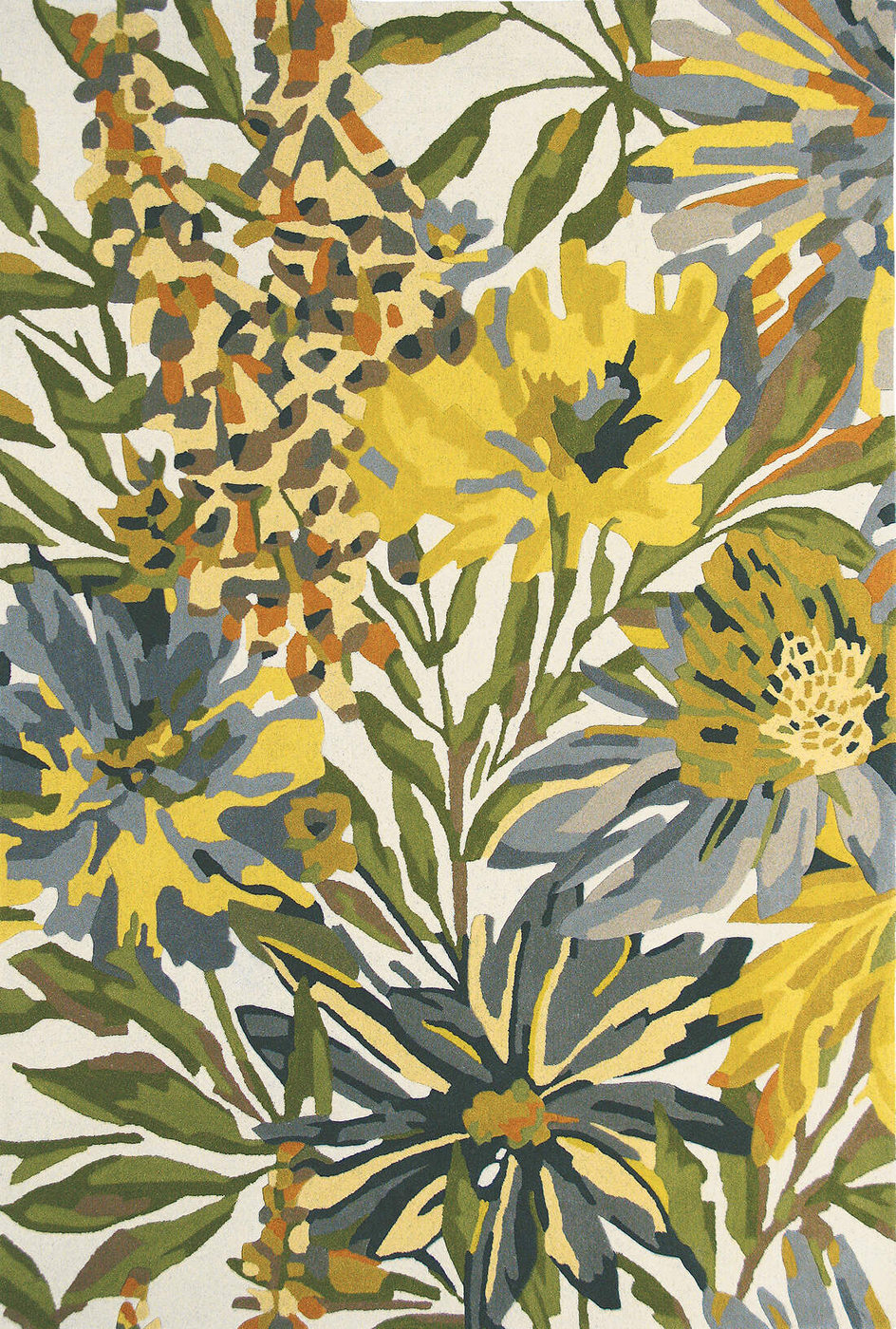
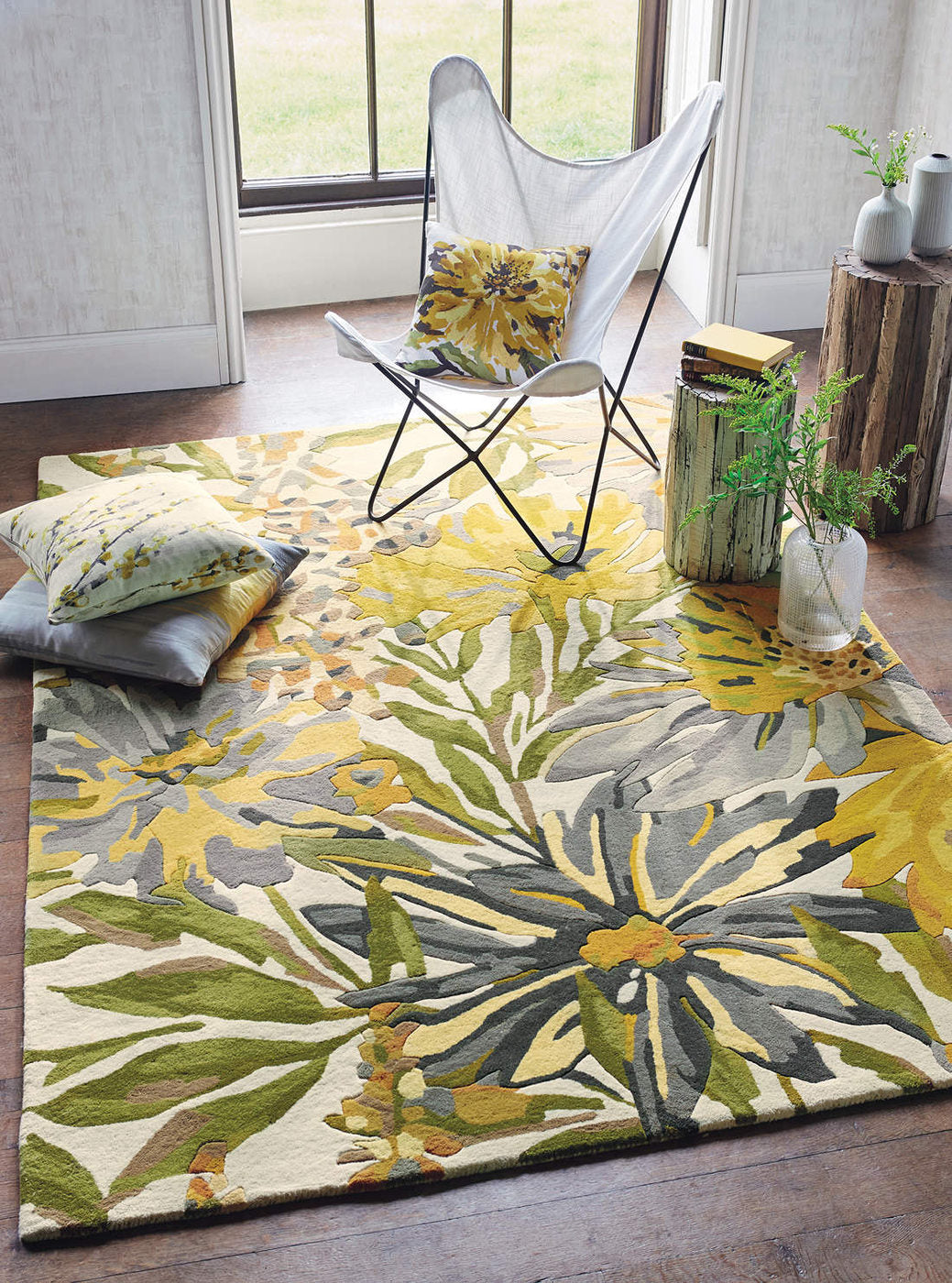
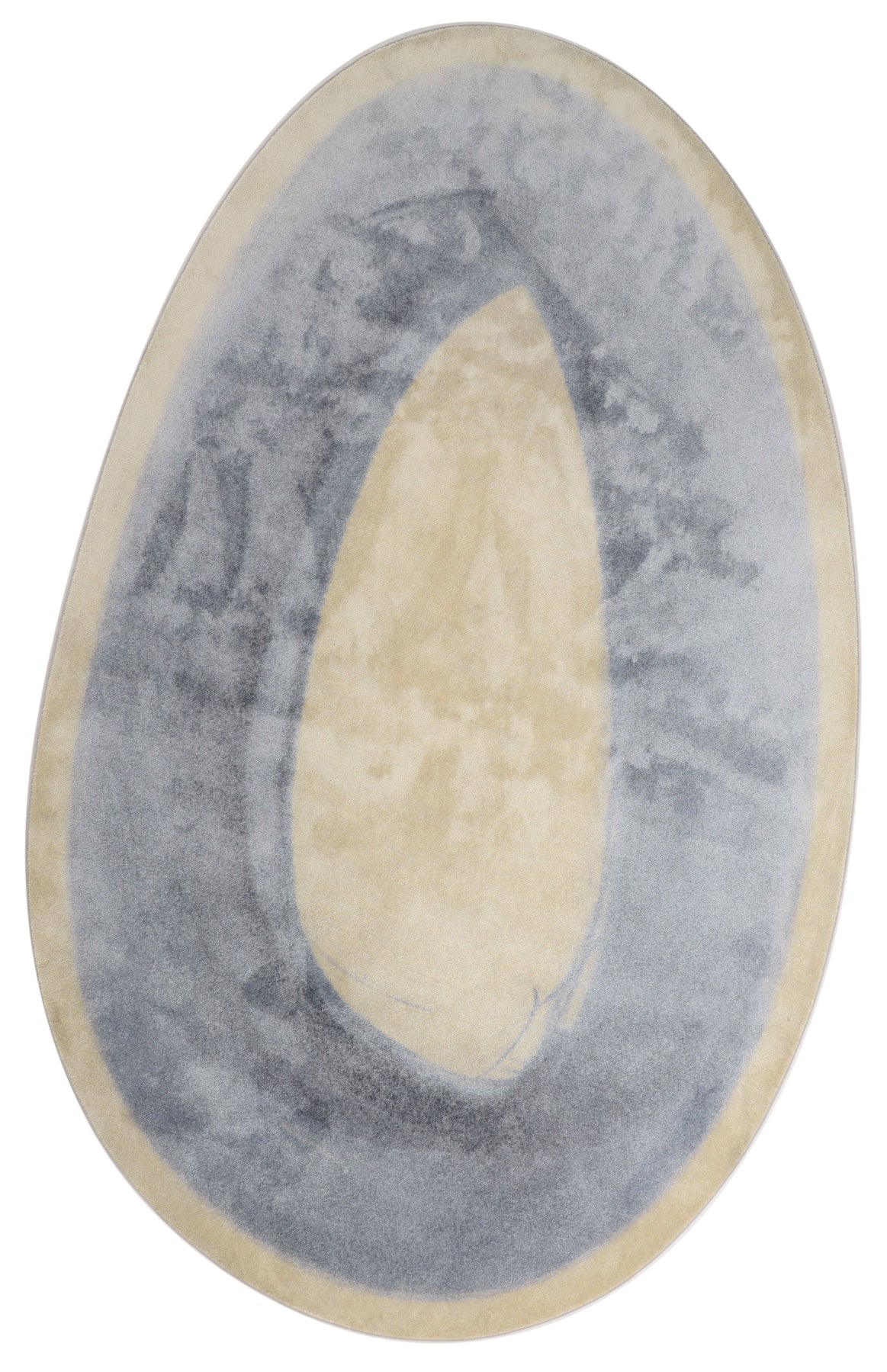
Some abstract rugs lean towards minimalism, with soft gradients in neutral tones that feel more like texture than pattern. Others are bolder, with high-contrast colours and dynamic compositions that make a clear statement. What unites them is a sense of movement and a refusal to be purely decorative background.
The best abstract rugs feel contemporary without being trendy. They reference mid-century modernism, abstract expressionism, and contemporary art, but they don't feel dated or overly referential. They're pieces that work now and will continue to work as your style evolves.
Where Abstract Rugs Work
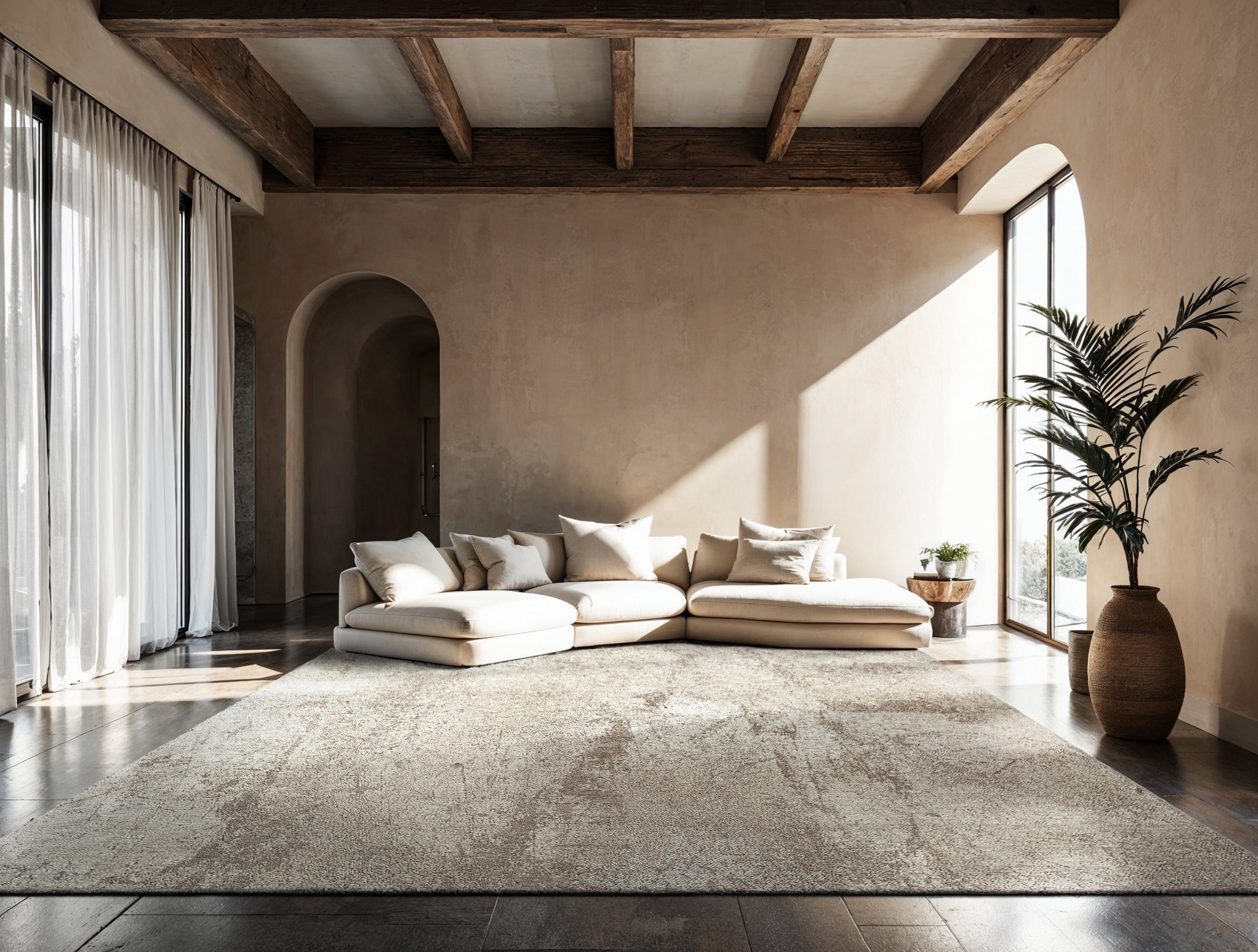
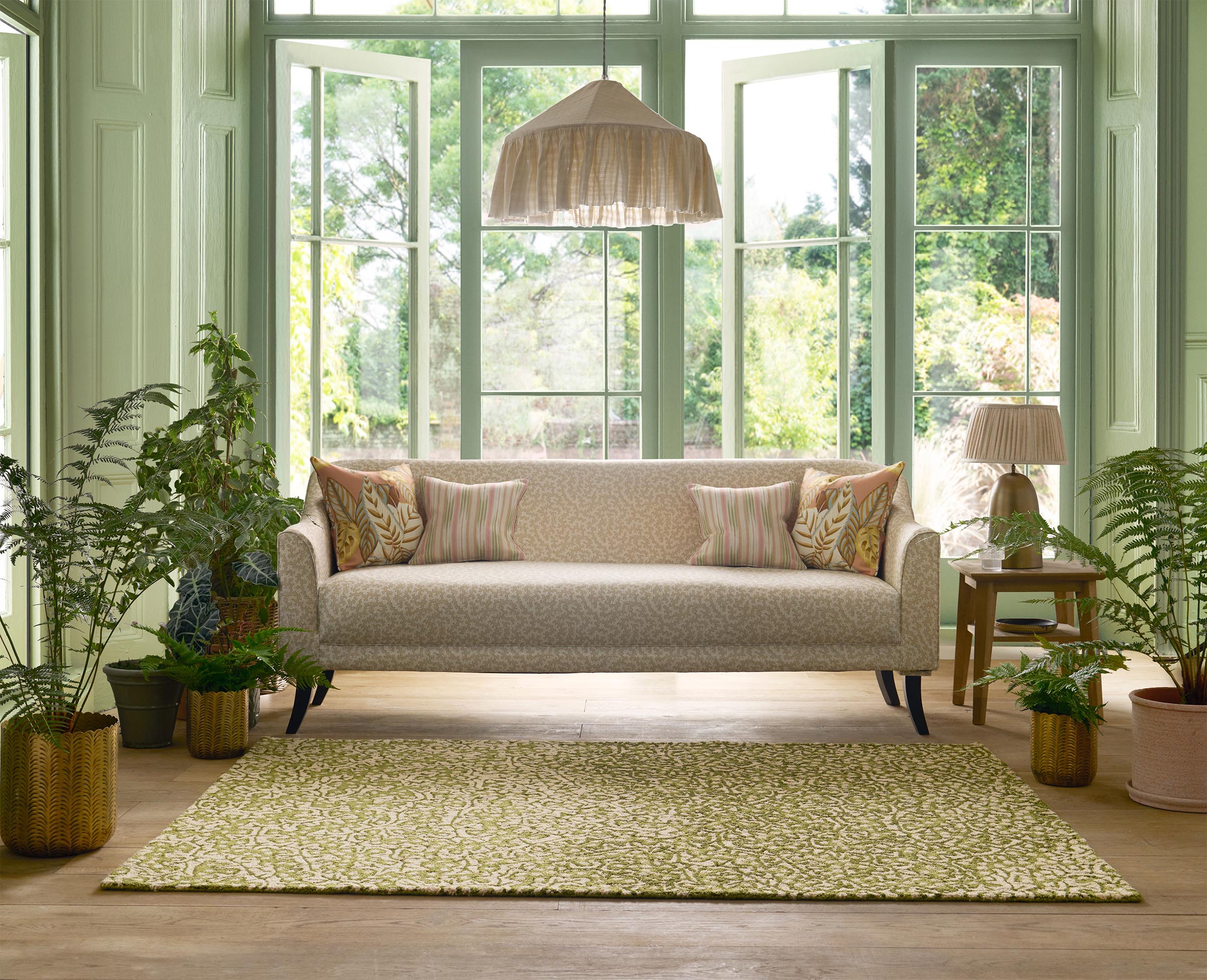
Living rooms are natural homes for abstract rugs. A rug beneath a sofa and coffee table introduces colour and visual interest without requiring bold furniture or patterned cushions. The rug does the work of adding personality, allowing everything else to remain simple and neutral.
Bedrooms can accommodate abstract rugs, particularly designs with softer, more muted palettes. A rug with gentle gradients or tonal shifts adds warmth and depth without disrupting rest. The key is choosing a design where the colours are balanced and the composition feels calm rather than chaotic.
Dining rooms benefit from abstract rugs that bring visual interest without competing with the table and chairs. A rug with a defined composition and balanced colours grounds the space and adds sophistication. The abstract nature of the design means it won't clash with existing furniture or accessories.
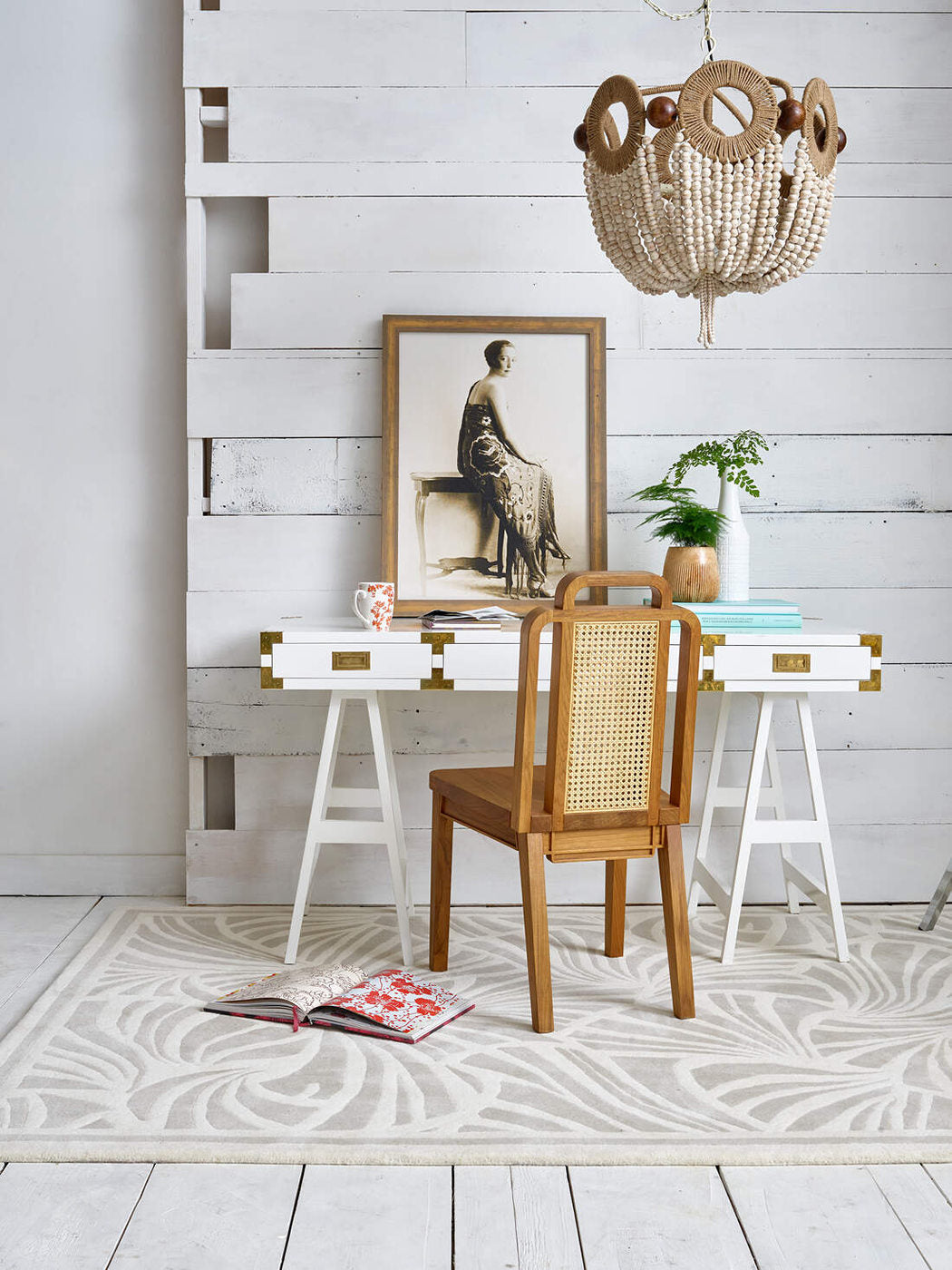
Studies and creative spaces suit abstract rugs particularly well. The sense of movement and artistic reference can make a workspace feel more inspiring without being distracting. A well-chosen abstract rug adds energy and personality to rooms where you need to think and create.
Styling Abstract Rugs
The most effective approach is restraint elsewhere. When the rug introduces colour and pattern, furniture and accessories should remain neutral. Simple lines, solid tones, minimal clutter. This lets the rug become the focal point without the room feeling chaotic.
Accent colours can be pulled from the rug into smaller elements like cushions or artwork, but sparingly. A single complementary tone creates cohesion. Multiple accents risk overwhelming the space.
Abstract rugs work particularly well in modern and contemporary interiors where the aesthetic leans towards simplicity and restraint. They add warmth and personality to spaces that might otherwise feel too minimal or cold. If you're drawn to geometric rugs but want something less structured, abstract designs offer a softer, more organic alternative.
Material and Texture in Abstract Rugs
Wool is the most common material for abstract rugs. It holds dye well, so colours appear rich and saturated, and it's durable enough for high-traffic areas. A wool abstract rug works in living rooms, dining rooms, and studies where the rug needs to withstand daily use.
Viscose brings a silk-like sheen that makes colours appear more vibrant and dimensional. The sheen catches light, creating depth and visual interest. However, viscose is less durable than wool, so it's best suited to low-traffic areas like bedrooms or studies where aesthetics are the priority.
Cotton flatweaves offer a more casual, relaxed feel. They're easy to clean and suit spaces where you want colour and pattern without the bulk of a high-pile rug. Flatweaves also work well in modern interiors where clean lines and simplicity are priorities.
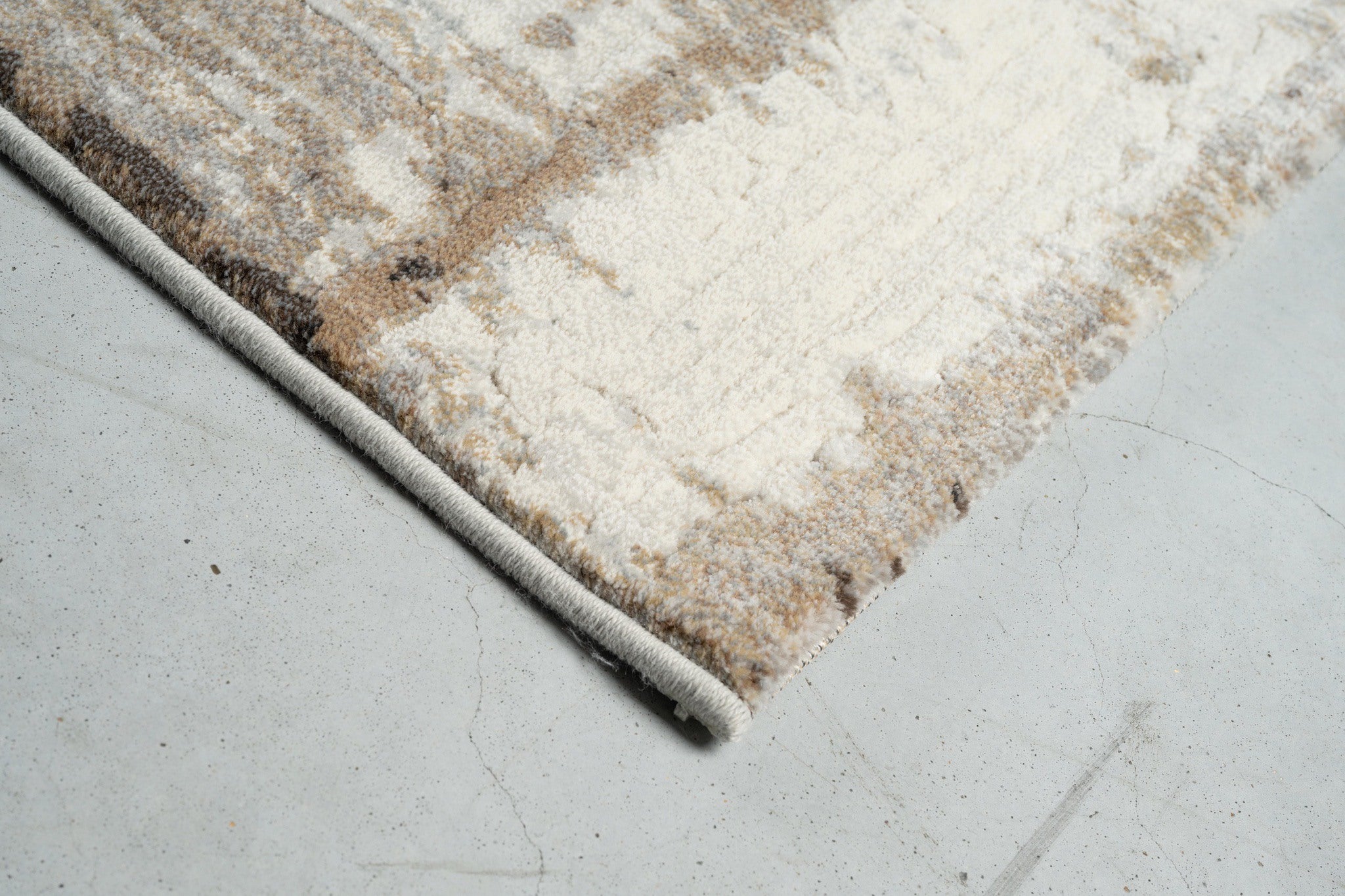
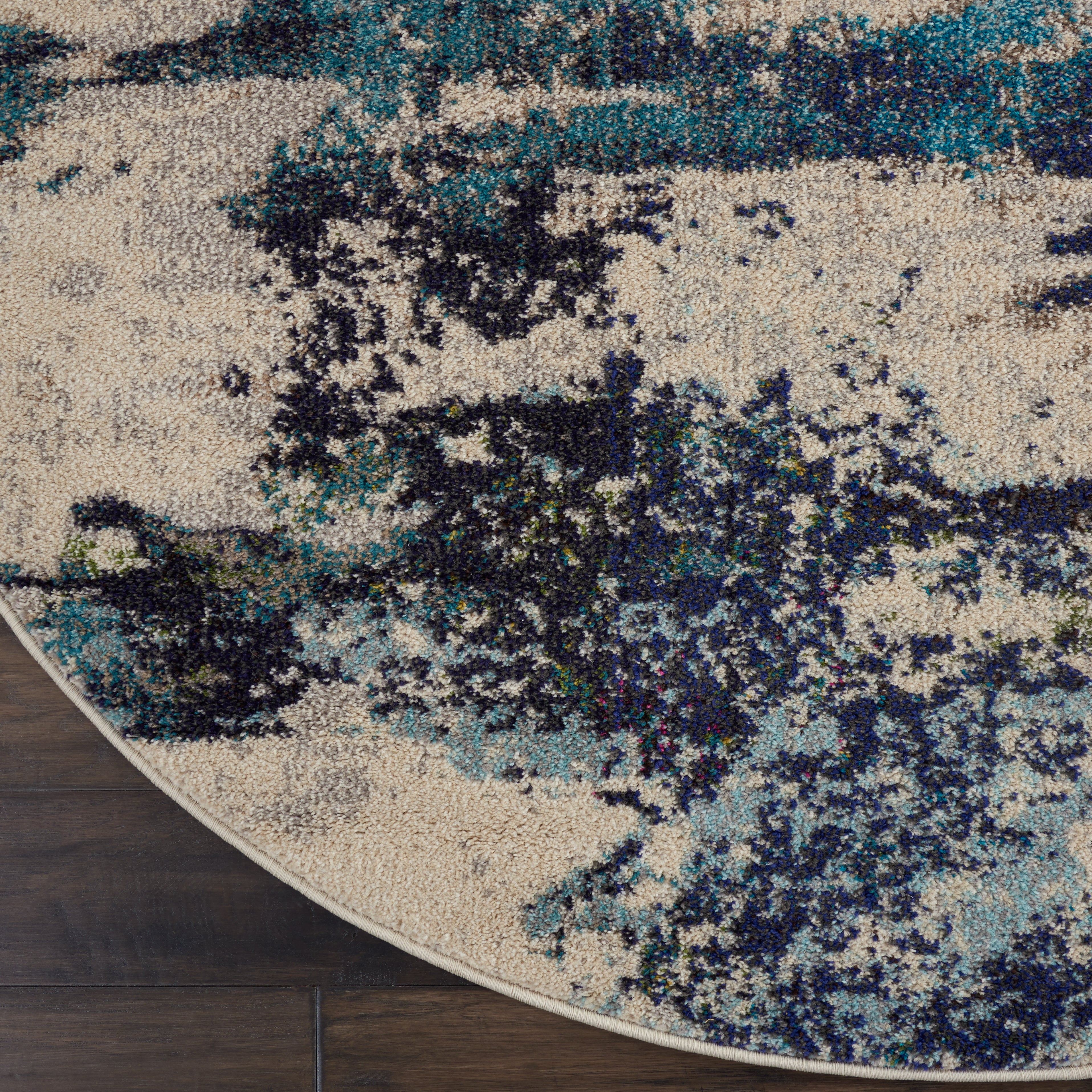
High-pile and textured abstract rugs add warmth and tactility, perfect for creating a cosy atmosphere in minimalist living rooms or bedrooms. The texture adds dimension, making the rug feel substantial without overwhelming the space.
Practical Considerations
Abstract rugs, particularly those with multiple colours and tonal shifts, are forgiving when it comes to stains and wear. The variety of tones means that minor marks or fading are less noticeable than they would be on a solid-coloured rug. This makes them practical for high-traffic areas or homes with children and pets.
Vacuum weekly to maintain colour vibrancy. Blot spills immediately rather than rubbing. For wool rugs, professional cleaning once a year preserves the integrity of the fibres and keeps colours looking fresh. Cotton flatweaves can be spot-treated with mild soap and water.
Rug pads prevent slipping and protect flooring, particularly important on hard surfaces where abstract rugs might shift underfoot.
Choosing Your Abstract Rug
Consider what already exists in your space. Neutral rooms benefit from abstract rugs that introduce colour and movement. Rooms with existing colour need rugs where tones complement rather than compete.
Think about atmosphere. Soft, muted abstracts create calm. Bold, high-contrast designs bring energy. The composition affects how the room feels, so match the rug to the mood you want to establish.
Explore the collection and see what resonates. Sometimes the right rug is the one that surprises you rather than the one you thought you wanted.