
Collection: Bedroom Rugs
Softness, warmth, and the comfort of retreat






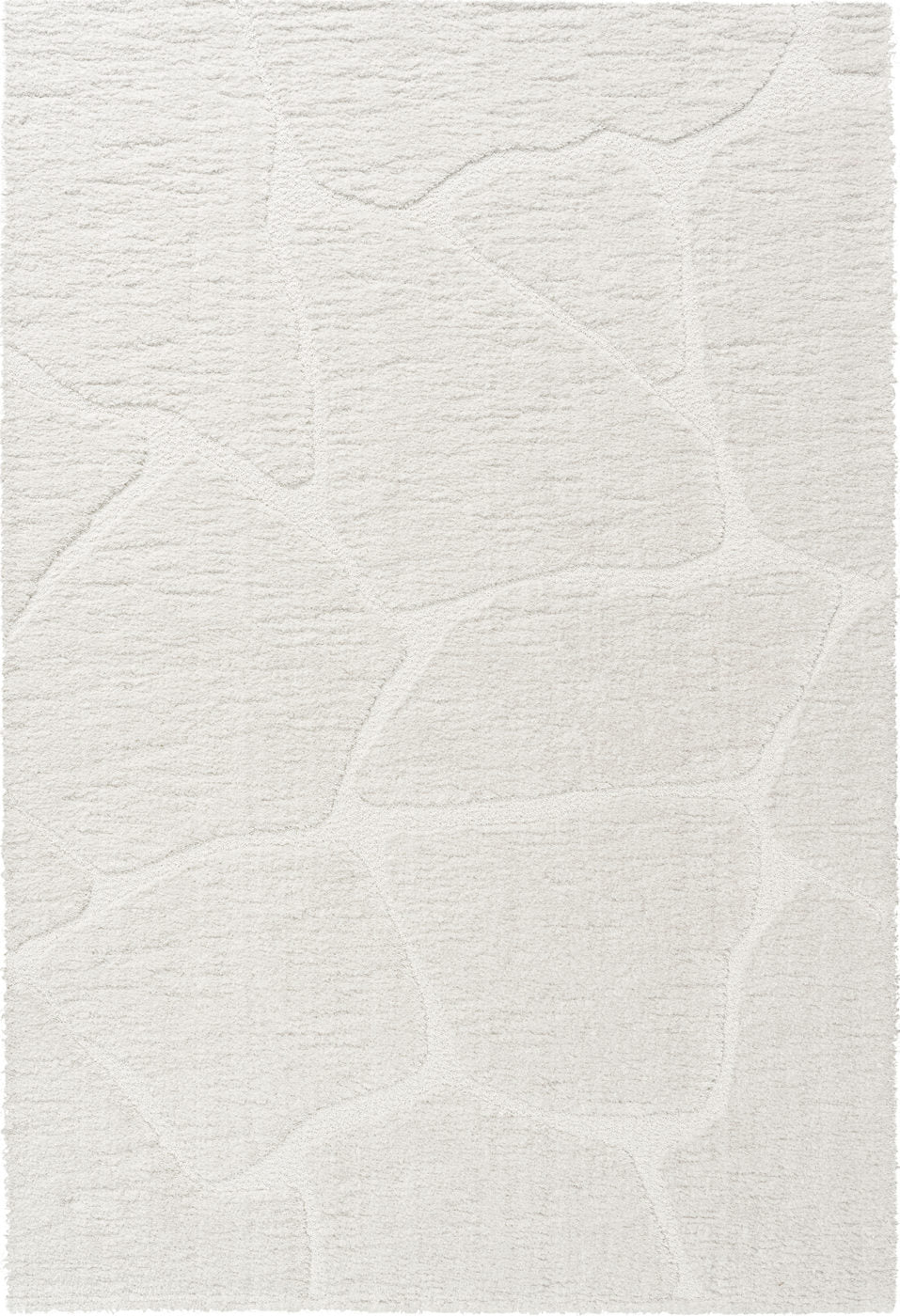



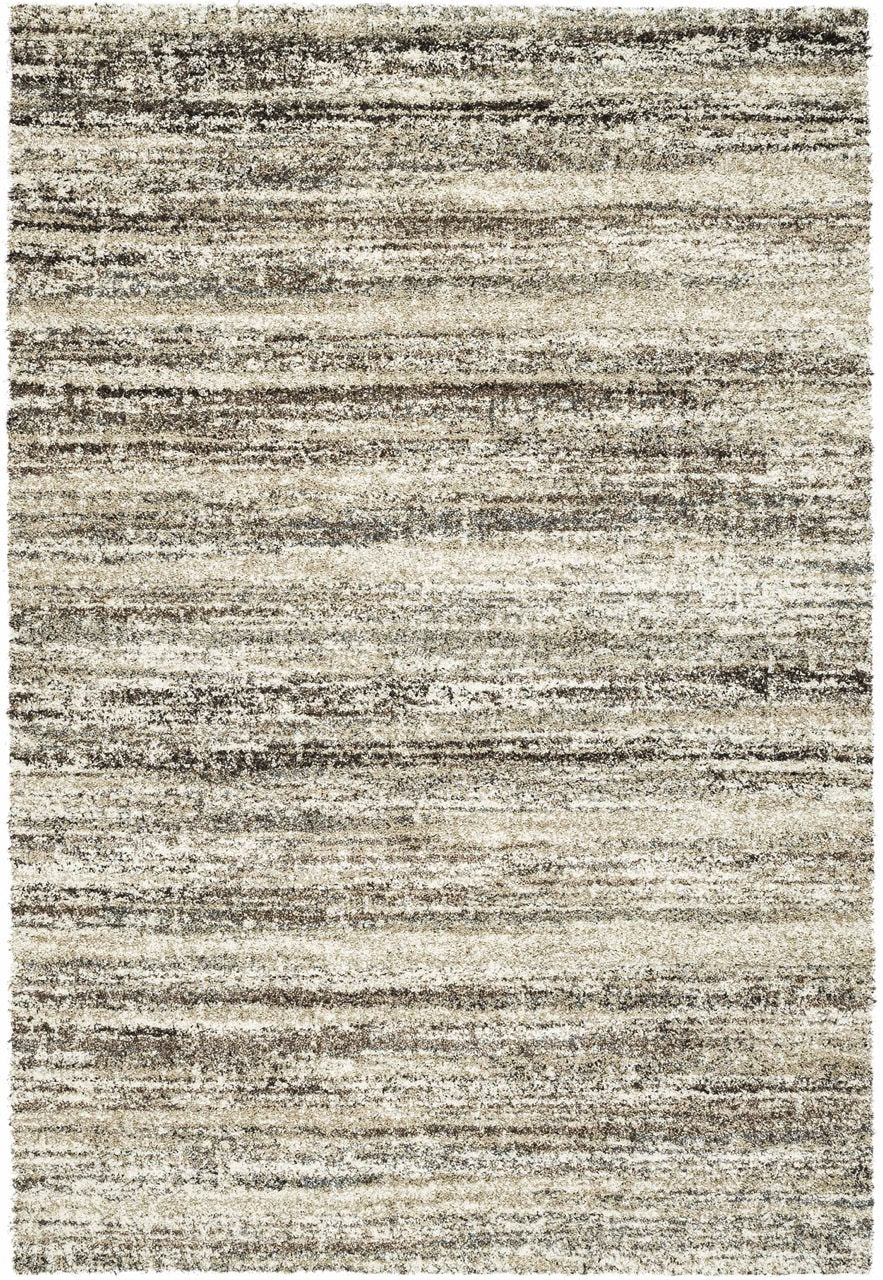
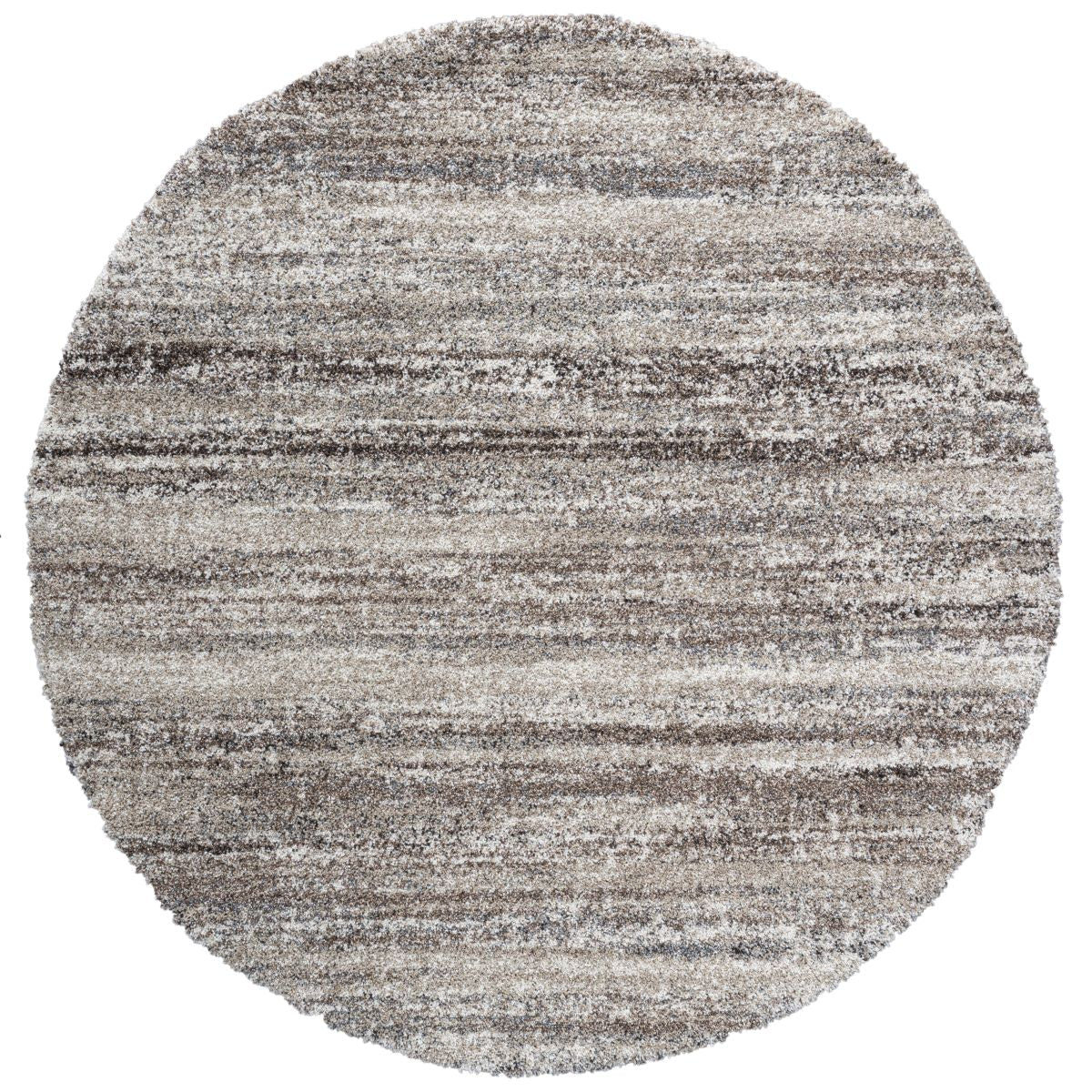
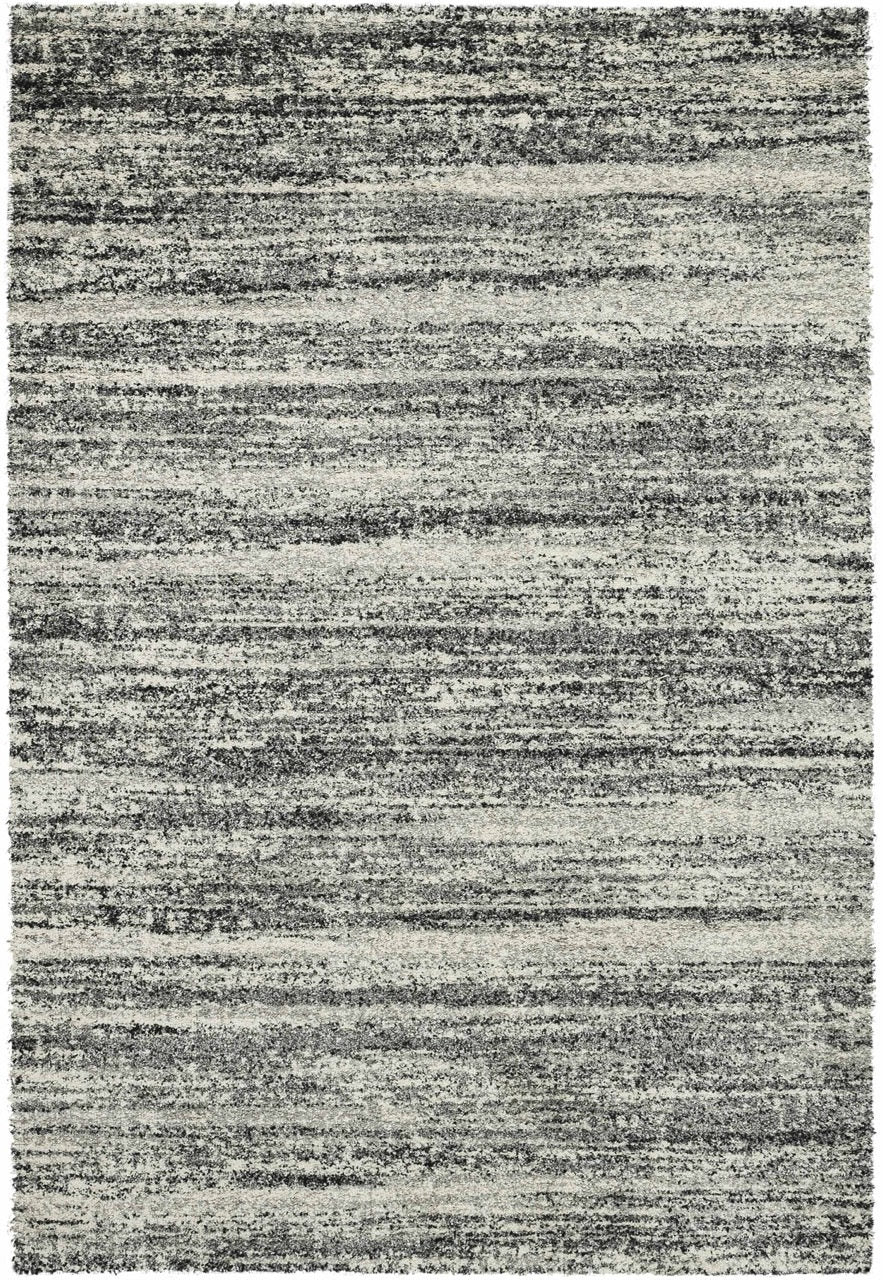








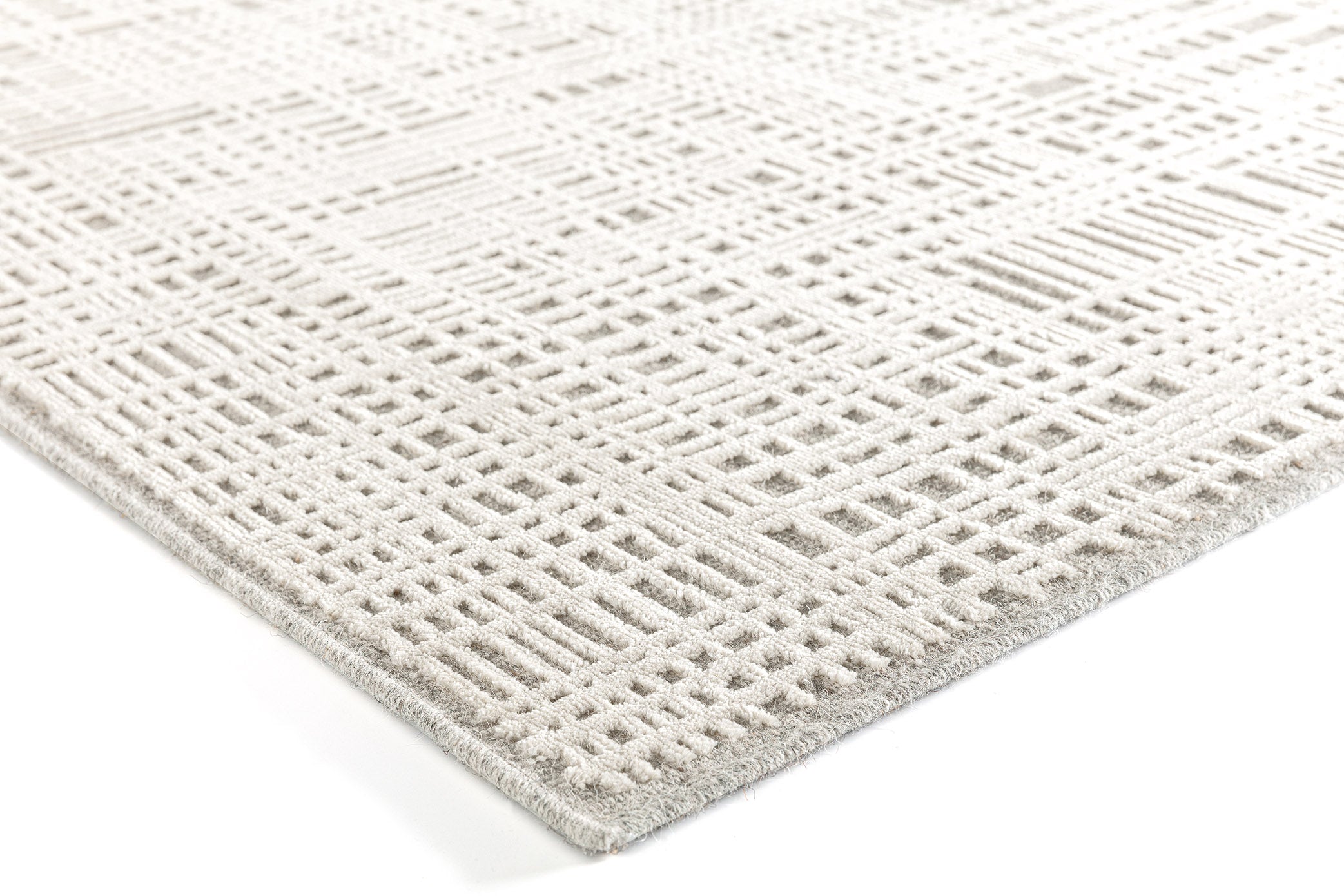
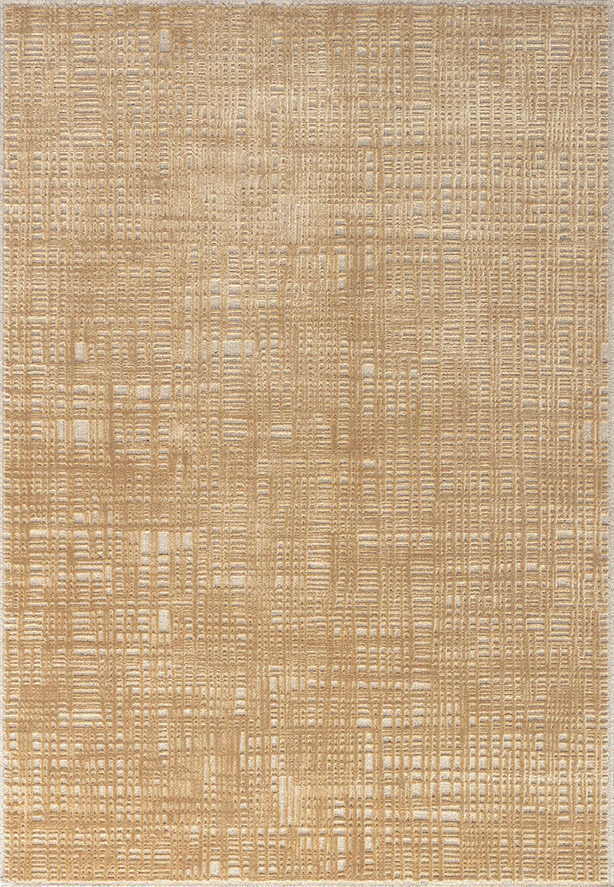
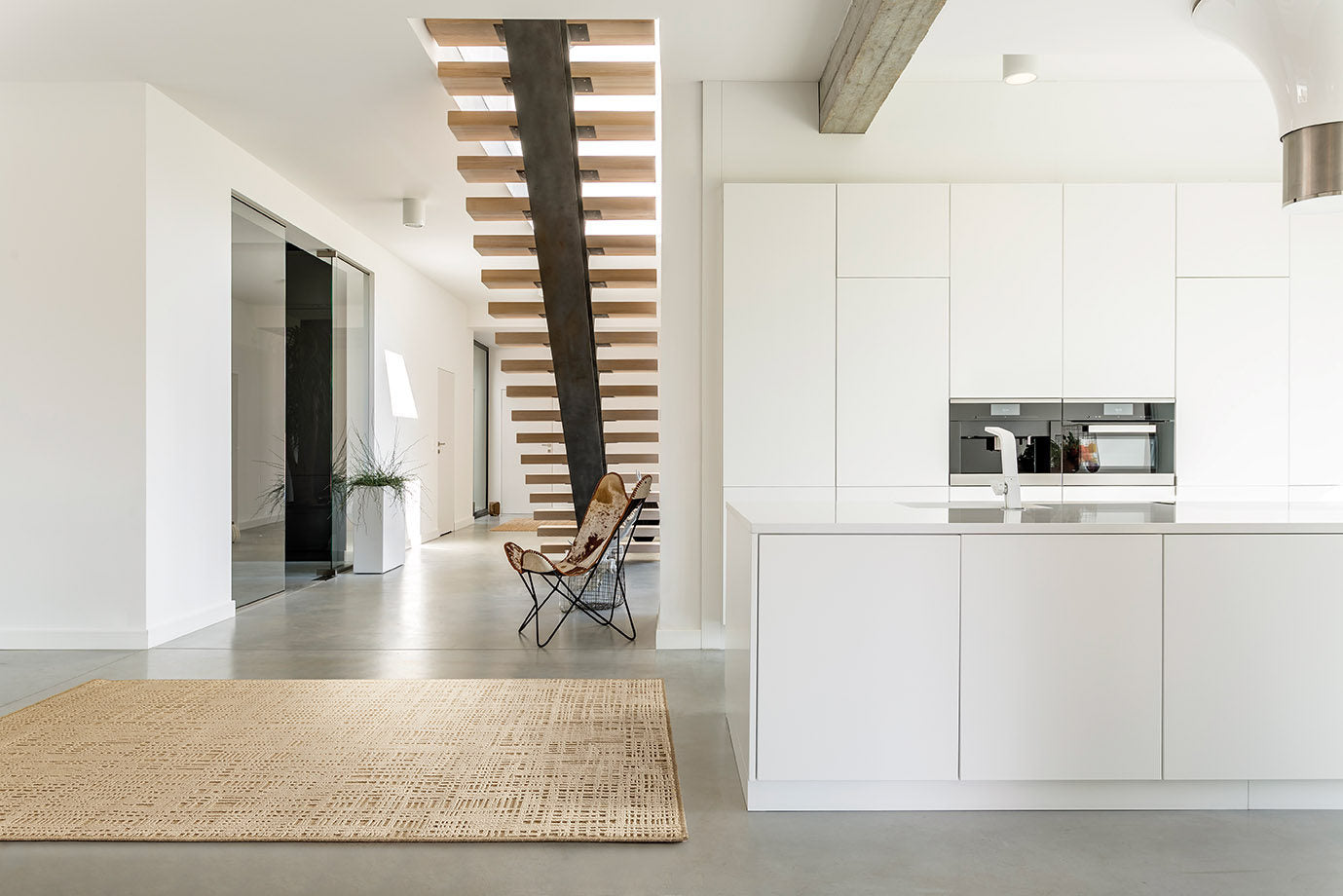
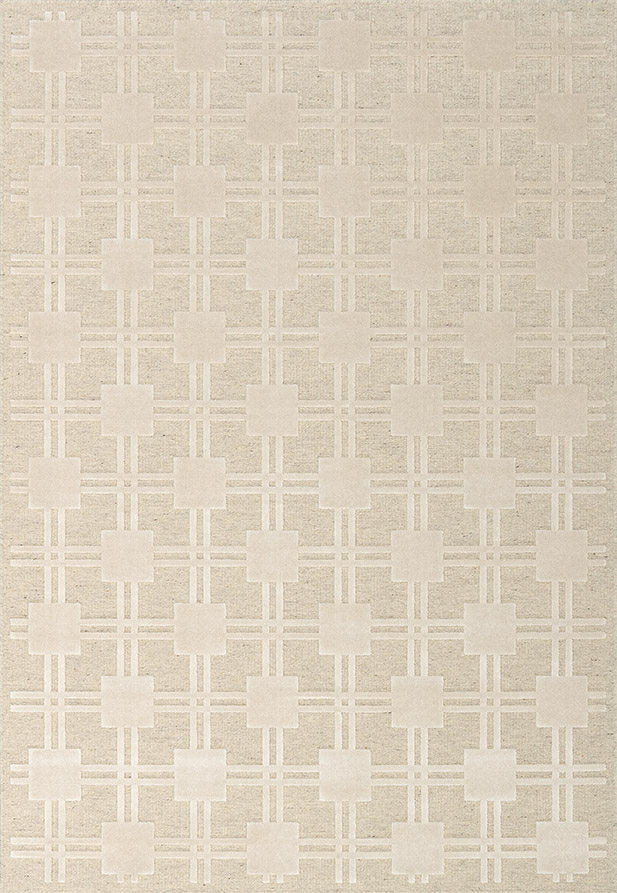
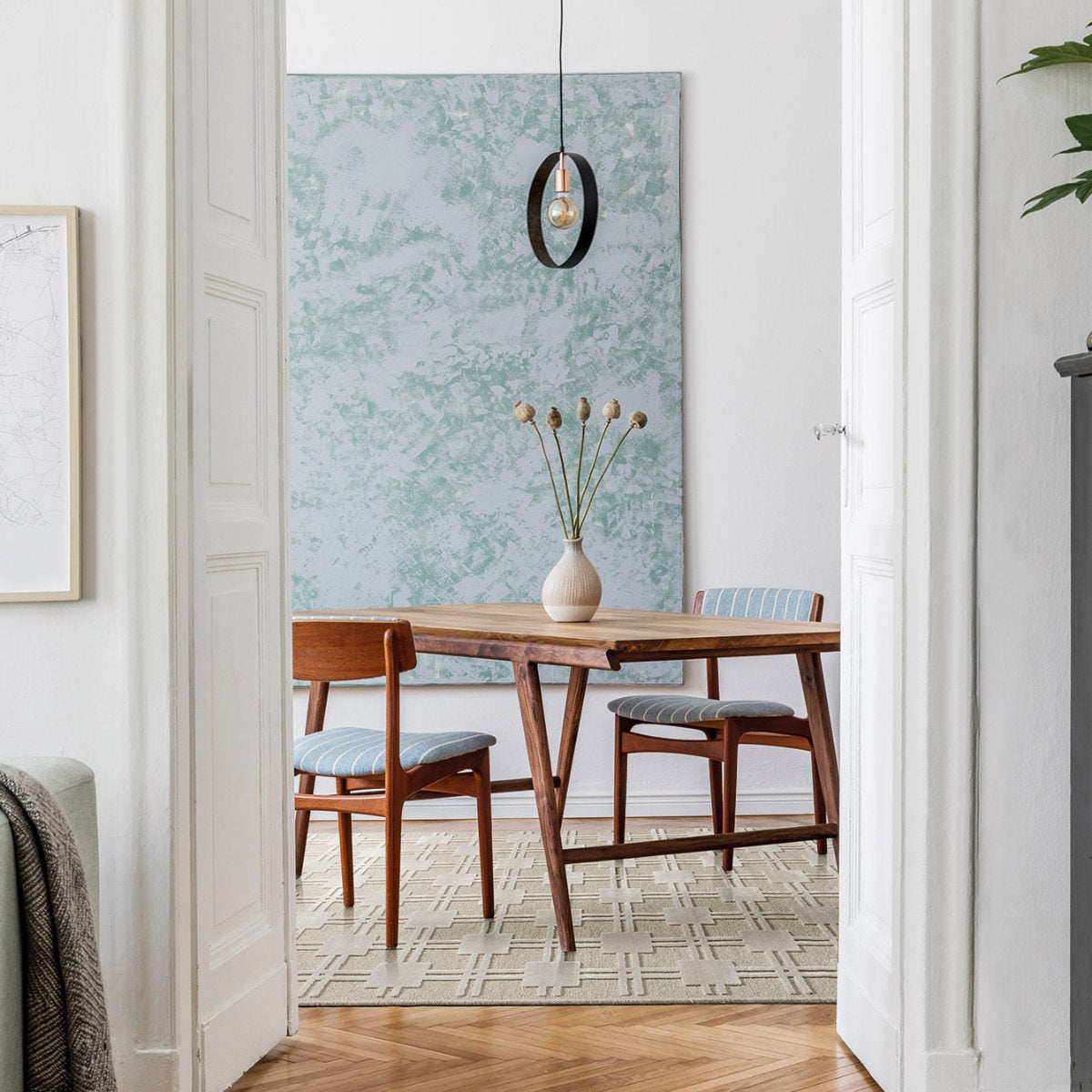
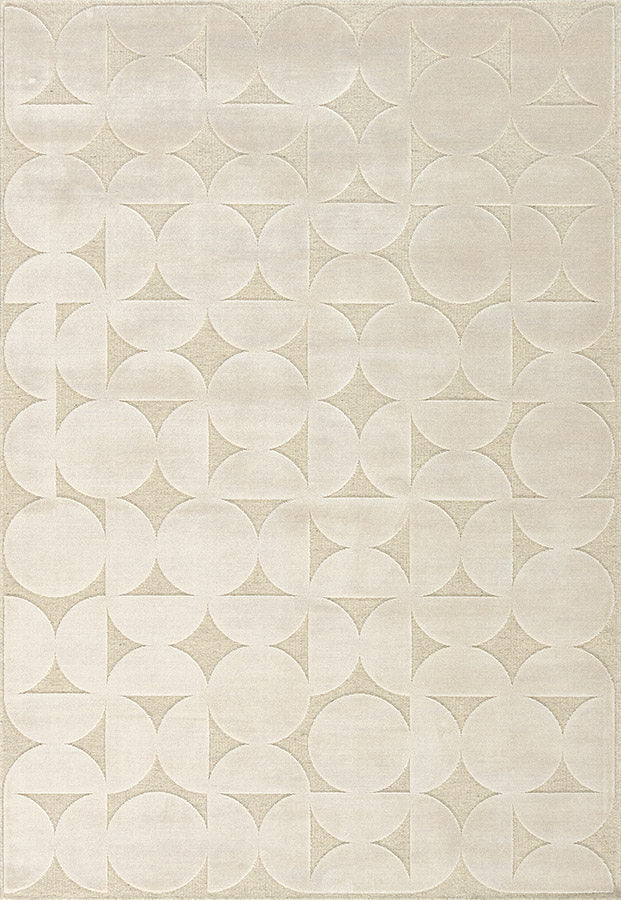
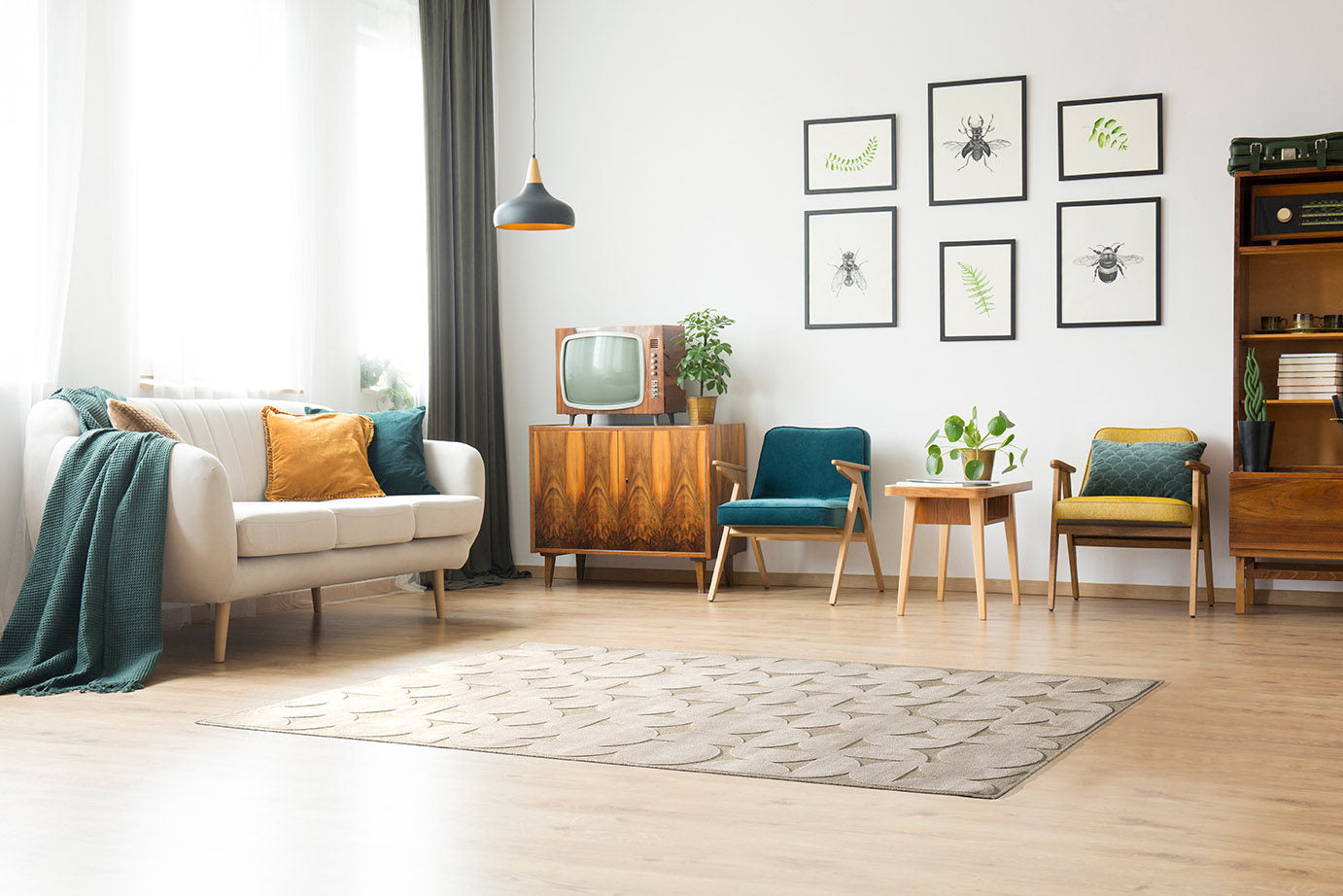

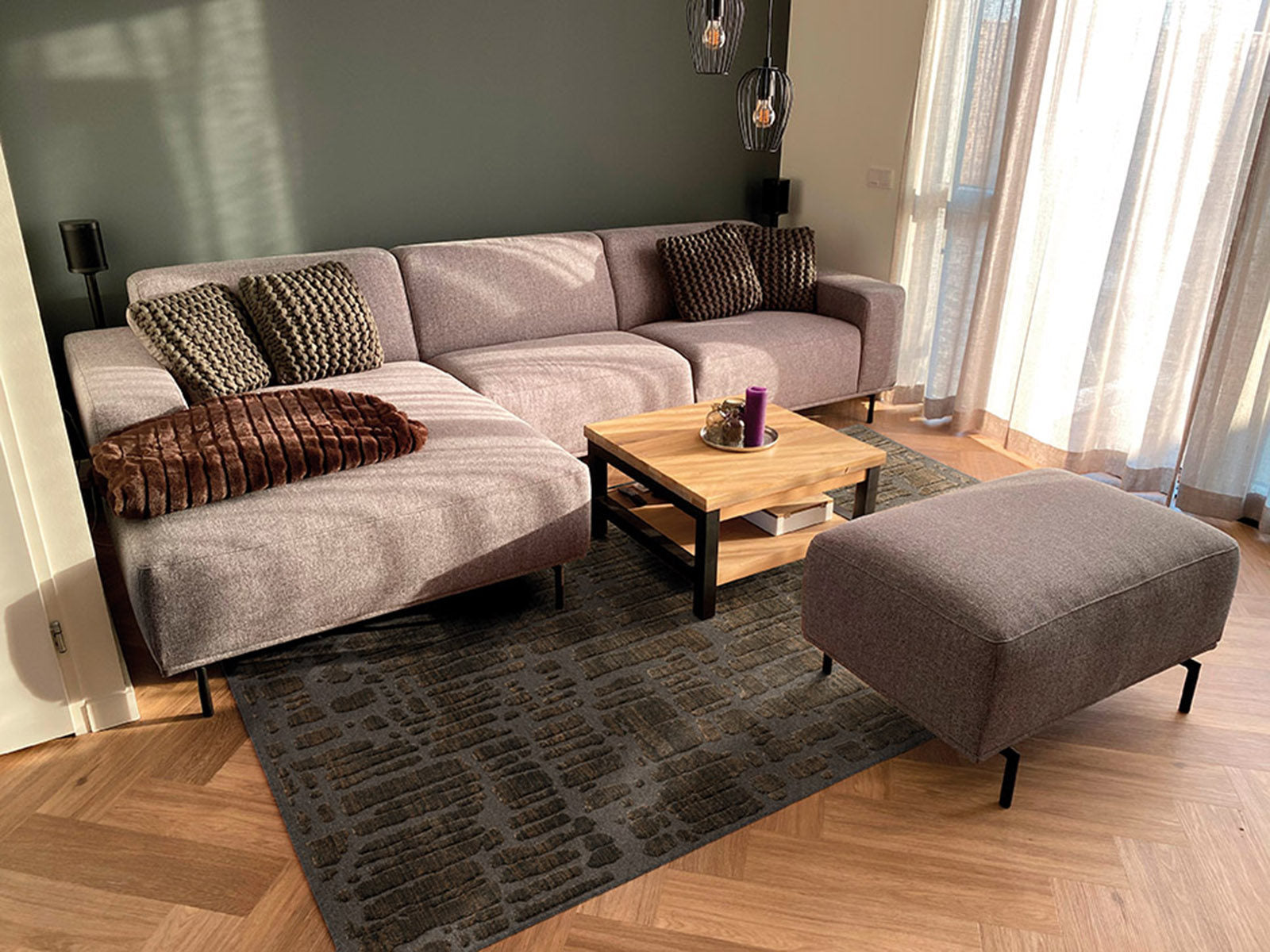

Bedroom Rugs: The First Thing You Feel Each Morning
A bedroom rug does quiet work. It's the softness beneath bare feet when you wake, the warmth that makes getting out of bed less jarring, the texture that turns a functional space into somewhere you actually want to be. Bedrooms are personal. The rug you choose should reflect that.
Our bedroom rug collection prioritises comfort and calm. High-pile wool that feels luxurious underfoot, flatweaves in muted tones that suit minimalist spaces, textured designs that add dimension without disrupting rest. Each rug has been selected because it understands what a bedroom needs, softness, warmth, and a sense of retreat.
What Makes a Good Bedroom Rug
Bedrooms are low-traffic spaces, which means you can prioritise comfort and aesthetics over durability. A high-pile rug that might be impractical in a hallway works beautifully in a bedroom, where the priority is how it feels rather than how it wears.
Softness matters. Wool, viscose, and cotton all bring different qualities. Wool is naturally warm and resilient, ideal for bedrooms where you want a rug that feels substantial. Viscose has a silk-like quality that adds a touch of luxury, though it's best suited to bedrooms where the rug won't see heavy use. Cotton flatweaves feel lighter and more breathable, suited to warmer climates or Scandinavian-inspired interiors.
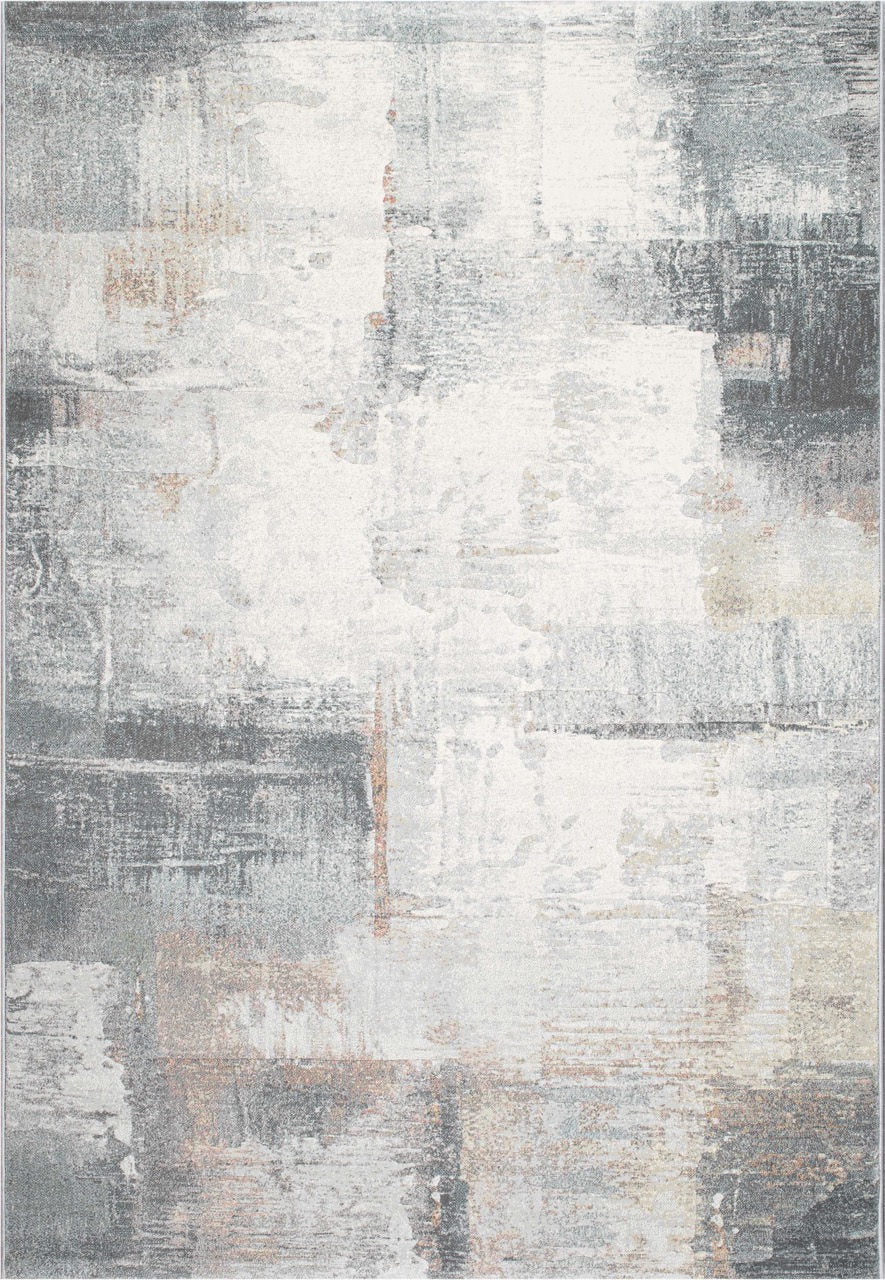
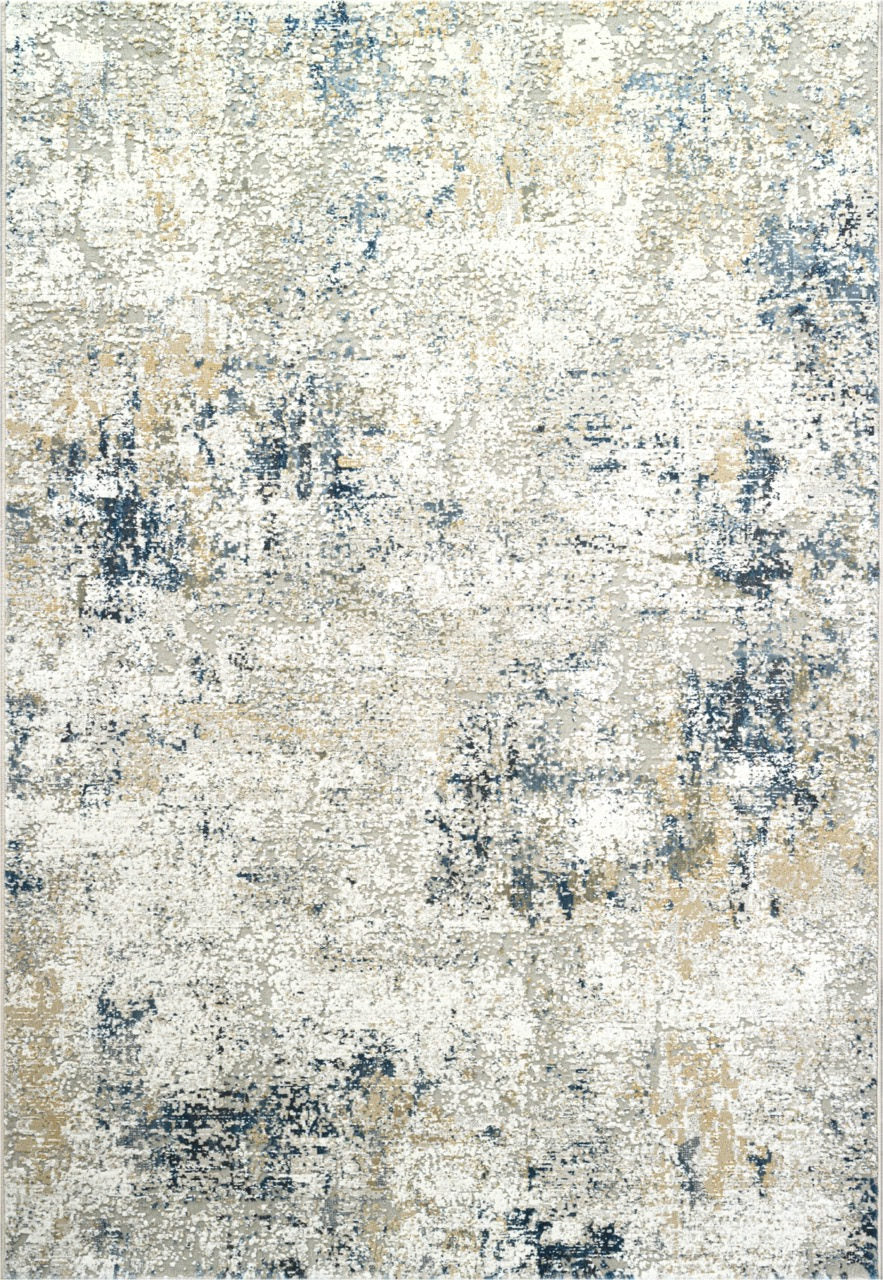
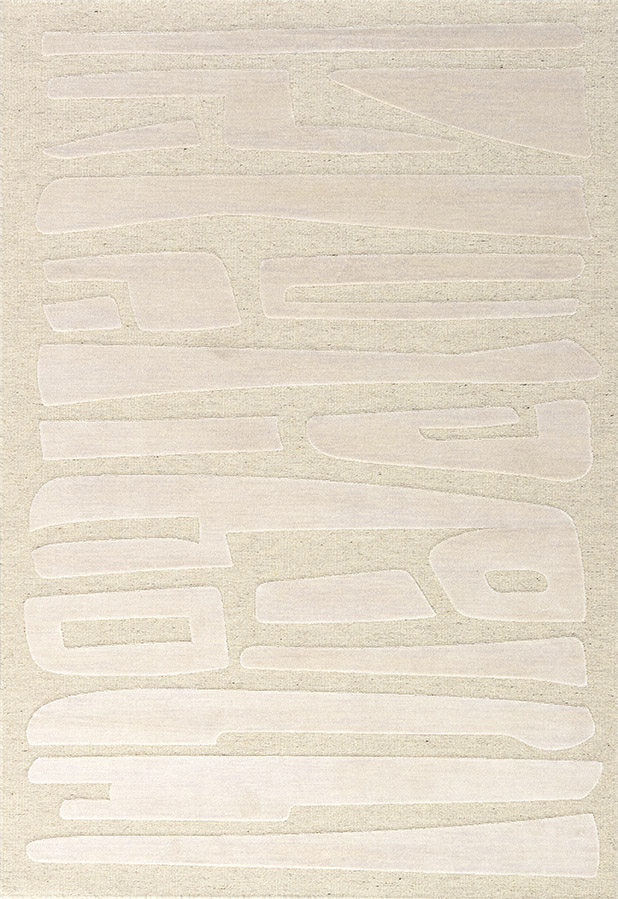
Colour and pattern affect mood more in bedrooms than in any other room. Neutrals in cream, beige, soft grey, or taupe create calm and make the room feel larger. Darker tones like charcoal or navy add depth and cocoon the space, which can feel comforting rather than oppressive if the room has adequate light. Subtle patterns, tonal textures, soft abstracts, add visual interest without disrupting the sense of rest.
Sizing and Placement for Bedroom Rugs
The size and placement of a bedroom rug affect how the room feels. A rug that's too small looks like an afterthought. A rug that's too large can overwhelm a smaller bedroom. The goal is balance.
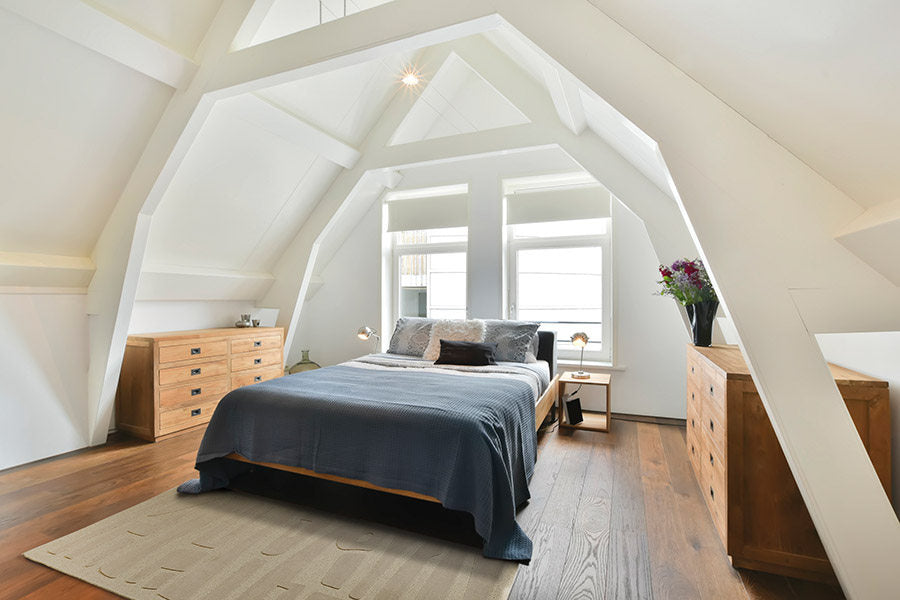
For a rug beneath the bed, it should extend beyond the bed on three sides, visible when you're standing at the foot of the bed and when you step out on either side. For a double bed, a 160×230 cm rug works. For a king, 200×300 cm provides the coverage needed to feel intentional. If you're working with a larger bedroom, 240×340 cm creates a more luxurious feel, with the rug extending well beyond the bed on all sides.
Alternatively, place the rug at the foot of the bed or along one side. This works particularly well in smaller bedrooms where a full rug beneath the bed would take up too much floor space. A runner along the side of the bed adds warmth and softness without overwhelming the room.
Leave at least 30 to 45 cm of floor visible around the edges of the rug. This frames the rug and prevents the room from feeling cramped. If your bedroom has built-in furniture or awkward corners, measure carefully to ensure the rug complements the layout rather than competing with it.
Material Choices for Bedroom Rugs
Wool is the most versatile material for bedroom rugs. It's soft, naturally insulating, and ages beautifully. A wool rug in a bedroom develops character over time rather than looking worn, and it's forgiving of the occasional spill or mark.
Viscose brings a sheen that makes colours appear richer and more dimensional. It's particularly effective in bedrooms with good natural light, where the rug catches and reflects light throughout the day. However, viscose is less durable than wool, so it's best suited to bedrooms where the rug won't see heavy foot traffic.
Cotton and linen flatweaves are lighter and more breathable, ideal for bedrooms in warmer climates or for people who prefer a less plush feel underfoot. They're also easier to clean and maintain, which can be useful in bedrooms where pets sleep or children play.
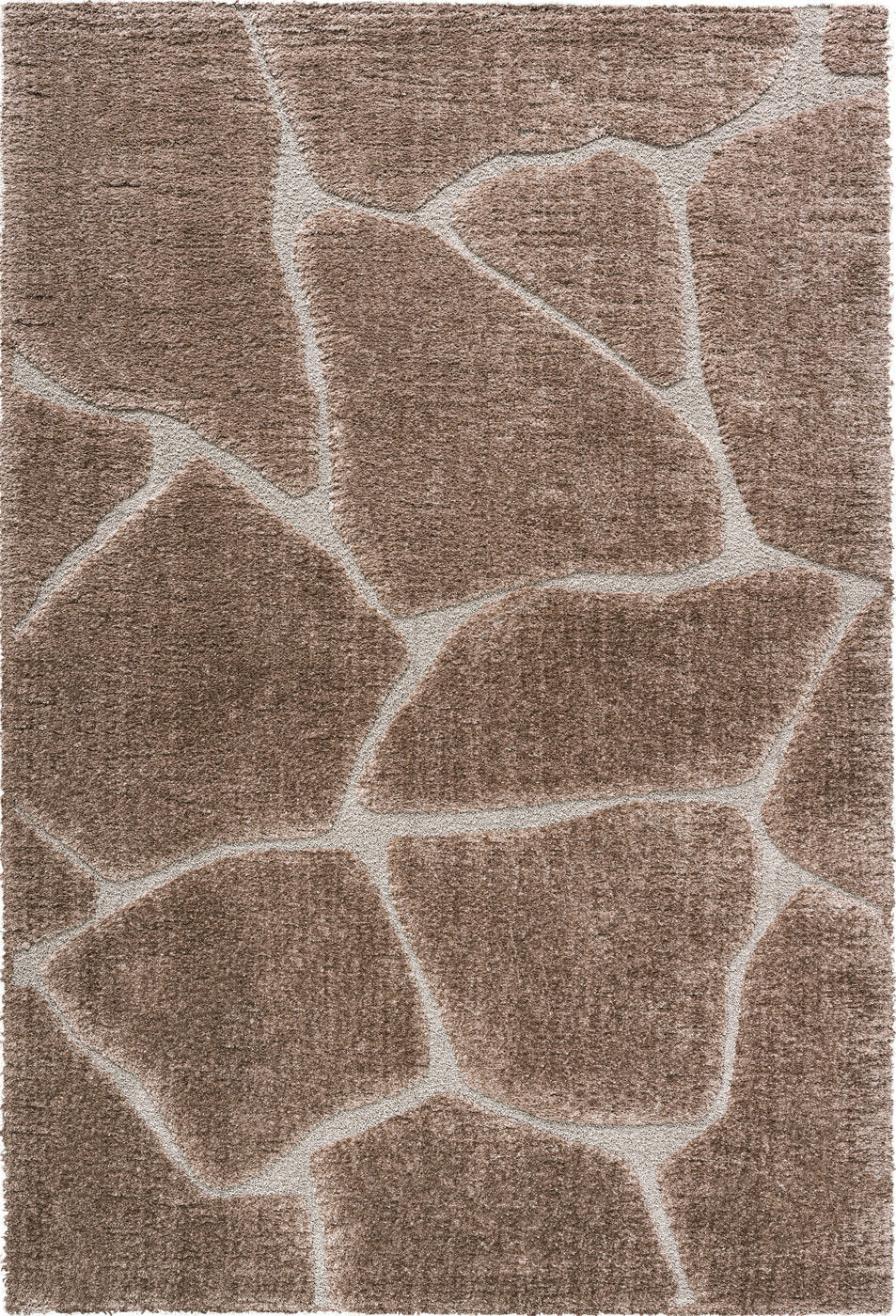
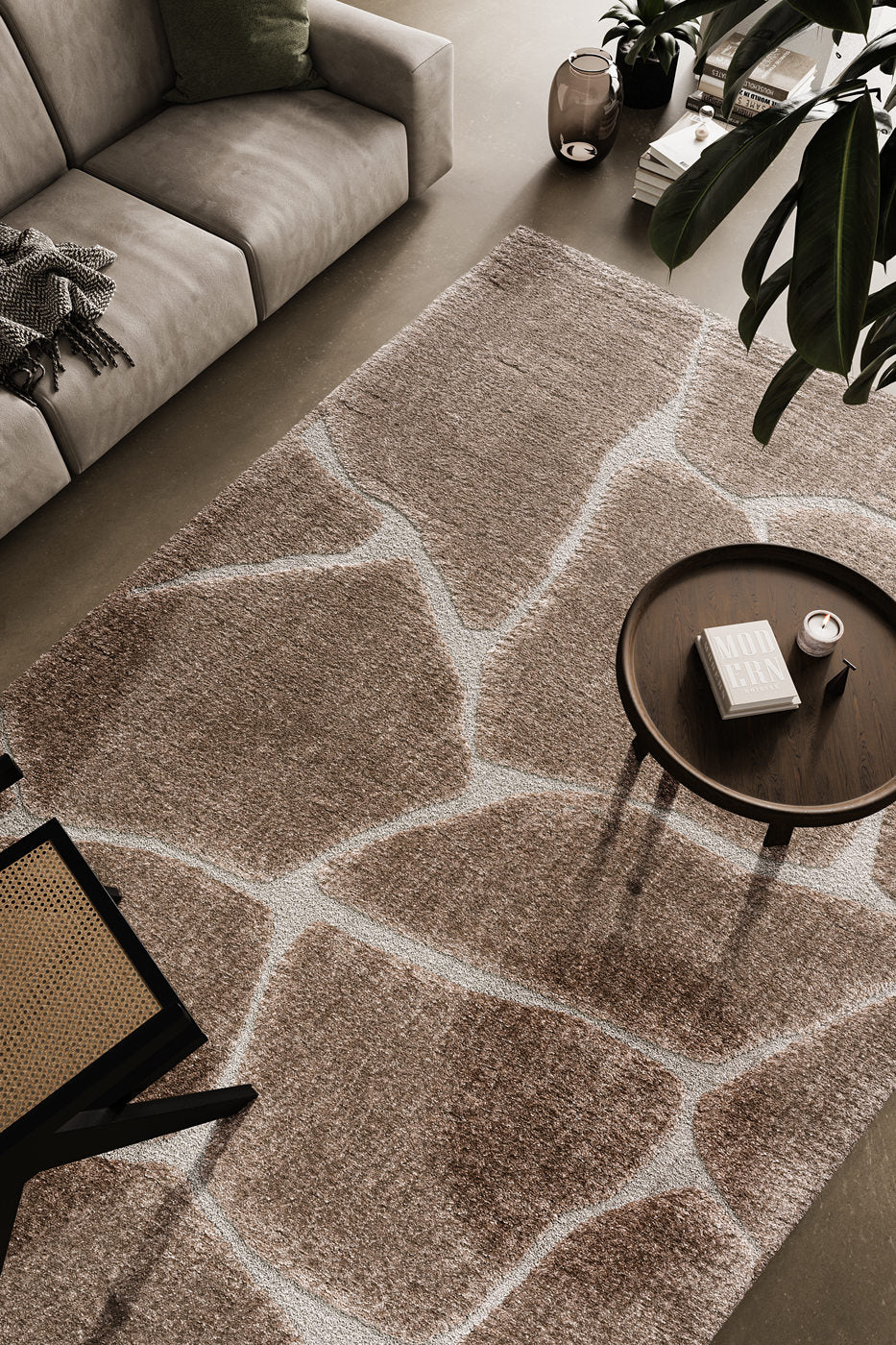
High-pile and shaggy rugs add warmth and tactility, perfect for creating a cosy atmosphere. They're particularly effective in minimalist bedrooms where texture does the work that pattern or colour might do elsewhere. However, they require more maintenance, regular vacuuming to prevent dust buildup, so consider your tolerance for upkeep before committing.
Styling Bedroom Rugs
Bedroom rugs work best when they complement rather than compete. If your bedding is patterned or colourful, a neutral rug in a solid tone provides balance. If your bedroom is minimal, a textured or subtly patterned rug adds interest without overwhelming the space.
Layering works in bedrooms, though it's less common than in living rooms. A smaller rug over a larger jute or sisal base can add dimension, particularly in larger bedrooms where you want to define the sleeping area within the broader space.
Consider the other textures in the room. A bedroom with linen bedding, wood furniture, and woven baskets benefits from a rug that adds softness without introducing too much visual complexity. A bedroom with sleek furniture and minimal accessories can handle a more textured or patterned rug.
Practical Considerations
Bedroom rugs don't need to be as durable as living room or hallway rugs, but they still benefit from regular care. Vacuuming once a week keeps dust and fibres from settling, and most spills can be blotted immediately without lasting damage.
Rug pads are useful in bedrooms, particularly if the rug is placed on hard flooring. They prevent slipping, protect the floor, and extend the life of the rug by reducing wear. They also add a layer of cushioning, which enhances the softness underfoot.
Bedroom rugs work well with underfloor heating, particularly flatweave and low-pile constructions. High-pile rugs can insulate too effectively, reducing heating efficiency, so if underfloor heating is a priority, choose a thinner construction.
Finding the Right Bedroom Rug
Start by considering the mood you want to create. Do you want the bedroom to feel cosy and enveloping, or light and airy? Darker, high-pile rugs create warmth and intimacy. Lighter, flatweave rugs feel more open and breathable.
Think about your existing palette. If your bedroom is already neutral, a rug in a complementary tone maintains calm. If you want to introduce colour, choose a rug in a muted or tonal shade that won't disrupt rest.
Measure your space carefully. A rug that's too small looks unfinished. A rug that's too large can make a small bedroom feel cramped. When in doubt, size up, but leave enough floor visible to frame the rug and maintain balance.
Browse the collection to find the right material, size, and tone for your bedroom. Delivery is free across the UK, and we accept returns within 30 days. If you're uncertain about size, material, or colour, reach out. We're here to help you create a bedroom that feels like a retreat.