

Collection: Modern Rugs
Contemporary Style for Every Home



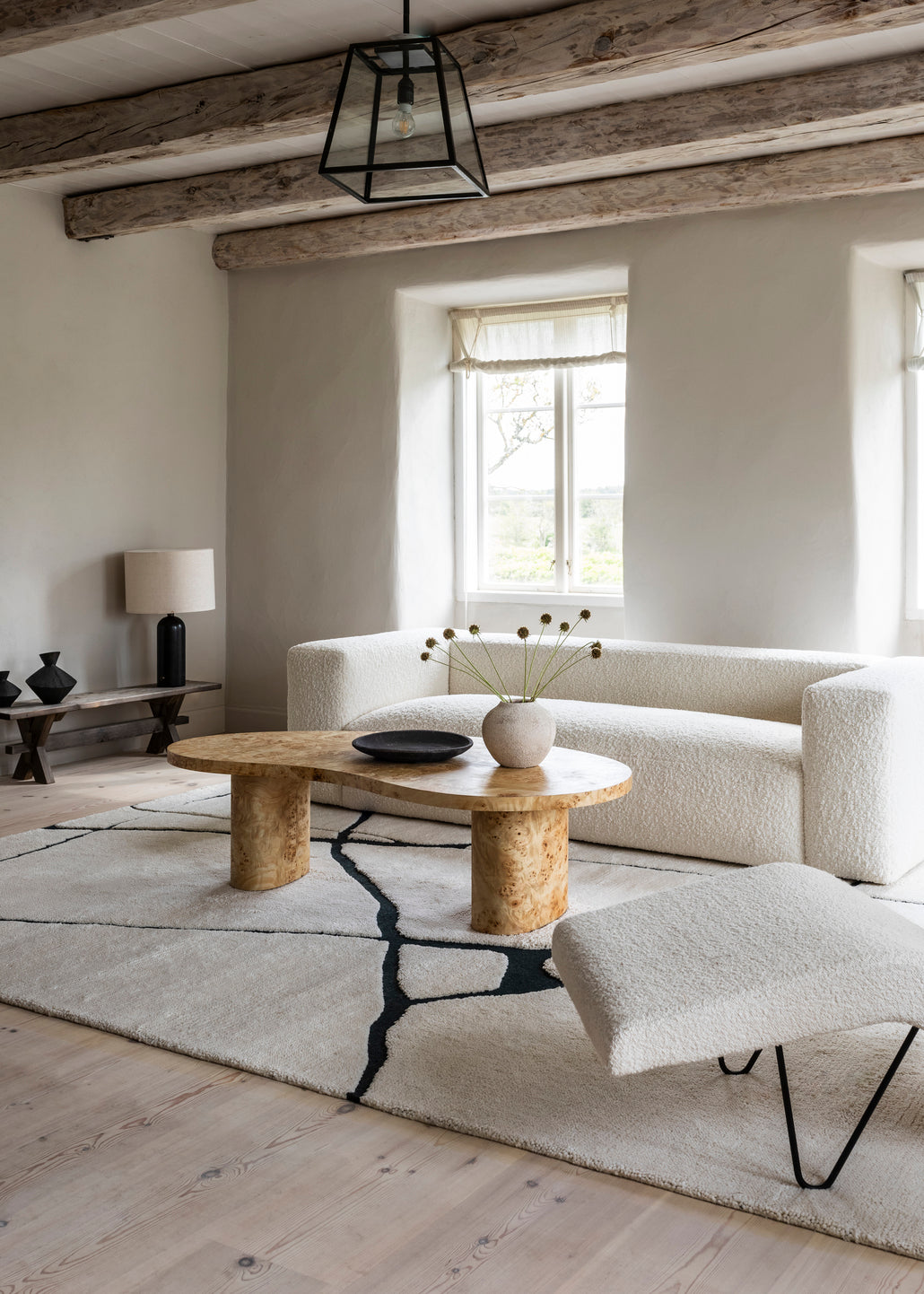
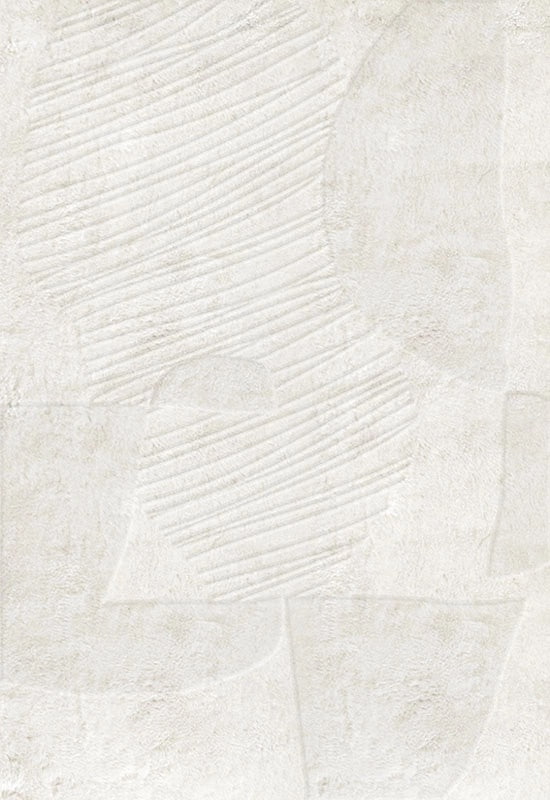
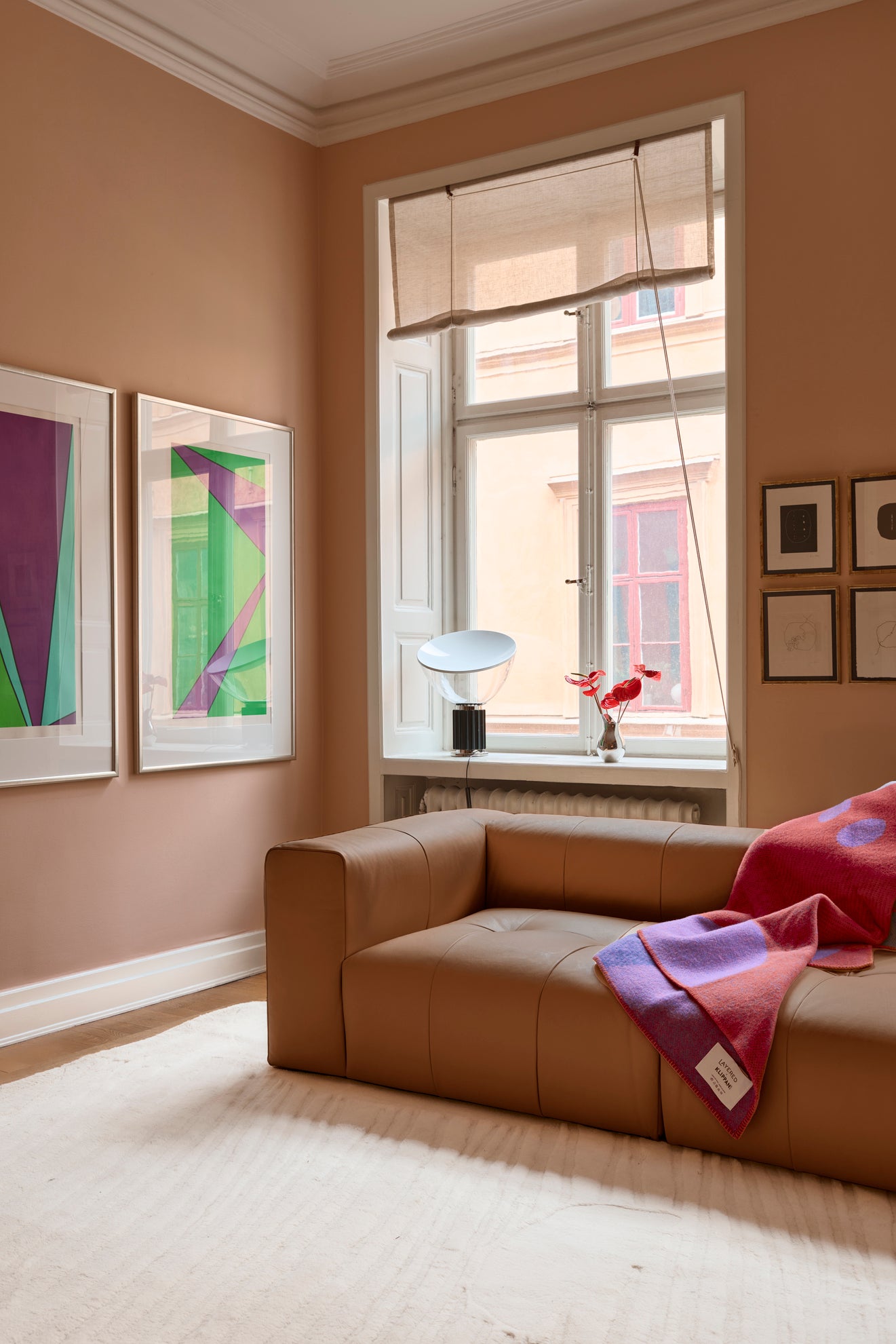
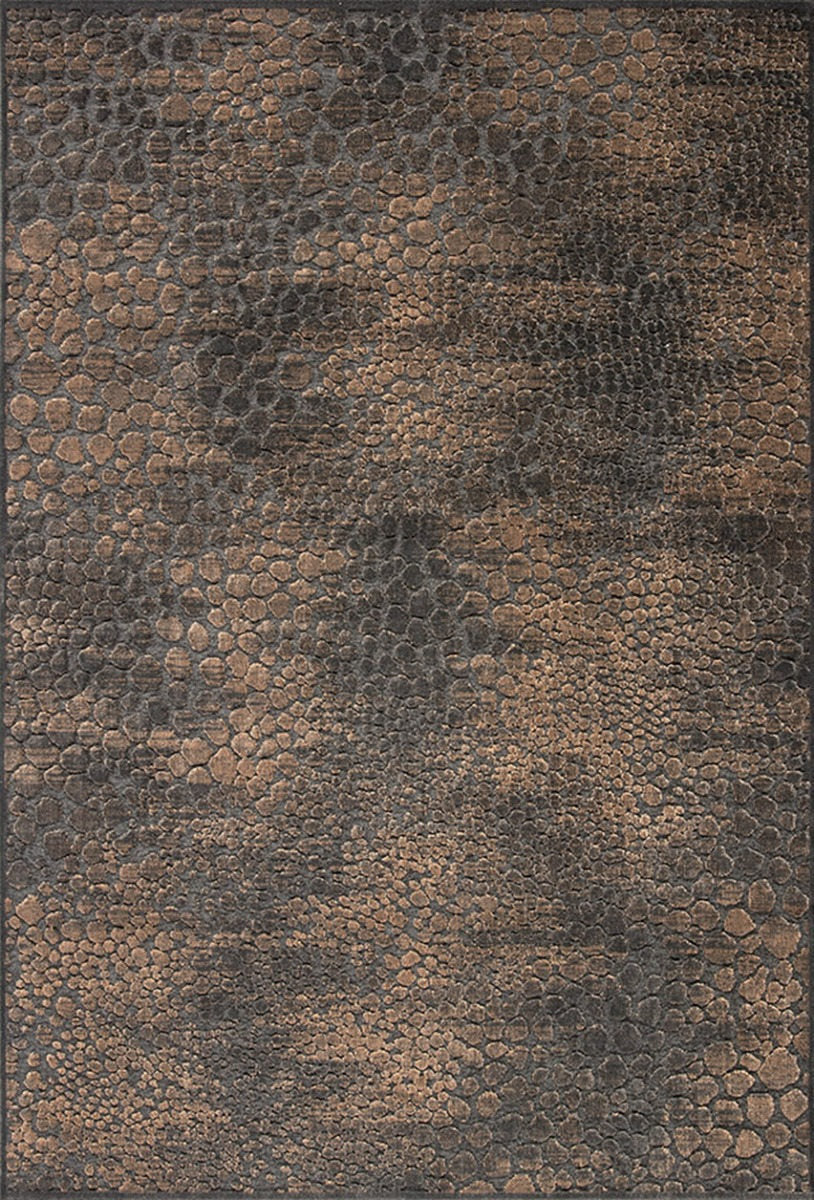
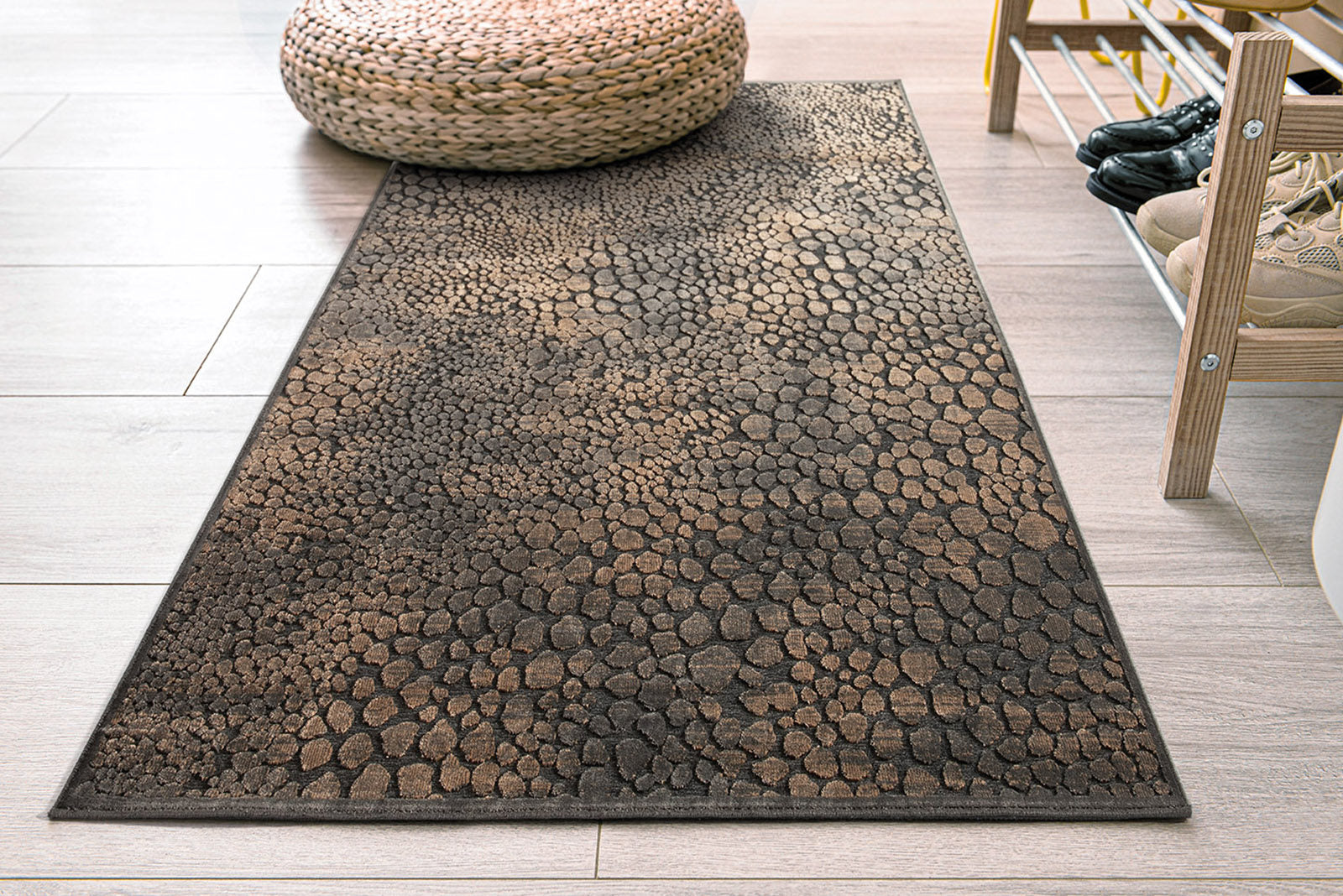


Modern Rugs: Design for How We Live Now
Modern rugs reflect contemporary life. They're pieces that understand how we use spaces today, open-plan layouts, multifunctional rooms, interiors that blend work and rest. A modern rug doesn't follow historical precedent. It responds to current needs, clean lines, functional design, and a balance between simplicity and personality.
What makes a rug modern isn't a single aesthetic. It's an approach. Some modern rugs lean towards minimalism, with neutral tones and subtle textures. Others embrace bold graphics, geometric patterns, or abstract compositions that make clear statements. What unites them is a refusal to be purely decorative. Modern rugs work. They define zones, anchor furniture, add warmth, and create visual interest without overwhelming.
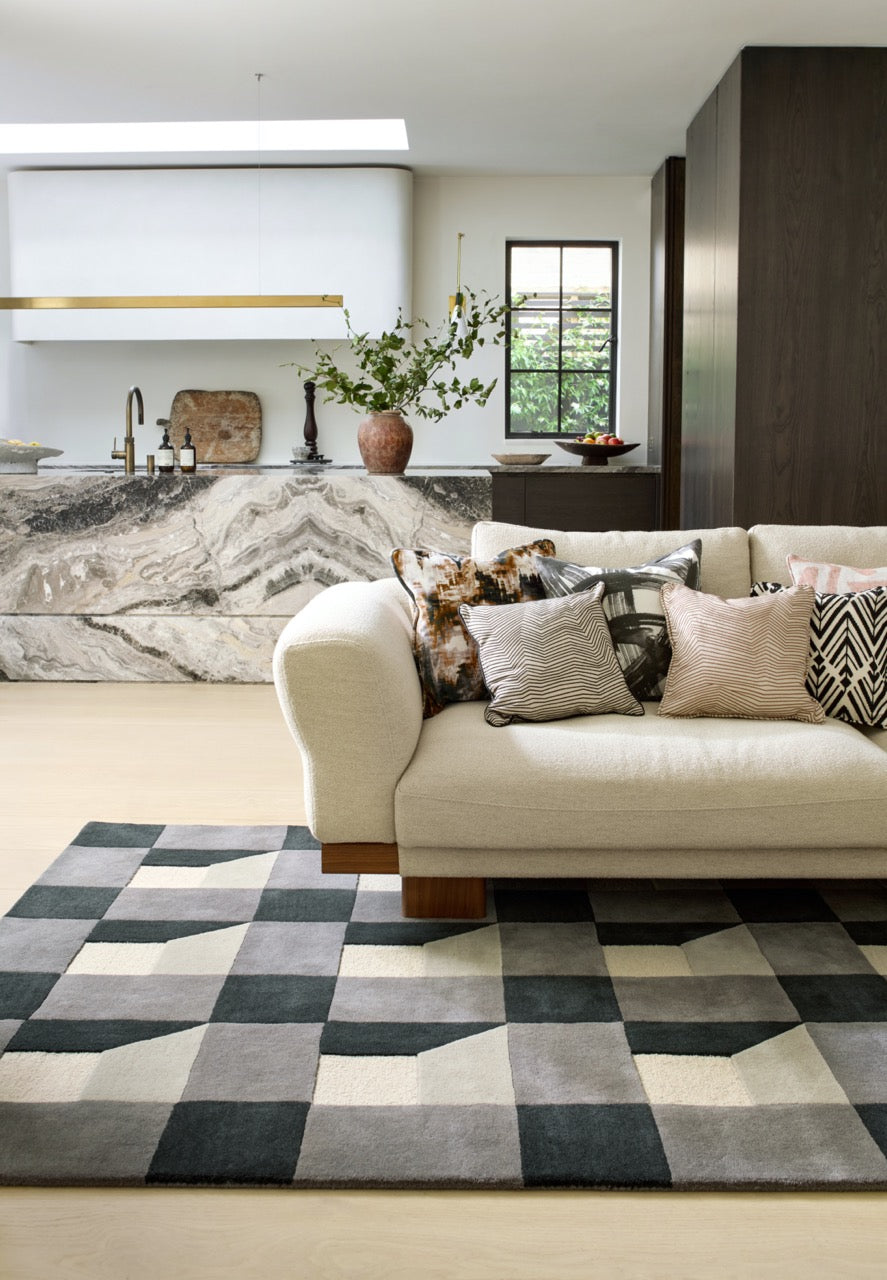
Our modern rug collection spans the full range of contemporary design. Scandinavian-inspired pieces in soft greys and natural fibres. Industrial rugs with distressed finishes and muted tones. Bold, graphic designs that reference mid-century modernism. Each rug has been chosen because it understands that modern doesn't mean cold or sterile. It means intentional, considered, and designed for how people actually live.
The Principles of Modern Rug Design
Modern design prioritises function without sacrificing form. A modern rug needs to work in the space it occupies. In open-plan living areas, it defines zones, creating visual boundaries without walls. In bedrooms, it adds warmth and softness underfoot. In dining rooms, it grounds the table and chairs, making the space feel more cohesive.
Clean lines and simplicity are hallmarks, but simplicity doesn't mean boring. A modern rug might feature a bold geometric pattern, but the pattern is structured and intentional rather than chaotic. It might use vibrant colour, but the colour is balanced and purposeful rather than random. The design feels considered, as though every element has been chosen for a reason.
Material matters enormously in modern design. Wool brings warmth and texture, ideal for Scandinavian and mid-century-inspired interiors. Flatweaves offer structure and clean lines, suited to minimalist and industrial spaces. High-pile rugs add tactility and comfort, perfect for creating cosy, inviting areas within larger open-plan rooms. The material affects how the rug reads in a space, so it's worth considering texture as much as pattern or colour.
Scale and proportion prevent modern spaces from feeling empty or cold. A large rug in a living room creates a foundation that makes furniture feel connected rather than scattered. In bedrooms, a rug that extends beyond the bed on all sides adds warmth and makes the room feel more finished. The right scale makes a space feel intentional rather than accidental.
Modern Rugs Across Different Styles
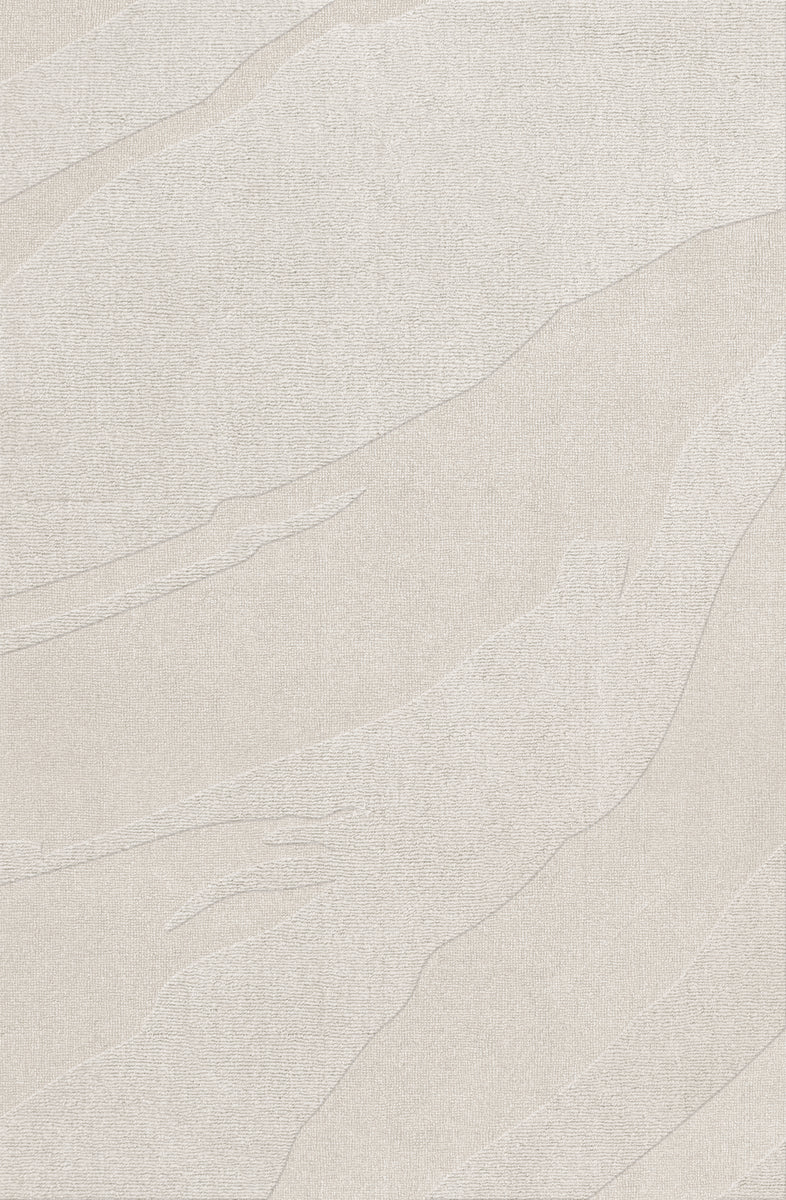
Minimalist interiors suit modern rugs with subtle textures and neutral tones. A rug in soft grey, beige, or cream adds warmth without introducing pattern or colour that might disrupt the simplicity. The texture becomes the focal point, creating visual interest through material rather than design. Flatweaves work particularly well here, as they sit close to the floor and maintain clean lines.
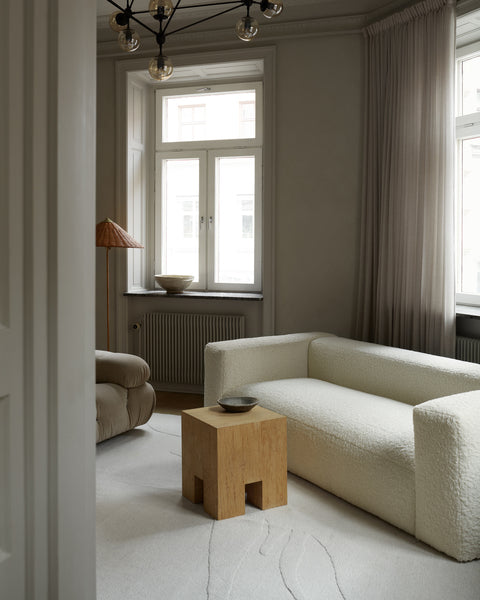
Scandinavian-inspired spaces benefit from modern rugs in natural fibres and organic tones. Wool rugs in light greys, soft whites, or muted blues bring warmth and comfort while maintaining the aesthetic's emphasis on simplicity and functionality. The rug adds cosiness without feeling heavy or overwhelming.
Industrial interiors work with modern rugs that have distressed finishes or muted, earthy tones. A rug in charcoal, taupe, or rust complements raw materials like exposed brick, steel, and reclaimed wood. The rug softens the hardness of industrial elements while maintaining the aesthetic's edge and character.
Mid-century modern spaces suit rugs with bold graphics and warm colours. Geometric patterns in mustard, teal, rust, or burnt orange reference the optimism and playfulness of 1950s and 60s design without feeling retro. The rug brings personality and energy while maintaining the clean lines and functional approach that define mid-century modernism.
Eclectic modern interiors can accommodate colourful rugs with layered patterns or unexpected combinations. The key is ensuring the rug feels intentional rather than random. A modern eclectic rug might mix vintage-inspired motifs with contemporary colours, or combine organic shapes with graphic elements. The mix feels curated rather than chaotic.
Placement and Function in Modern Spaces
Living rooms are natural homes for modern rugs. A large rug beneath a sofa and coffee table creates a cohesive seating area, particularly important in open-plan layouts where you need to define zones without walls. The rug should extend far enough that the front legs of furniture sit on it, creating visual connection rather than fragmentation.
Bedrooms benefit from modern rugs that add warmth and softness. A rug beneath or beside a bed creates a sense of comfort and makes the room feel more finished. In minimalist bedrooms, a simple, textured rug in a neutral tone adds warmth without disrupting the simplicity. In more expressive bedrooms, a rug with pattern or colour introduces personality.
Dining rooms suit modern rugs that are practical as well as beautiful. Flatweaves or low-pile constructions allow chairs to move smoothly, and they're easier to clean when spills happen. The rug should extend at least 60 to 70 cm beyond the table on all sides, ensuring chairs remain on the rug when pulled out.
Hallways and entryways work with modern runners that create visual flow and guide movement. A runner in a neutral tone or subtle pattern adds warmth to transitional spaces without overwhelming them. The rug makes the space feel more welcoming and intentional.
Material, Texture, and How Modern Rugs Perform
Wool is the most versatile material for modern rugs. It's durable, naturally stain-resistant, and soft underfoot. A wool modern rug works in high-traffic living rooms, bedrooms, and hallways where the rug needs to withstand daily use. Wool also brings warmth, both literally and visually, which prevents modern spaces from feeling too cold or sterile.
Flatweave constructions create crisp, clean lines, ideal for minimalist and industrial interiors where precision and simplicity matter. The rug sits close to the floor, which enhances the sense of space and maintains the clean aesthetic. Flatweaves are also practical for dining rooms and studies where you want chairs to move smoothly.
High-pile modern rugs add warmth and tactility, perfect for creating cosy areas within larger open-plan spaces. The depth of pile makes the rug feel substantial and luxurious, ideal for bedrooms or living rooms where comfort is as important as aesthetics. High-pile rugs work particularly well in Scandinavian-inspired interiors where warmth and cosiness are priorities.
Synthetic fibres offer durability and ease of maintenance, suited to high-traffic areas or homes with children and pets. They're also more affordable than natural fibres, making them practical for people who want modern design without a significant investment. However, they lack the warmth and texture of wool, so they're best used in spaces where function is the priority.
Colour, Pattern, and Visual Impact
Neutral modern rugs in greys, beiges, and creams provide versatility and work with changing furniture and accessories. They're the foundation that accommodates bold artwork, colourful cushions, or statement lighting without the room feeling chaotic. Neutrals are particularly effective in minimalist and Scandinavian interiors where simplicity is valued.
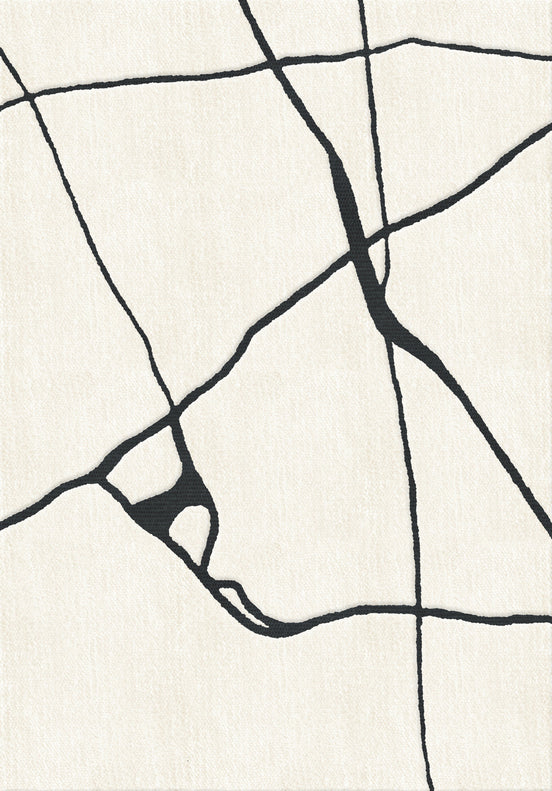
Bold modern rugs with graphic patterns or vibrant colours make clear statements. They're pieces that anchor a room and introduce personality without requiring patterned furniture or bold walls. The rug does the work of adding character, and everything else can remain simple. This approach works well in spaces where you want impact without complexity.
Tonal modern rugs with subtle pattern or texture offer a middle ground. They're more interesting than solid colours but less intense than bold graphics. A rug with a tonal geometric pattern or an abstract design in shades of grey creates visual interest without overwhelming. This suits spaces where you want depth and dimension but prefer restraint over boldness.
Living With Modern Rugs
Modern rugs are designed for daily life. They're practical, durable, and forgiving. Wool rugs naturally resist stains, and patterns or textures camouflage minor wear. Flatweaves are easy to clean and maintain. High-pile rugs add comfort and warmth, making spaces feel more inviting.
Maintain your modern rug with weekly hoovering to prevent dust from settling into the fibres. Treat spills by blotting rather than rubbing. For wool rugs, professional cleaning annually preserves the integrity of the fibres and keeps colours vibrant. Rug pads prevent slipping and protect flooring, particularly important in open-plan spaces where rugs define zones.
Consider your lifestyle and how you use your space. High-traffic areas need durable materials like wool or flatweave. Low-traffic areas can accommodate more delicate options like viscose or high-pile constructions. The right modern rug works for how you actually live, not how you wish you lived.
Modern rugs are for people who appreciate design that serves a purpose. They're pieces that make spaces feel more intentional, more cohesive, and more comfortable. The right modern rug doesn't just add visual interest. It makes a room work better, feel better, and reflect how you want to live.