

Collection: Retro Rugs
Nostalgia, optimism, design that doesn't take itself too seriously


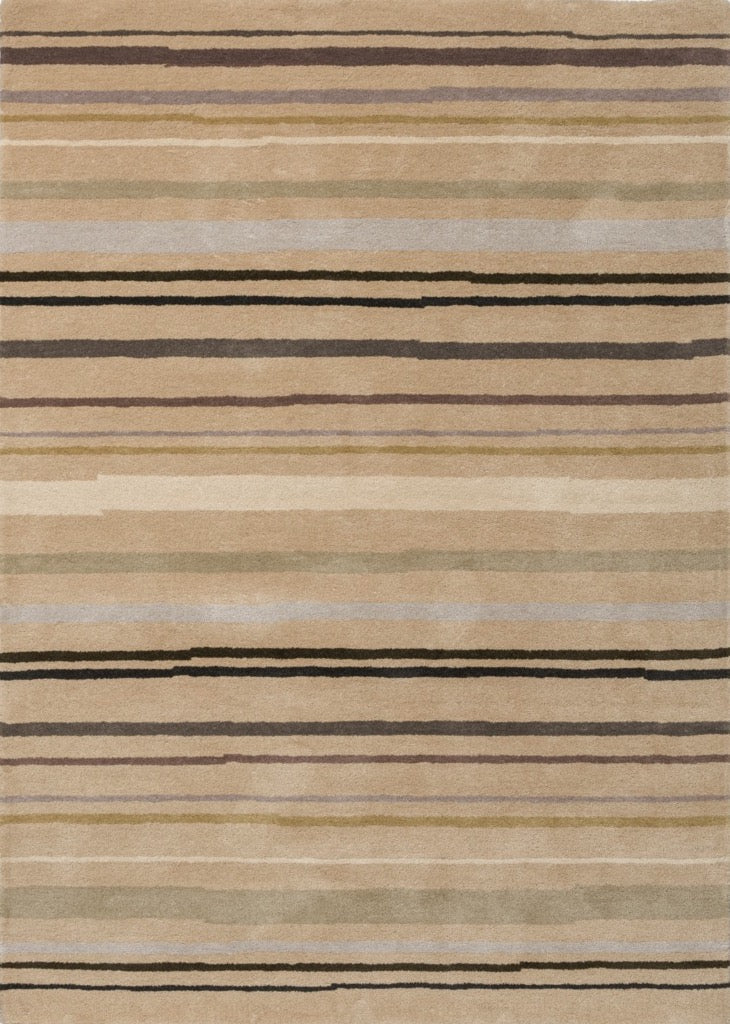
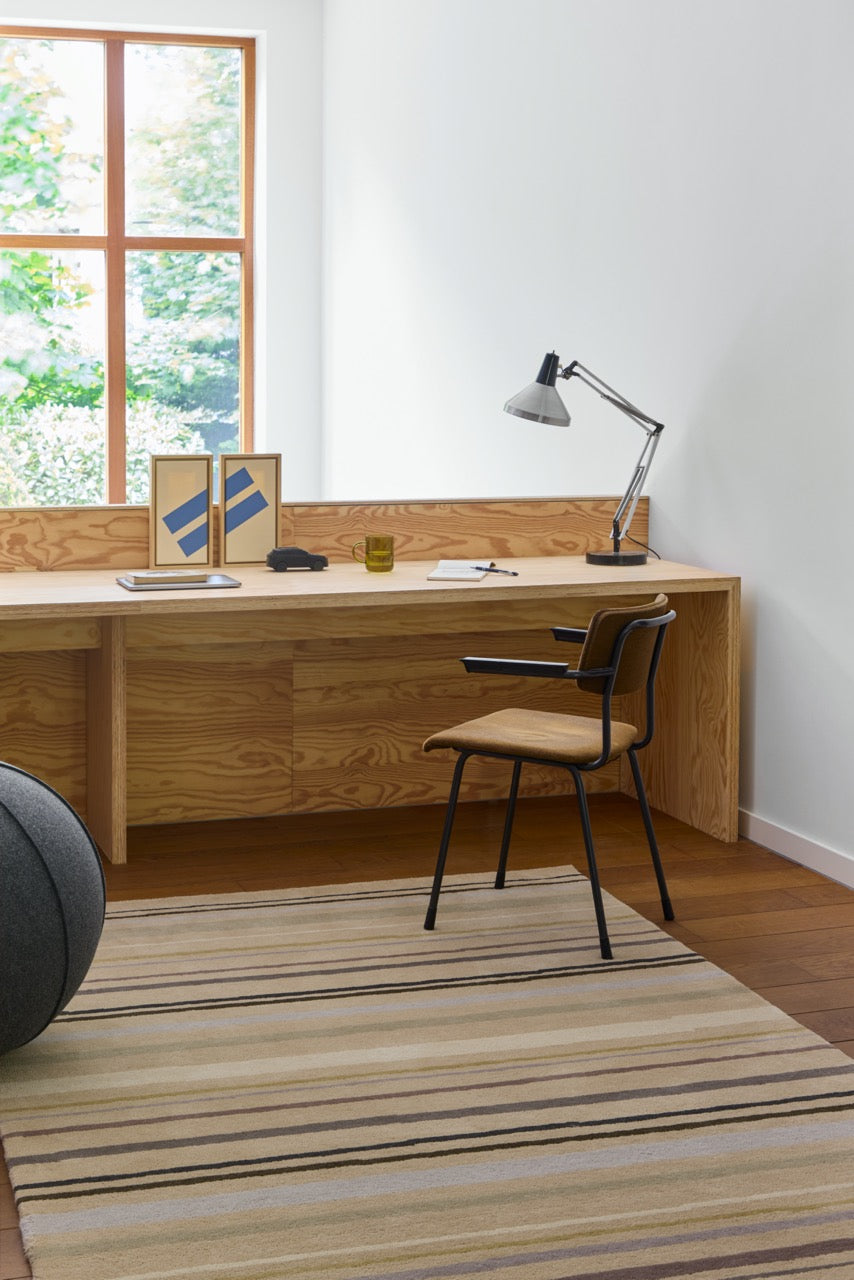


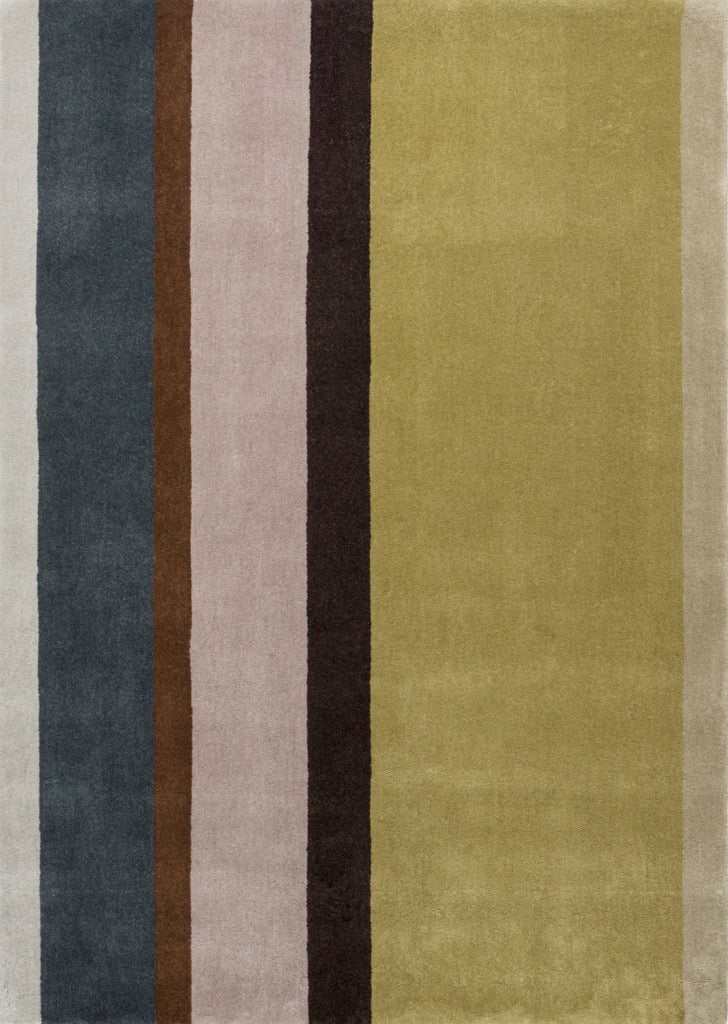
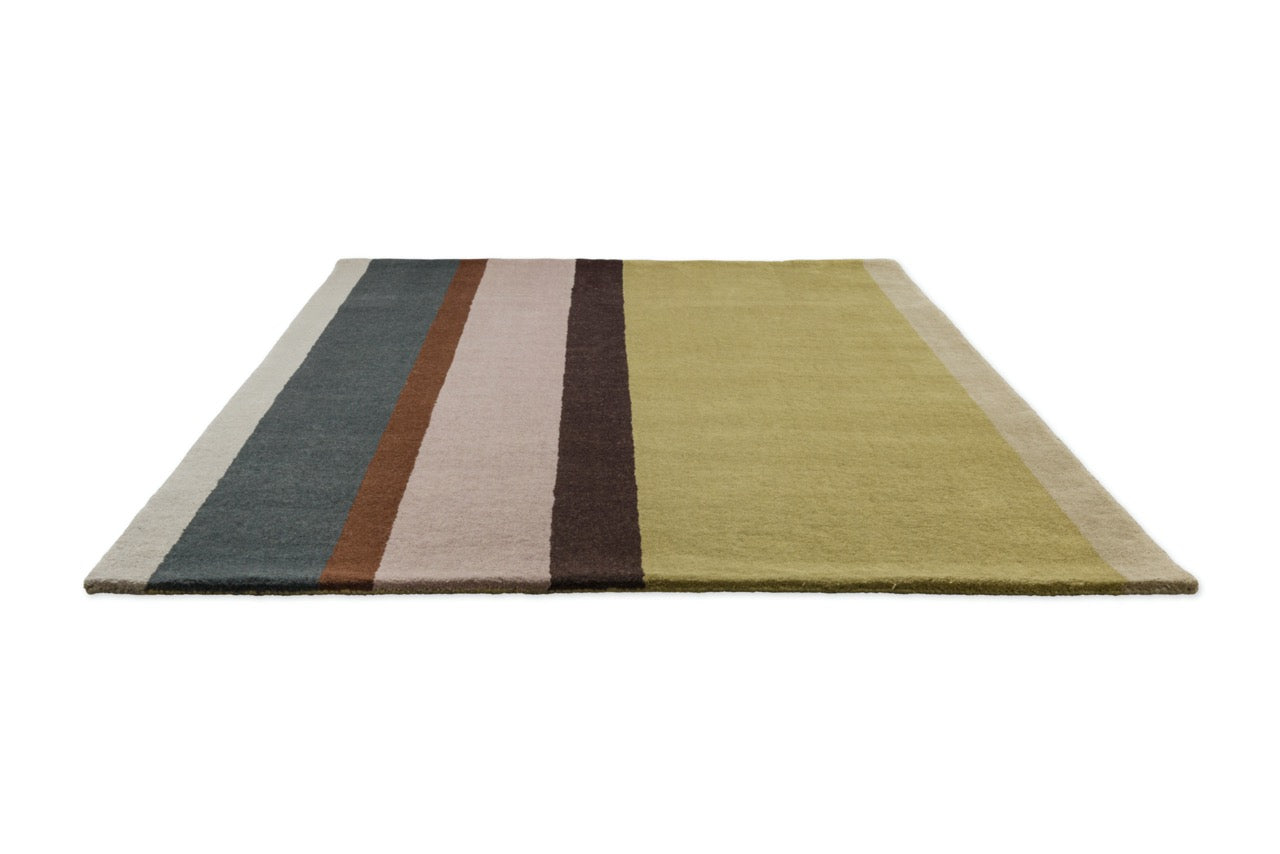




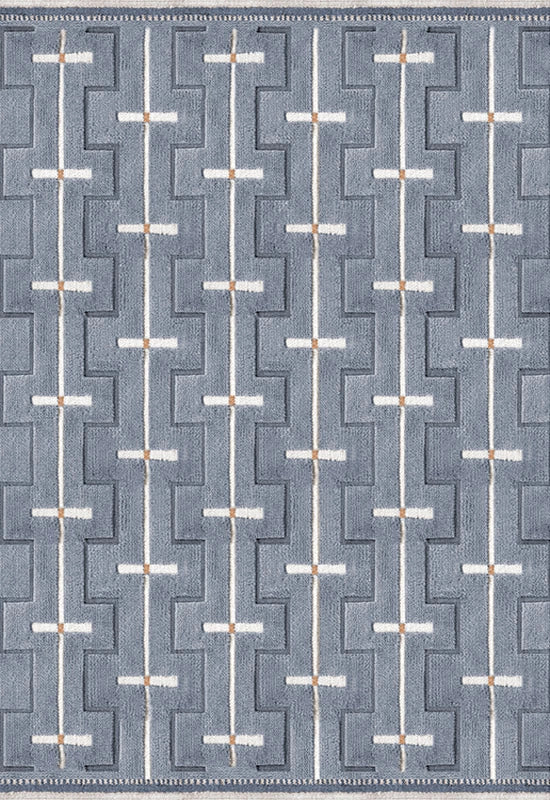


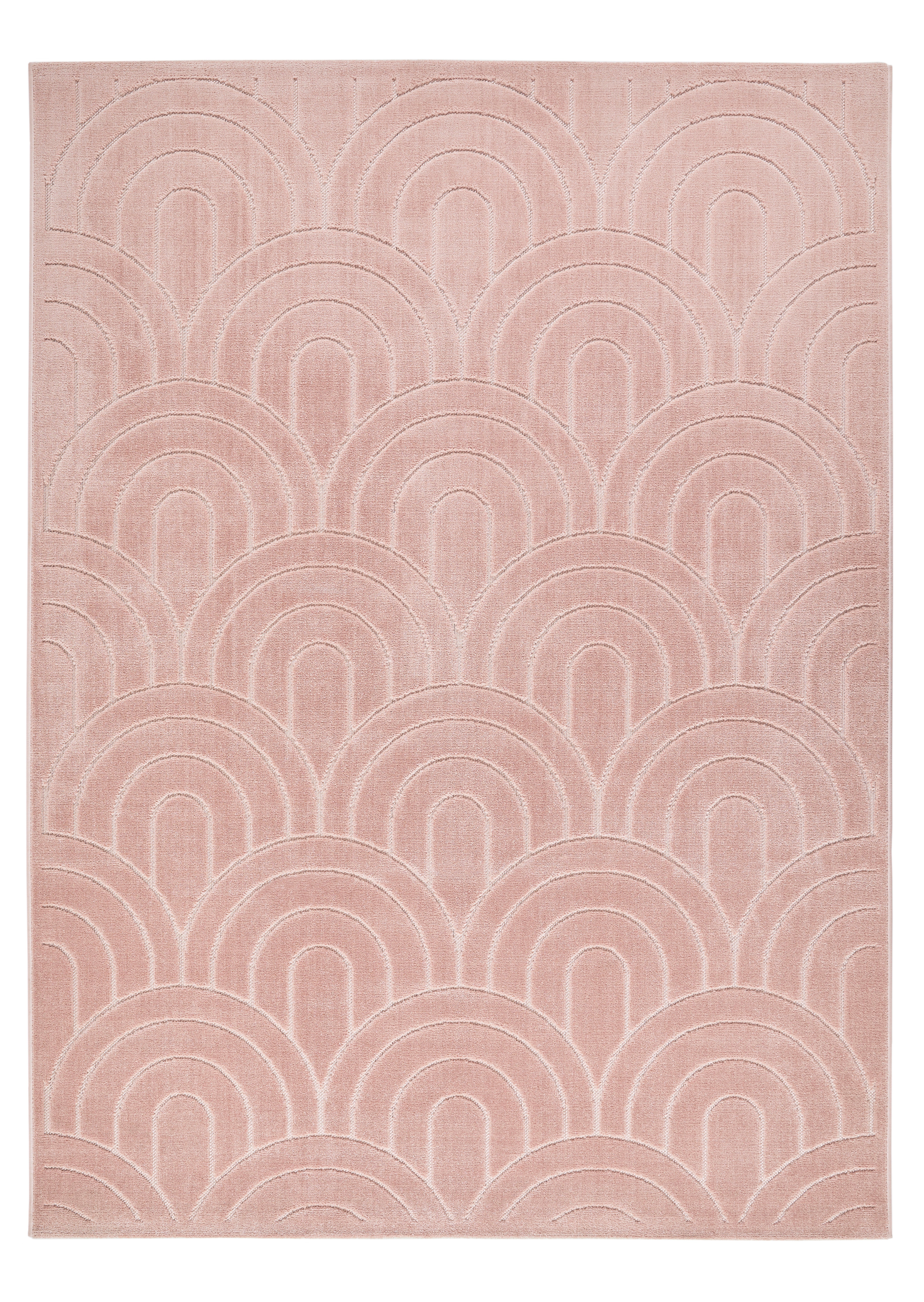
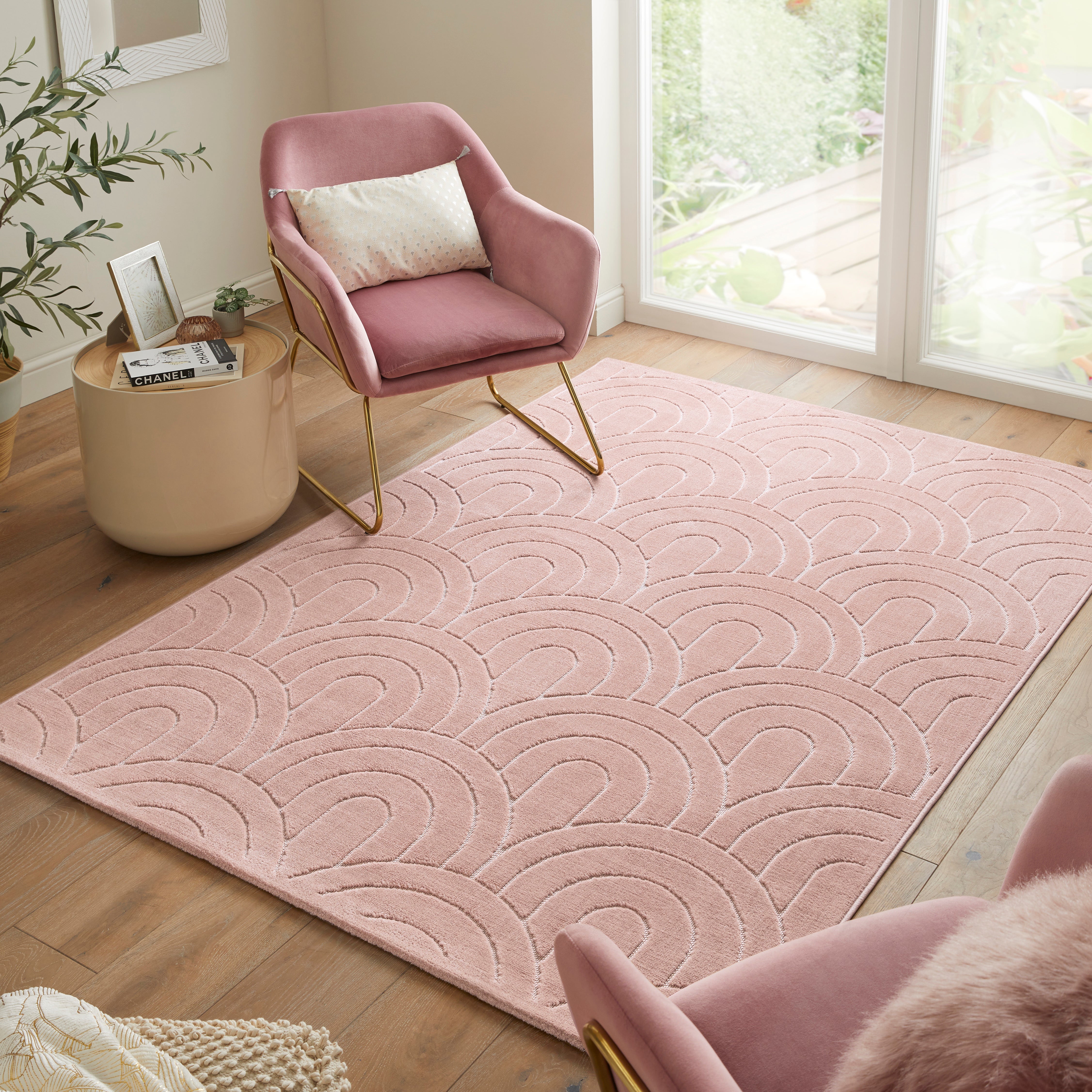
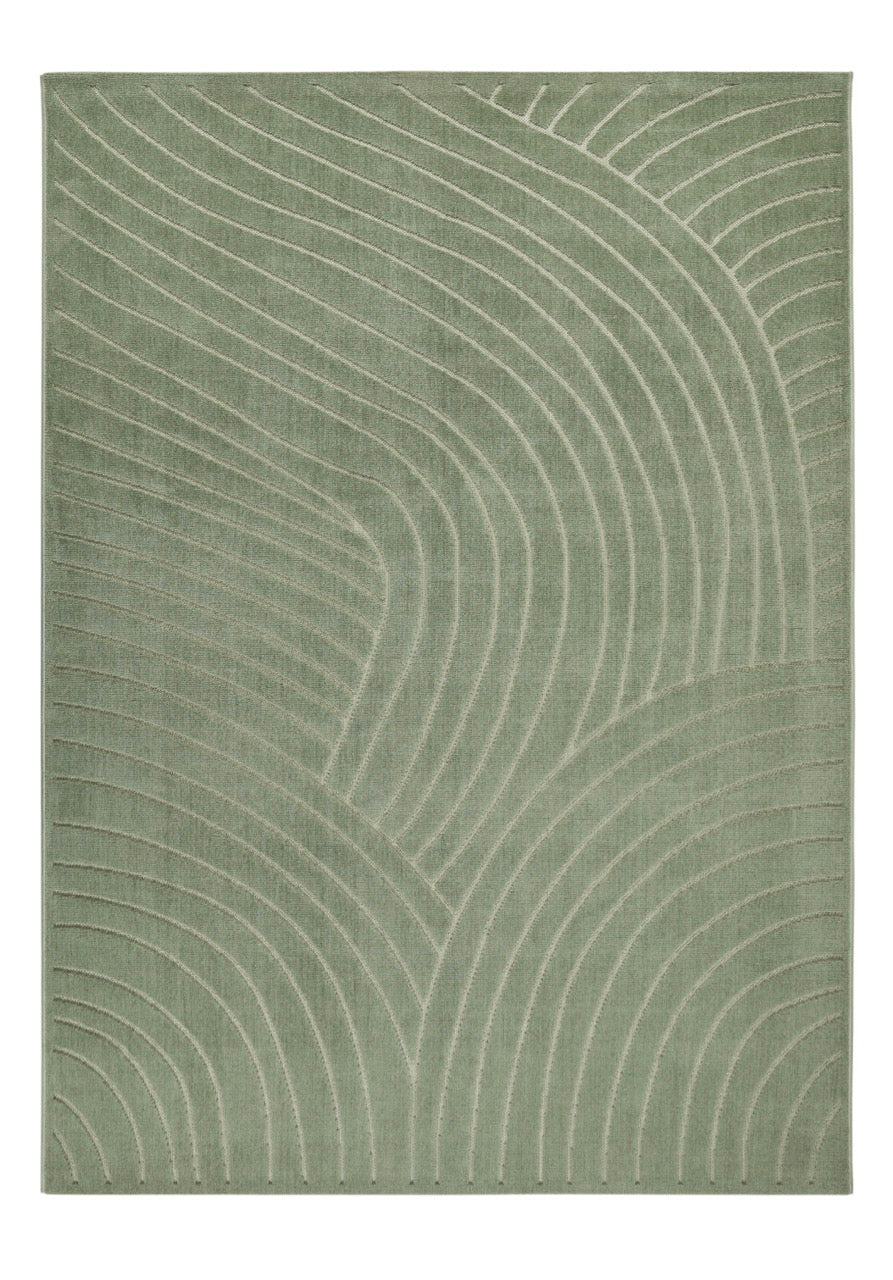
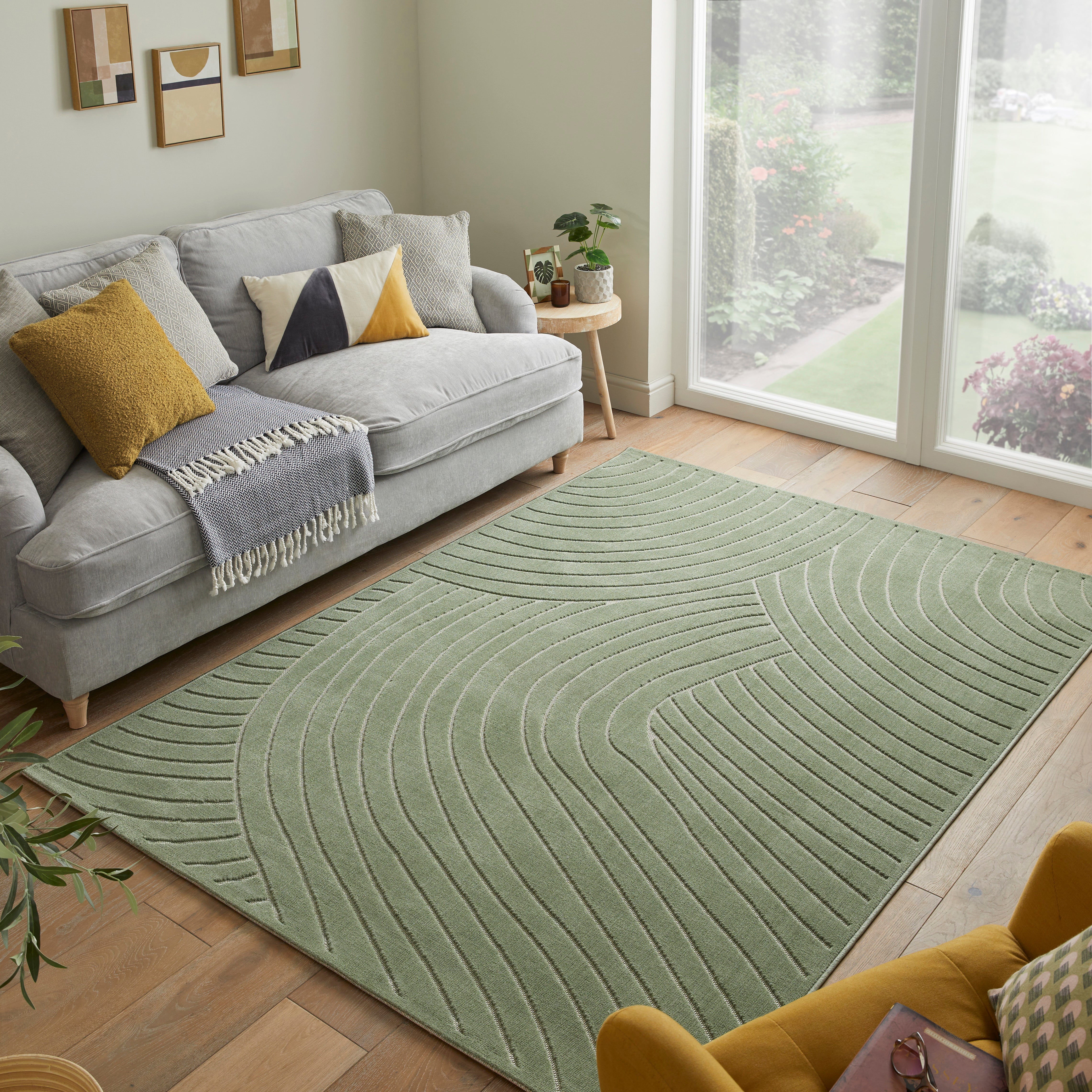
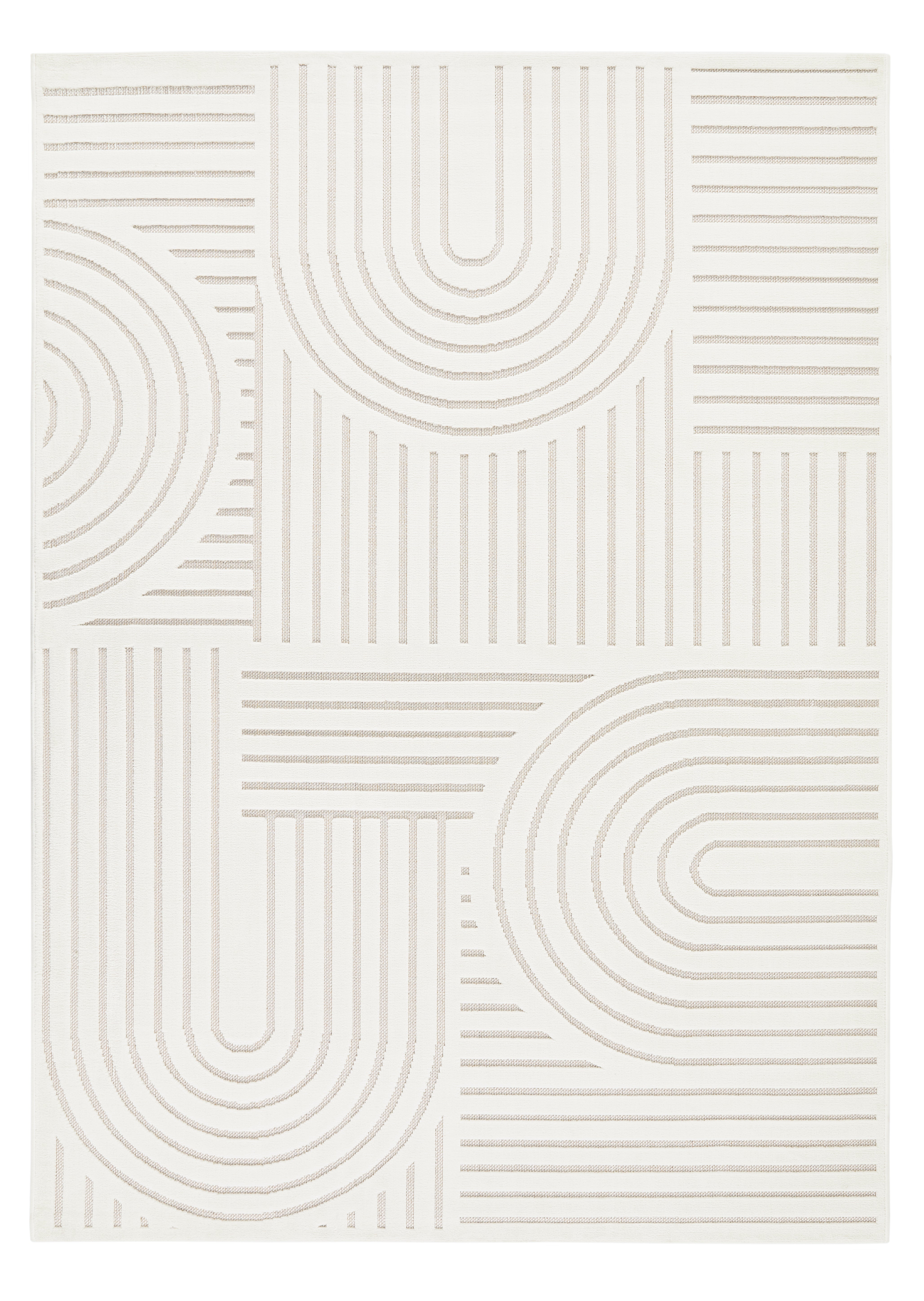
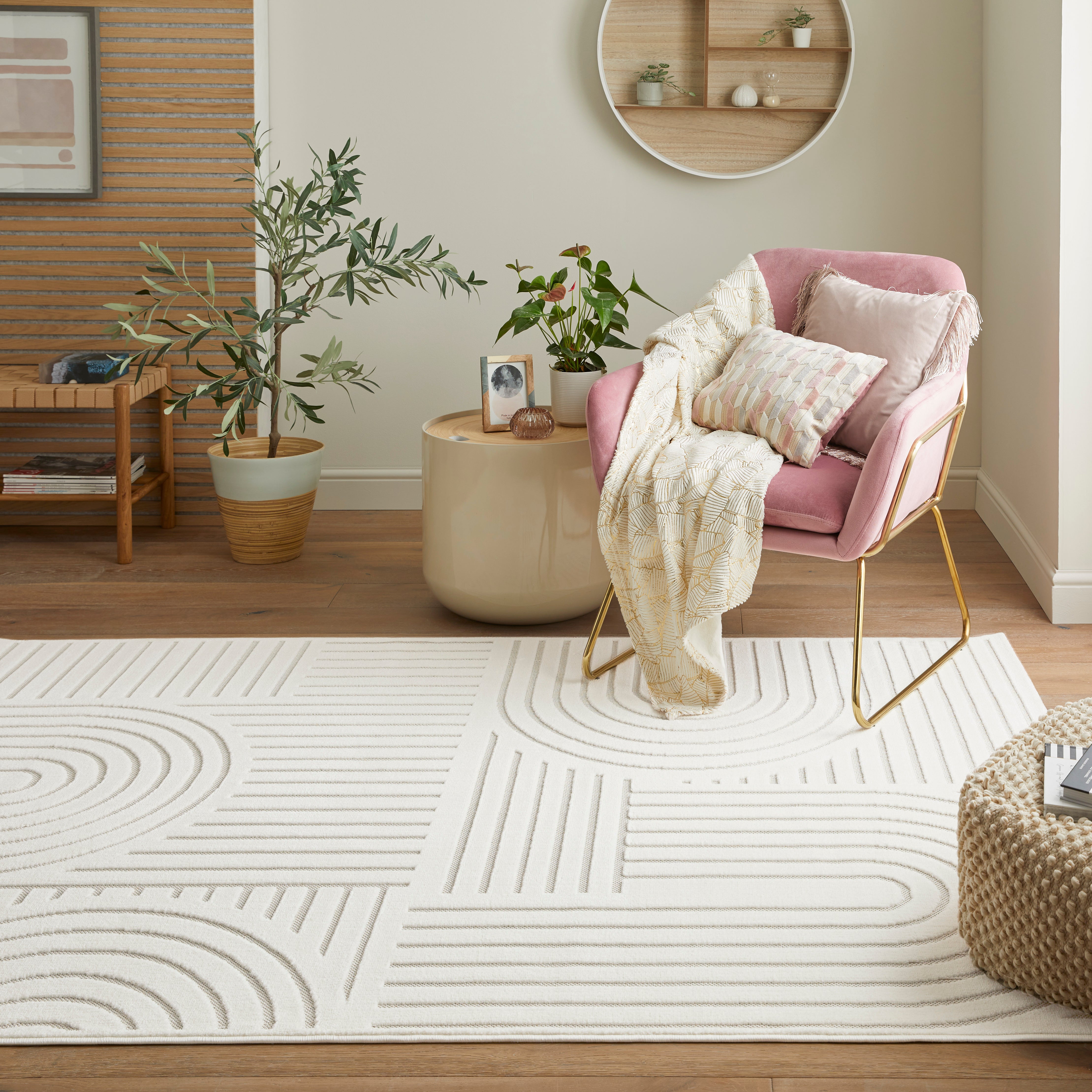
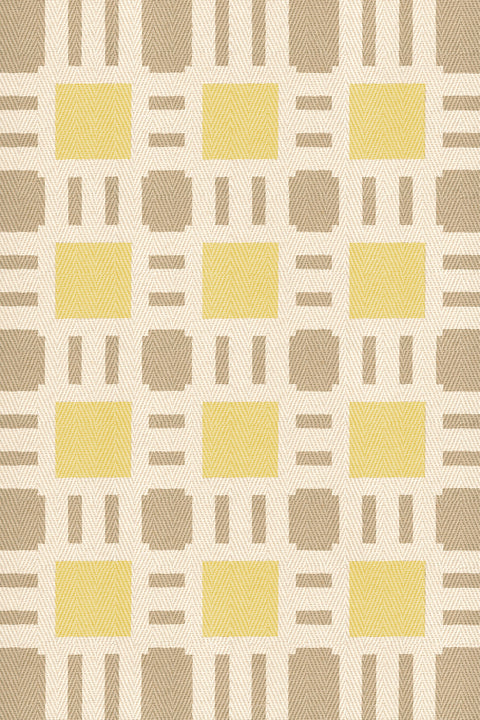
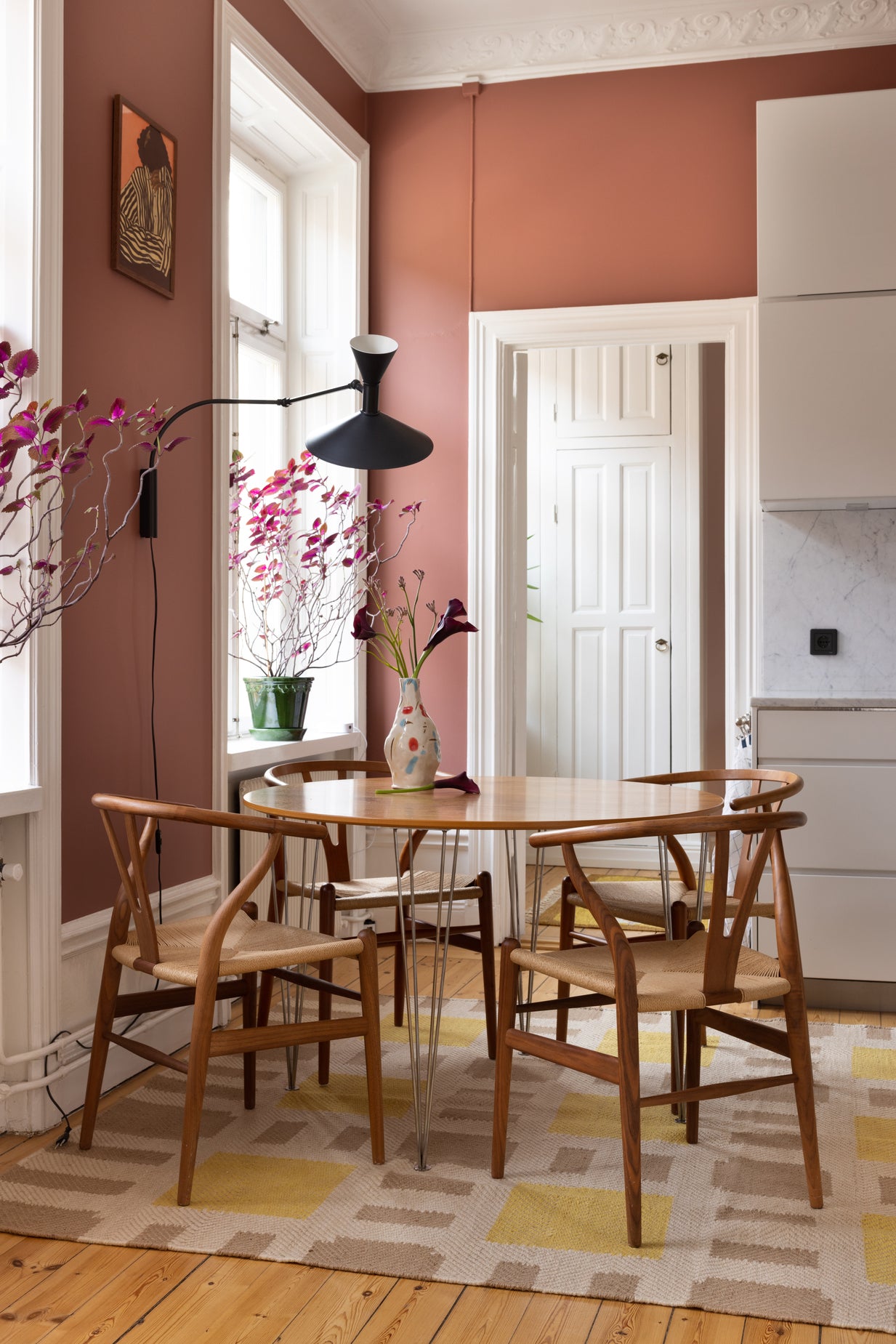
Retro Rugs: Bold Colour, Playful Pattern, Zero Apology
Retro rugs bring energy that neutral rugs simply can't match. They're pieces that reference mid-century optimism, 1970s warmth, and 1980s confidence without feeling like museum pieces. A retro rug introduces colour, pattern, and personality to spaces that might otherwise feel too safe or predictable. These aren't reproductions. They're contemporary rugs that borrow the best of past decades and make them work in homes designed for now.
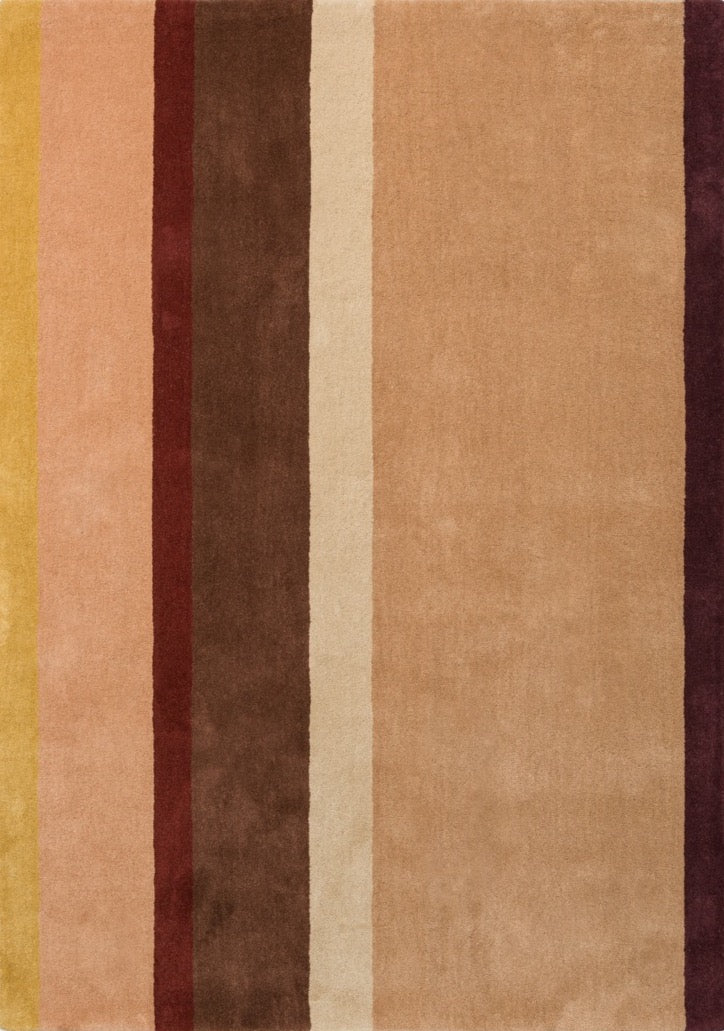
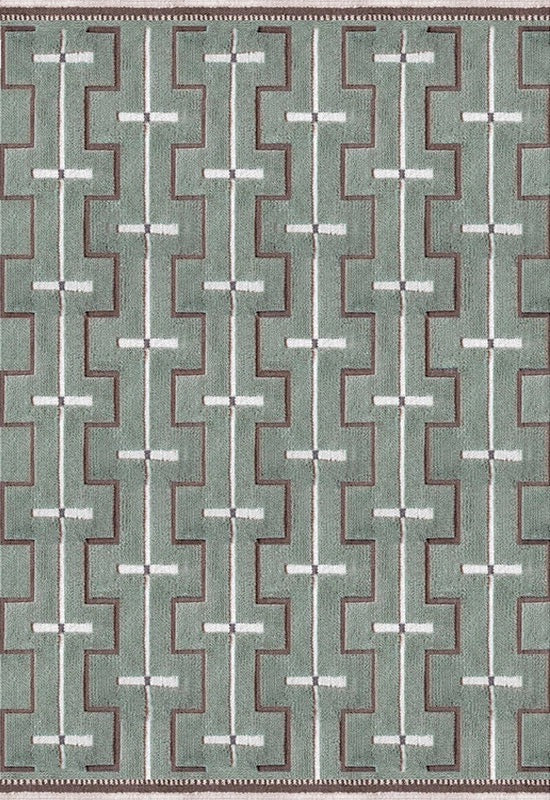
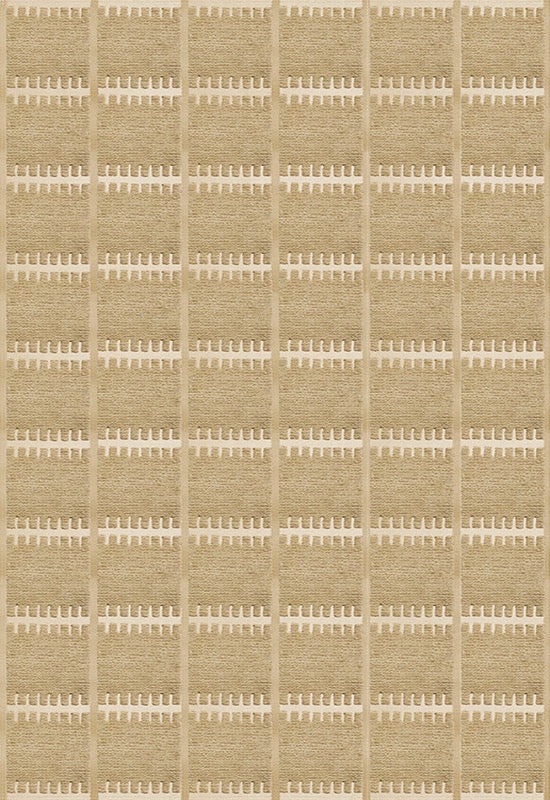
What makes a rug retro is confidence. Geometric patterns in mustard, teal, and burnt orange. Shag textures in rust and chocolate brown. Abstract shapes in saturated colours. These are rugs for people who understand that design can be fun without being frivolous, bold without being overwhelming. They work in modern interiors, mid-century spaces, and eclectic homes where personality matters as much as aesthetics.
Our retro rug collection features pieces that balance nostalgia with practicality. Some lean towards mid-century modernism with clean geometrics and warm tones. Others embrace 1970s playfulness with high-pile textures and organic shapes. Each rug has been chosen because it brings character without requiring you to commit to a full period aesthetic.
Where Retro Rugs Make an Impact
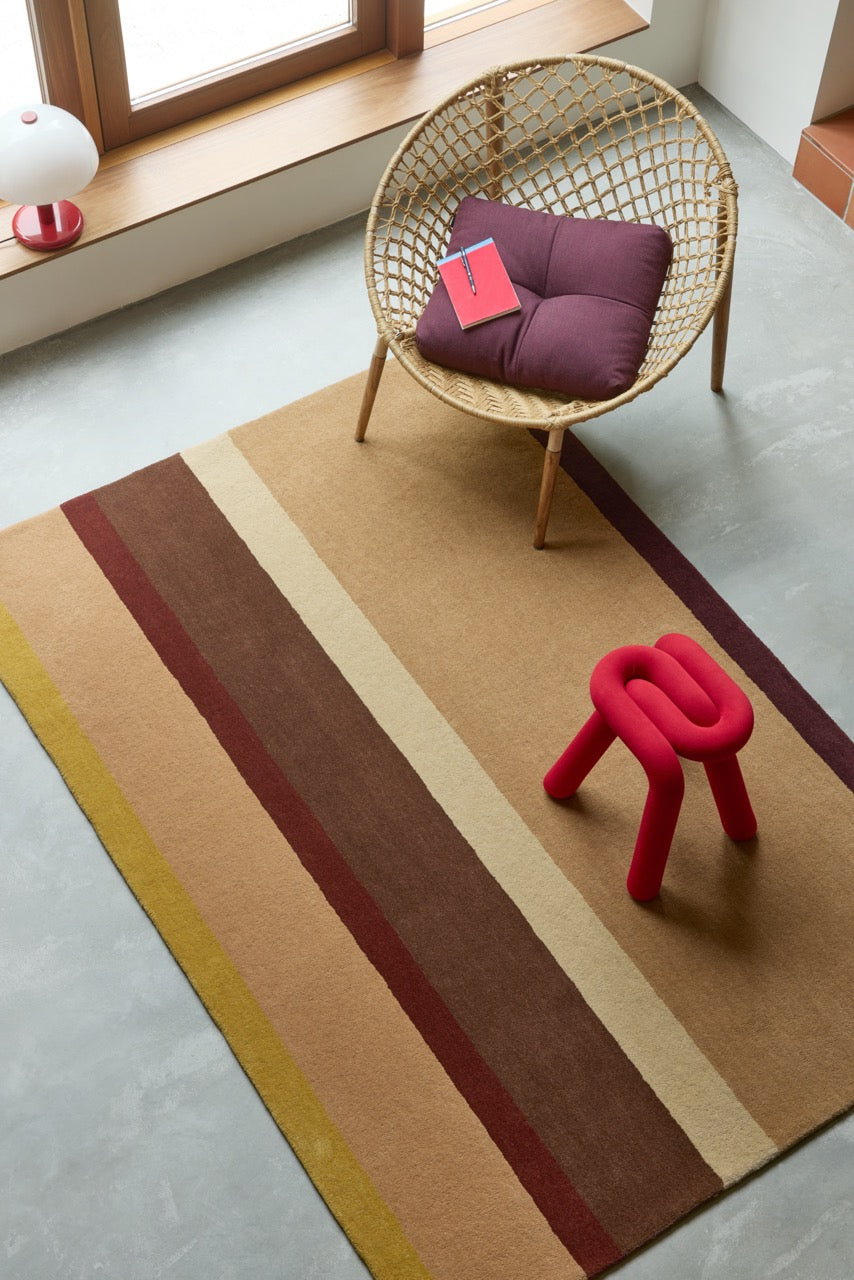
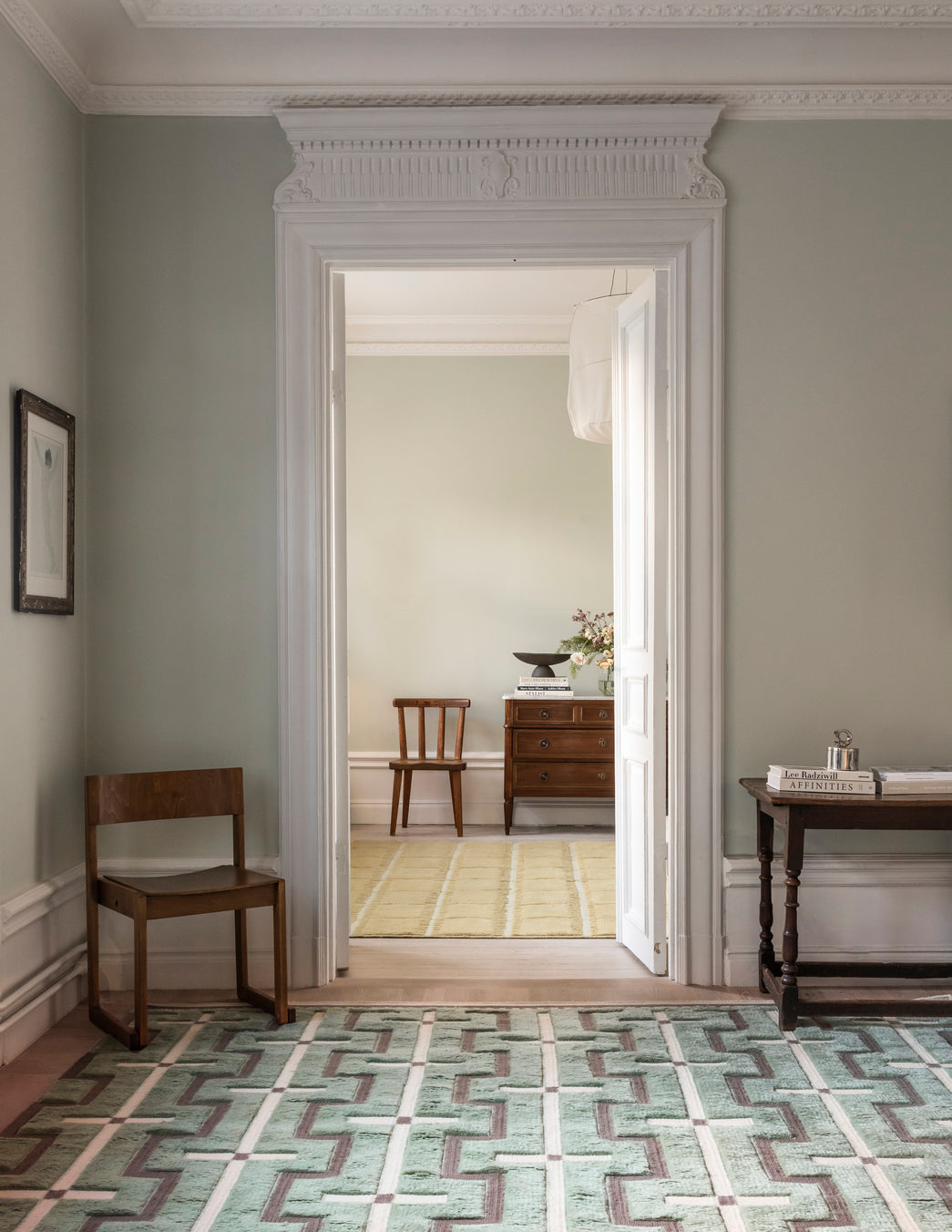
Living rooms are natural homes for retro rugs. A rug with bold geometrics or warm, saturated colours becomes the focal point, introducing personality without requiring patterned furniture or bold walls. The rug does the work of adding character, and everything else can remain simple. Pair it with contemporary furniture to create contrast and prevent the space from feeling too literal or theme-heavy.
Bedrooms suit retro rugs with softer palettes or high-pile textures. A shag rug in earthy tones like rust, olive, or chocolate brown adds warmth and nostalgia without disrupting rest. The deep pile creates comfort underfoot, making the room feel cosy and inviting. Choose designs where the colours are balanced and the pattern feels intentional rather than chaotic.
Dining rooms benefit from retro rugs that bring energy and formality. A flatweave or low-pile rug with bold geometrics or saturated colours adds sophistication and makes the space feel more considered. The pattern naturally camouflages spills and wear, making it practical as well as beautiful. Choose constructions that allow chairs to move smoothly.
Studies and creative spaces work well with retro rugs that bring energy without distraction. A rug with playful patterns or vibrant colours makes a workspace feel more dynamic and less utilitarian. The sense of optimism that retro design brings can make rooms where you work feel more inviting and inspiring.
Material, Texture, and What Works
Wool is the most versatile material for retro rugs. It holds dye well, so colours appear rich and saturated, essential for achieving the vibrancy that defines retro design. A wool retro rug works in high-traffic living rooms, dining rooms, and hallways where durability matters. It's also naturally stain-resistant, which makes it practical for daily use.
Shag rugs with high pile are synonymous with 1970s design, and they bring warmth and tactility that flatweaves can't match. The deep texture adds comfort and makes spaces feel cosy and inviting. However, shag rugs are less practical for high-traffic areas or dining rooms, as they trap crumbs and are harder to clean. They work best in bedrooms or living rooms where comfort is as important as aesthetics.
Flatweave constructions offer a more refined take on retro design. They're easier to clean and maintain, suited to dining rooms and hallways where practicality matters. A flatweave retro rug with bold geometrics or saturated colours brings the energy of retro design without the maintenance challenges of high-pile constructions.
Colour is what makes retro rugs distinctive. Warm tones like mustard, burnt orange, teal, rust, and olive green define mid-century and 1970s aesthetics. Brighter, more saturated colours like hot pink, electric blue, and vibrant yellow reference 1980s boldness. The colour palette you choose affects how the rug reads in a space, so consider the mood you want to create.
Styling and Living With Retro Rugs
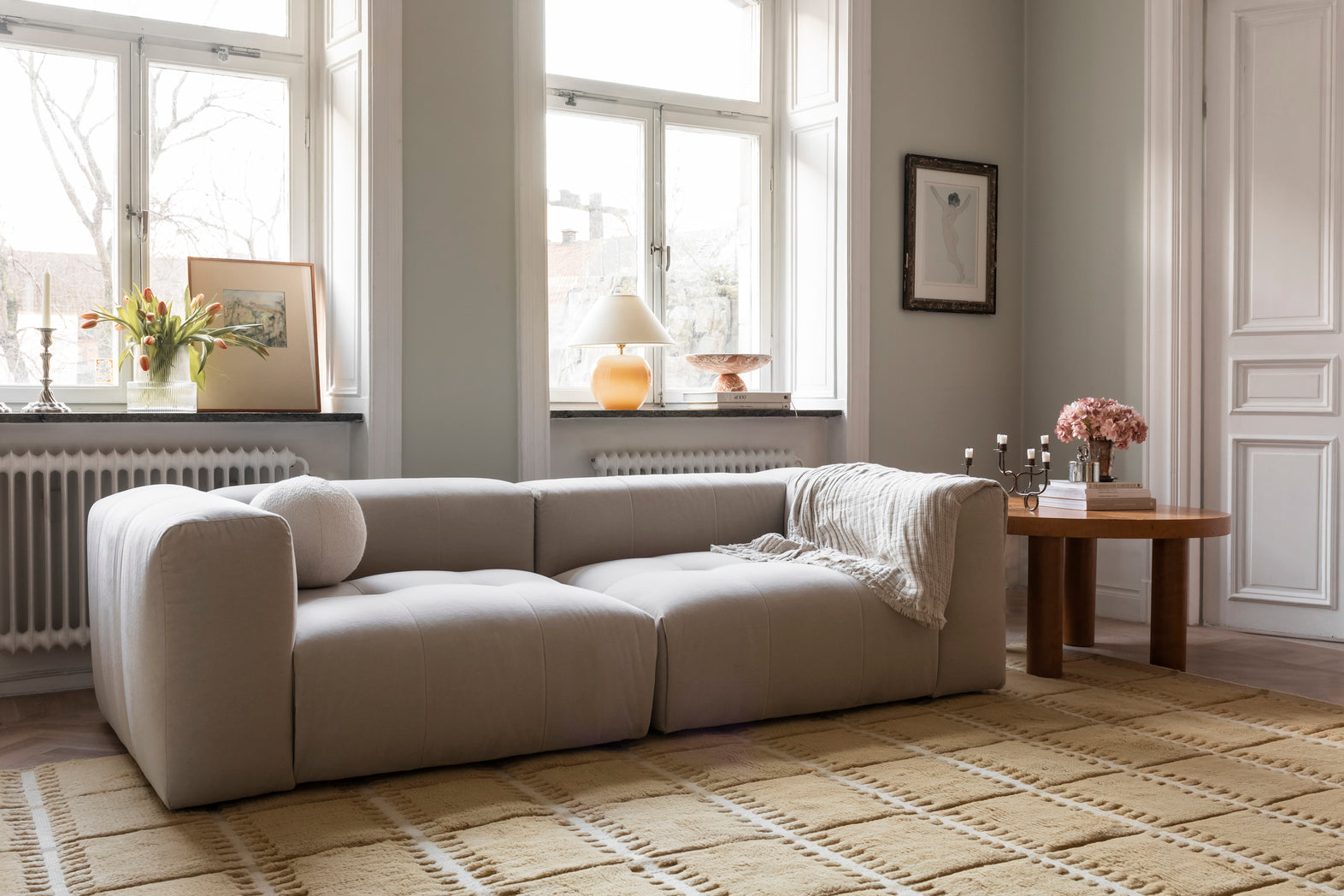
The most effective approach is pairing retro rugs with contemporary furniture. A mid-century-inspired rug beneath a modern sofa creates contrast and keeps the space grounded in the present. The rug brings nostalgia and personality, while the furniture prevents the room from feeling like a period recreation. Keep the rest of the room simple. Retro rugs already provide colour and pattern, so furniture and accessories should remain relatively minimal.
You can pull accent colours from the rug into smaller elements like cushions or artwork, but do so sparingly. One or two accent pieces in complementary tones create cohesion. Too many, and the room feels busy rather than balanced. The goal is to let the rug create the visual interest while everything else supports rather than competes.
Retro rugs are forgiving when it comes to stains and wear. The variety of colours and the complexity of patterns mean that minor marks are less noticeable than they would be on a solid-coloured rug. This makes them practical for high-traffic areas or homes with children and pets. Hoover weekly to keep colours vibrant. Treat spills by blotting rather than rubbing. For wool retro rugs, professional cleaning annually preserves the richness of the colours. Shag rugs benefit from occasional professional cleaning to maintain their texture and prevent matting.
If your space is already neutral, a retro rug introduces colour and personality without requiring you to change anything else. If you have existing colour, choose a rug where the tones complement rather than clash. Think about the mood you want to create. Mid-century geometrics for sophistication, 1970s shag for warmth, bold graphics for energy. The right retro rug doesn't just add pattern. It brings personality, optimism, and a sense that your space belongs to someone who knows what they want.