
Collection: Round Rugs
Wool, designer and natural textures.


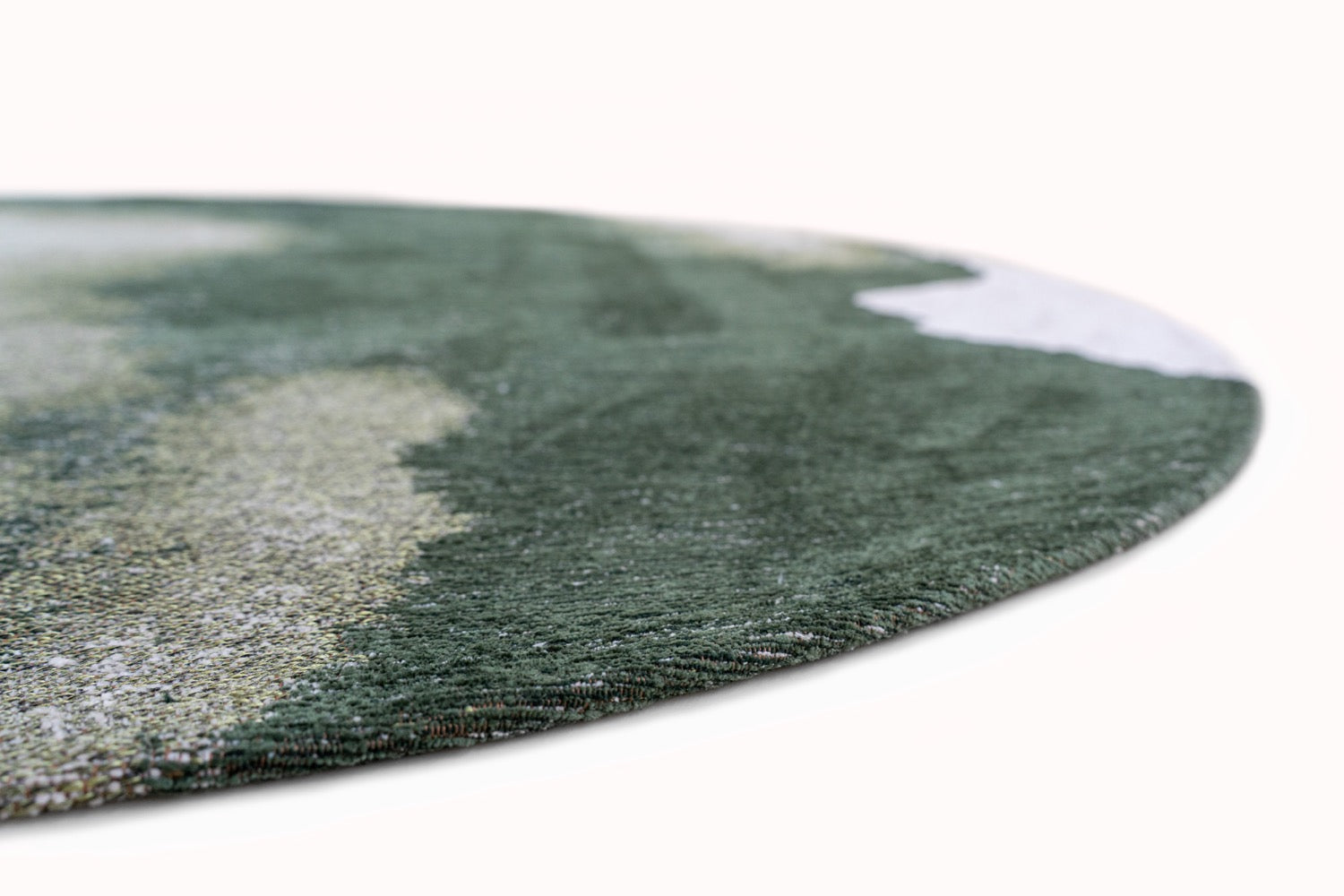
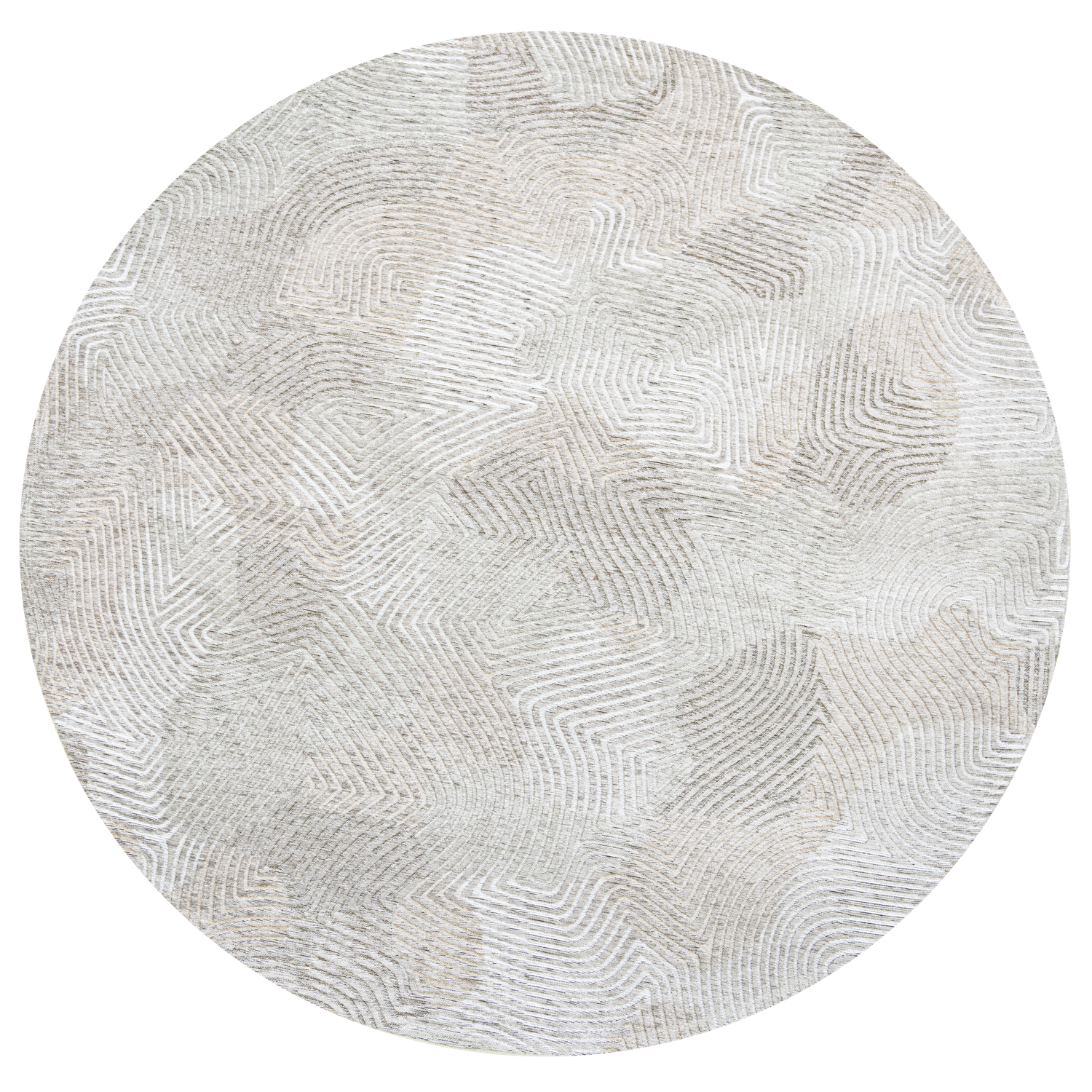
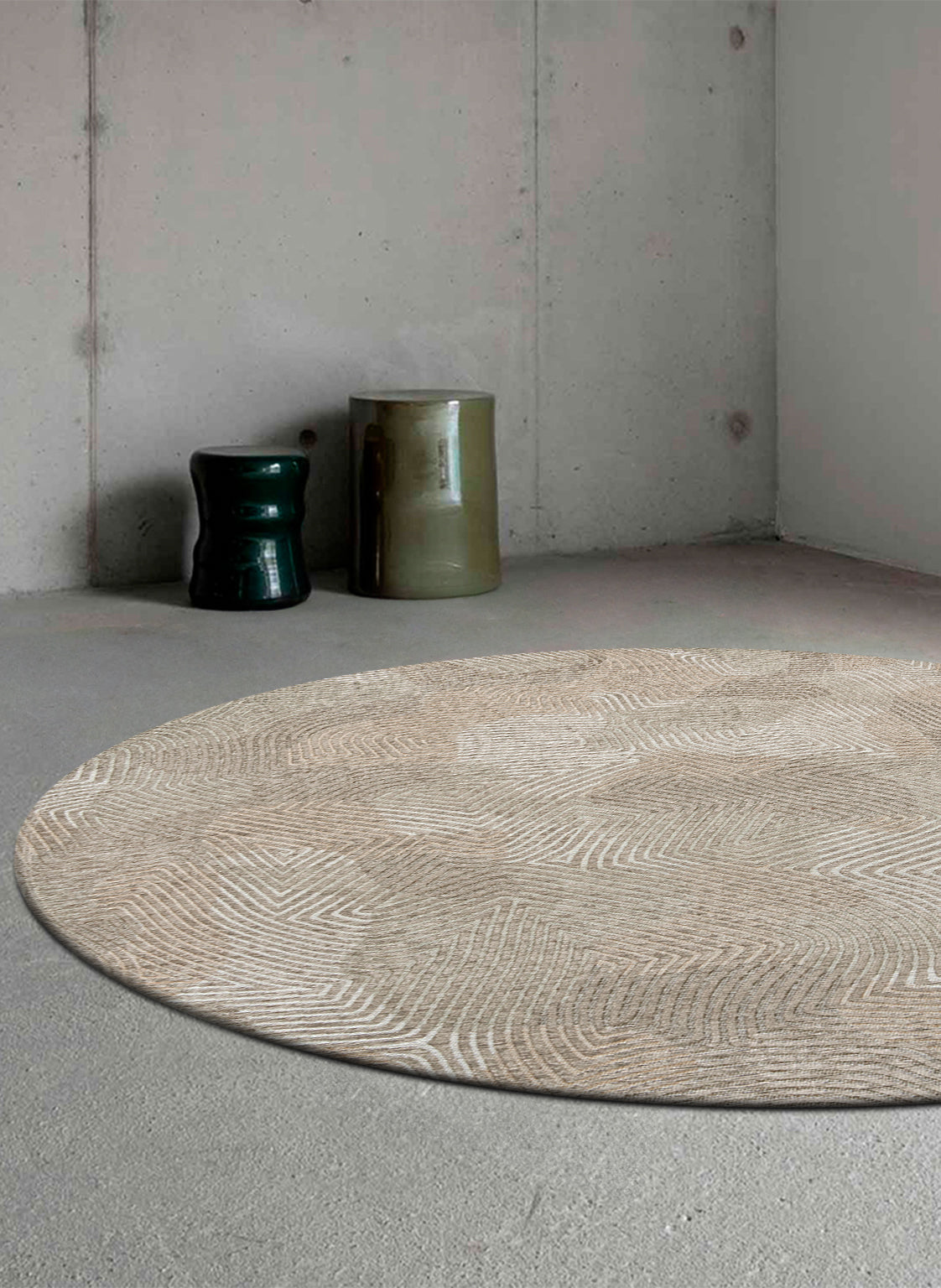
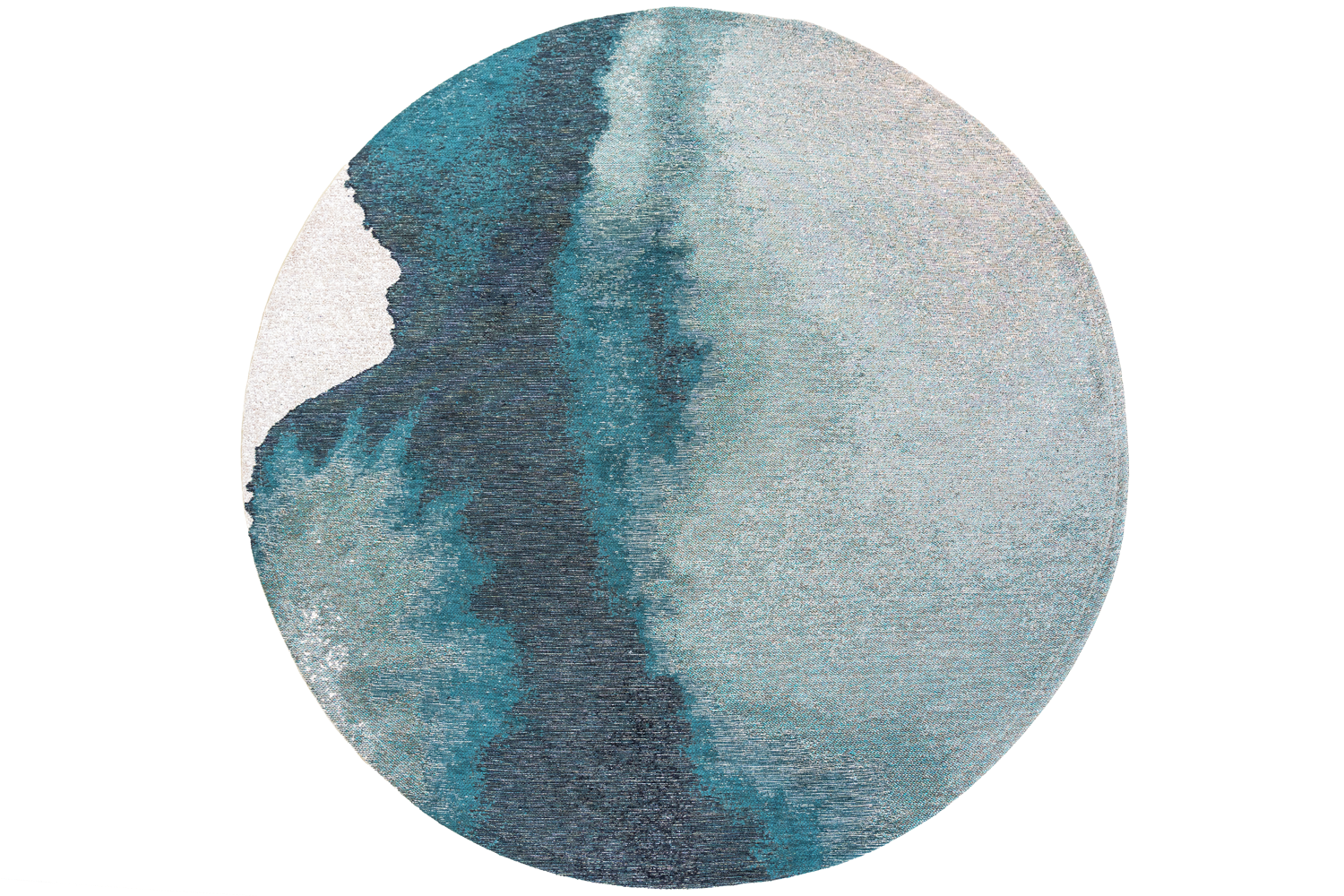

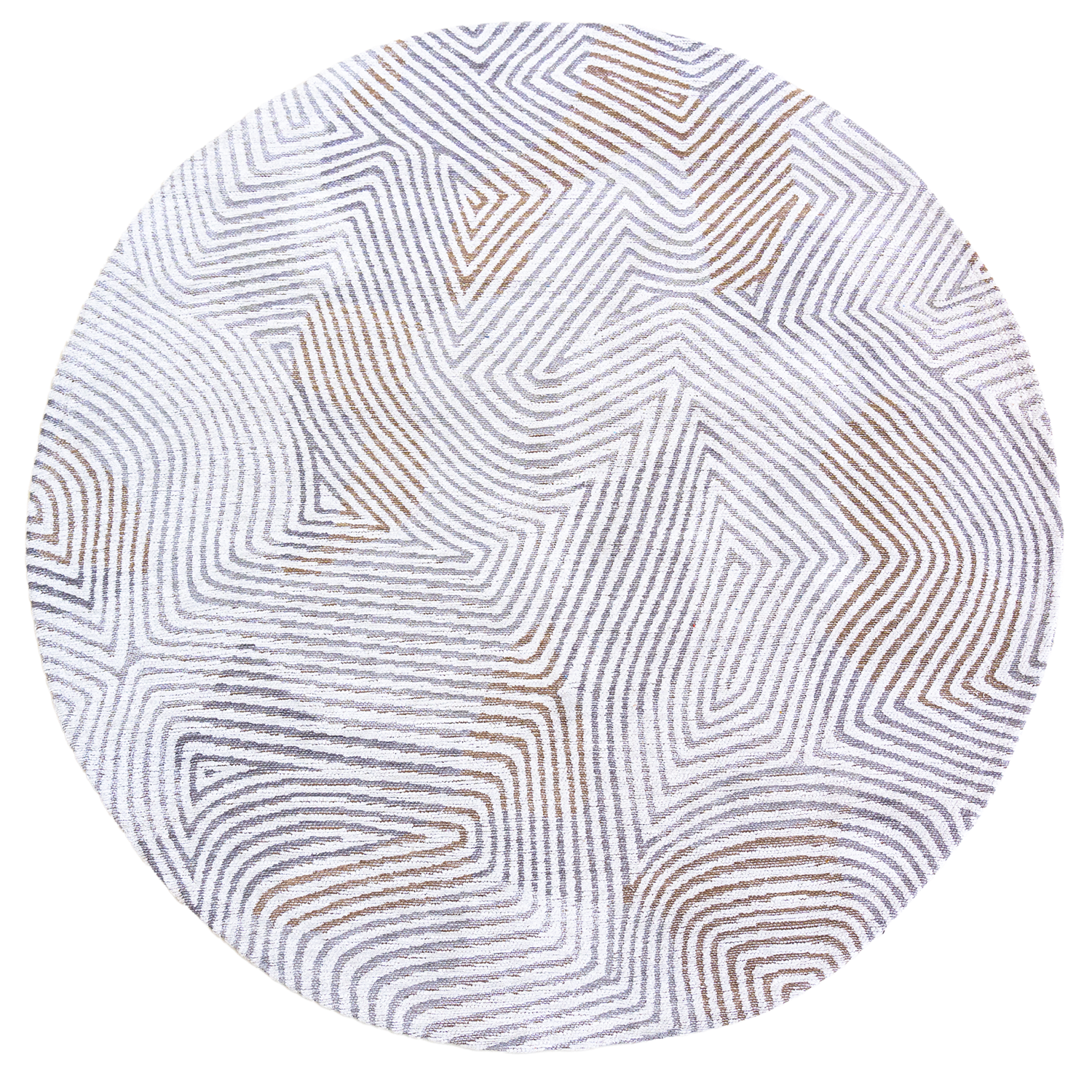


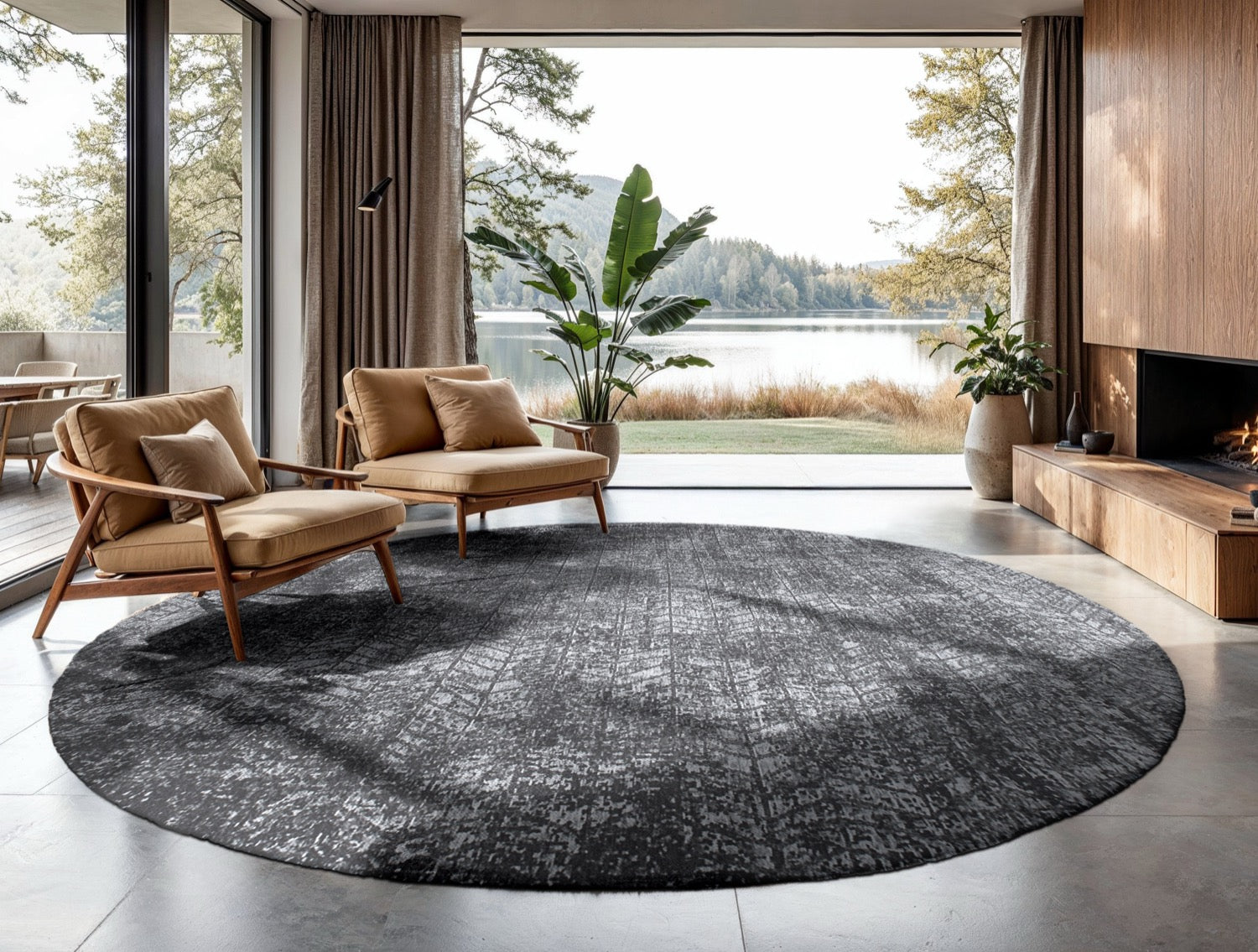


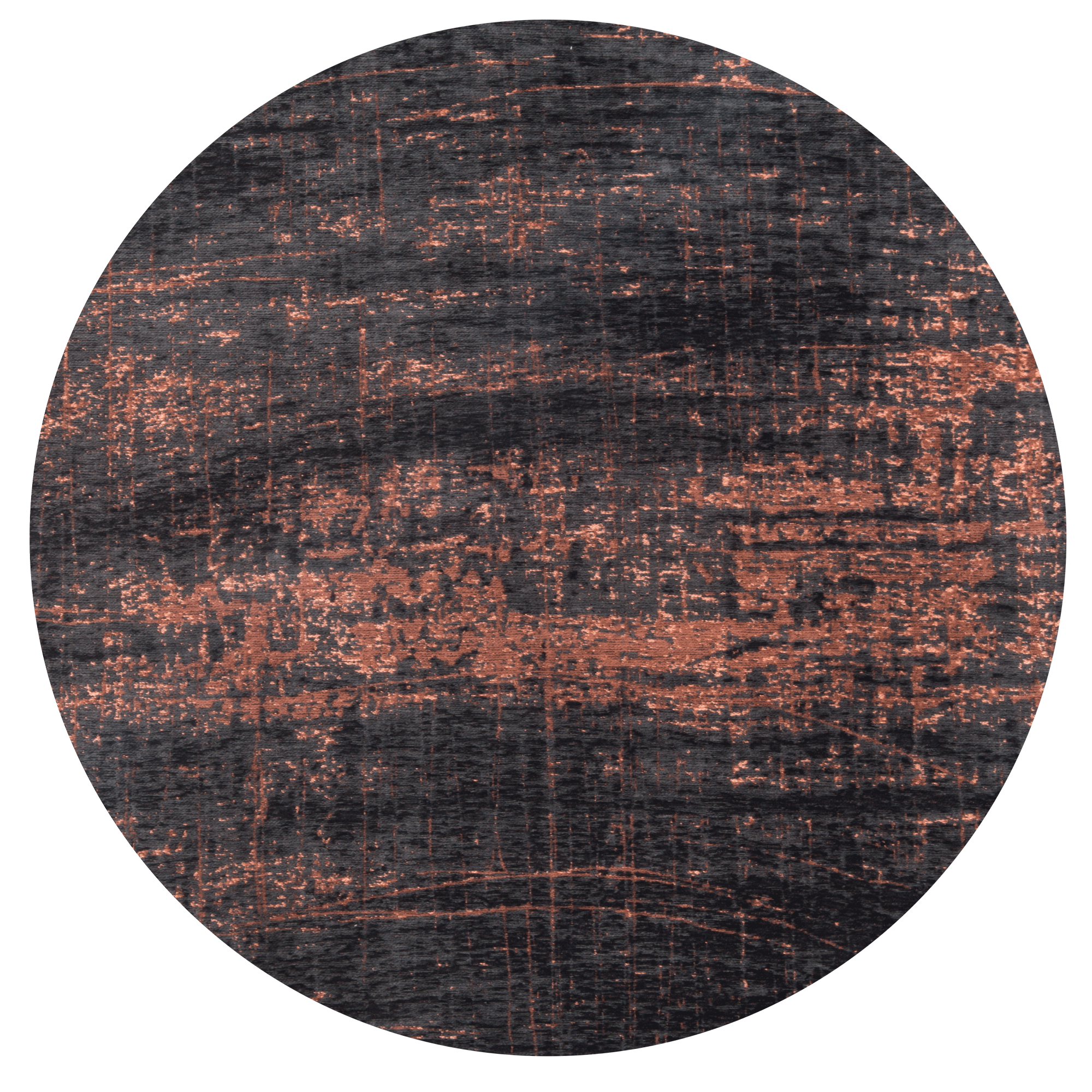
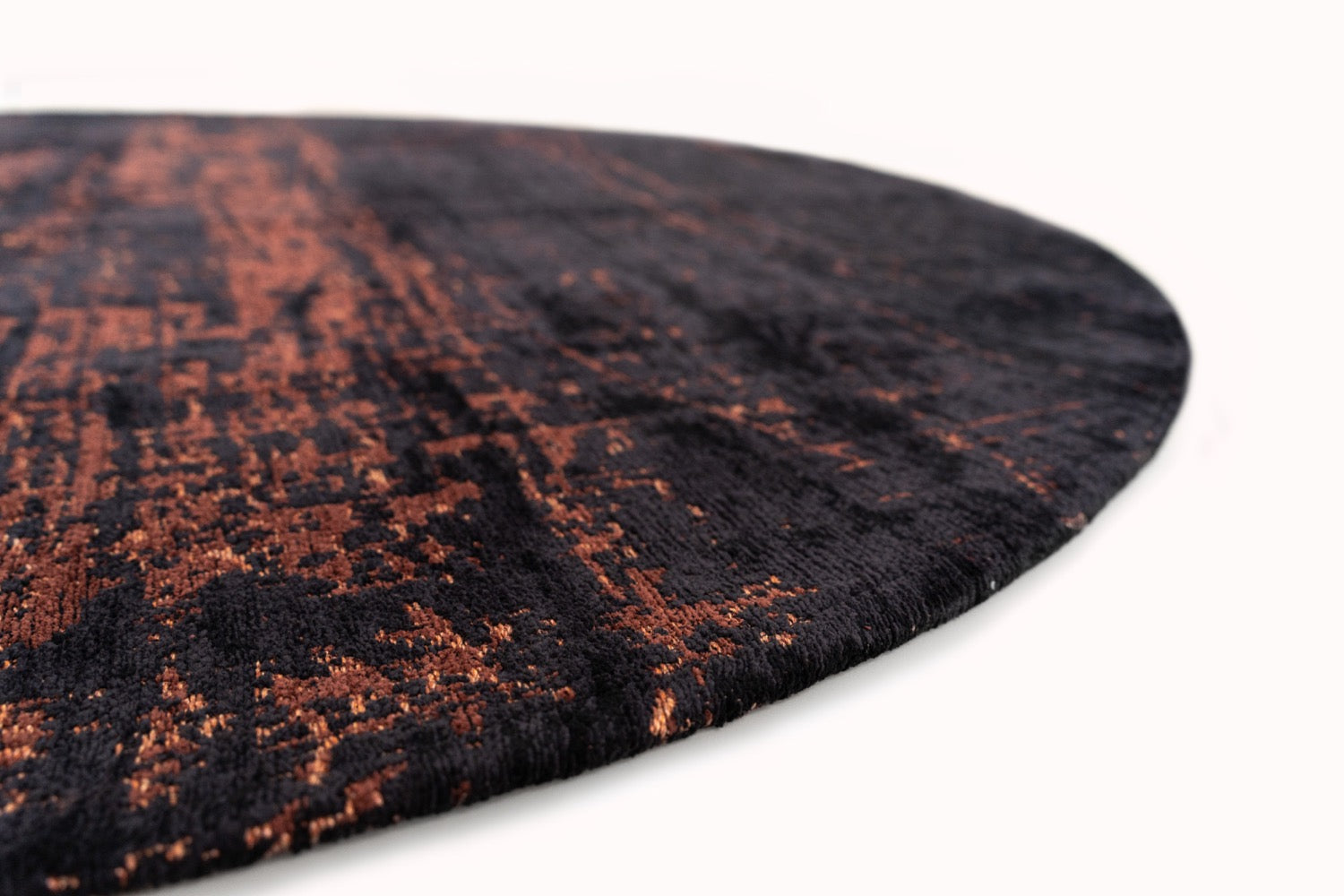
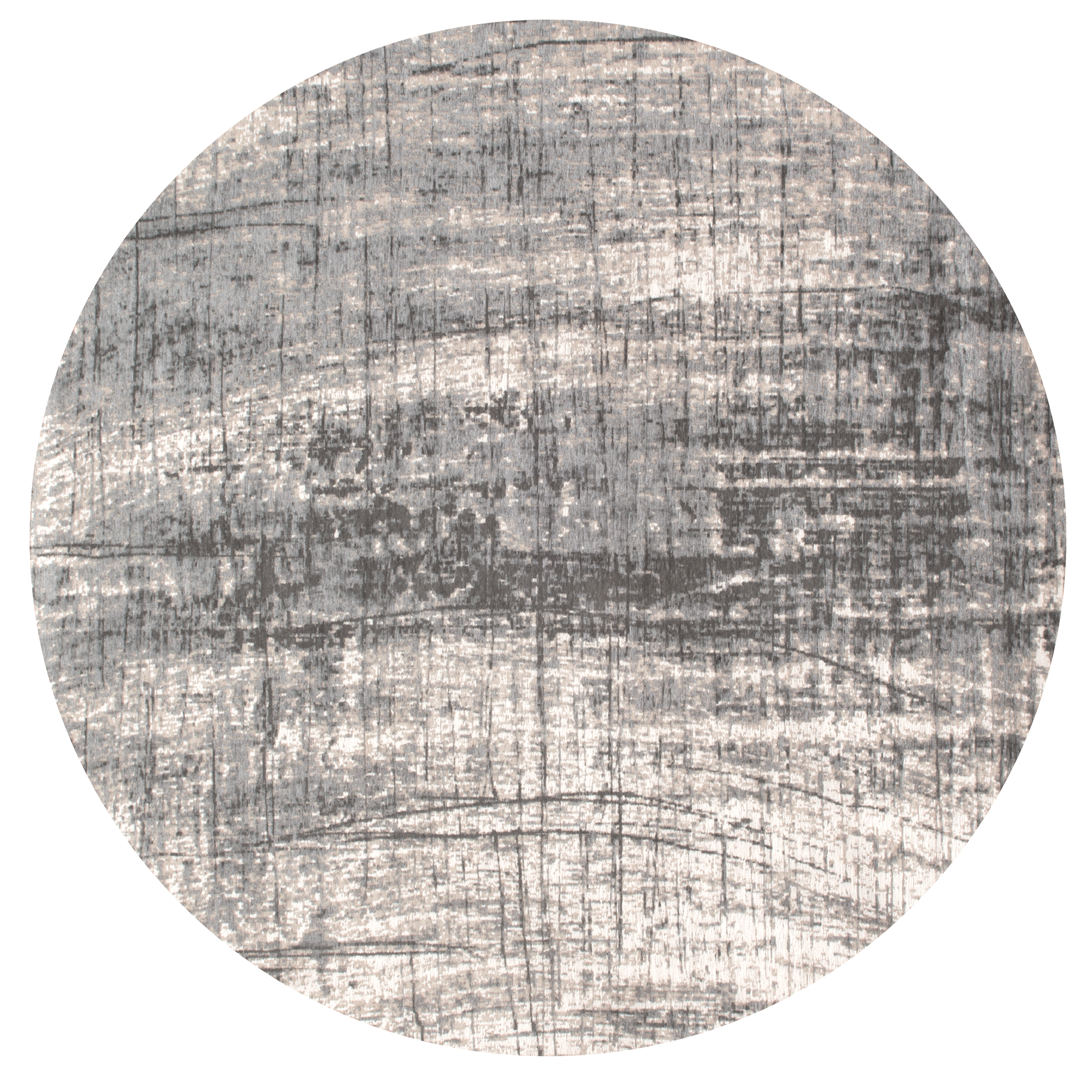
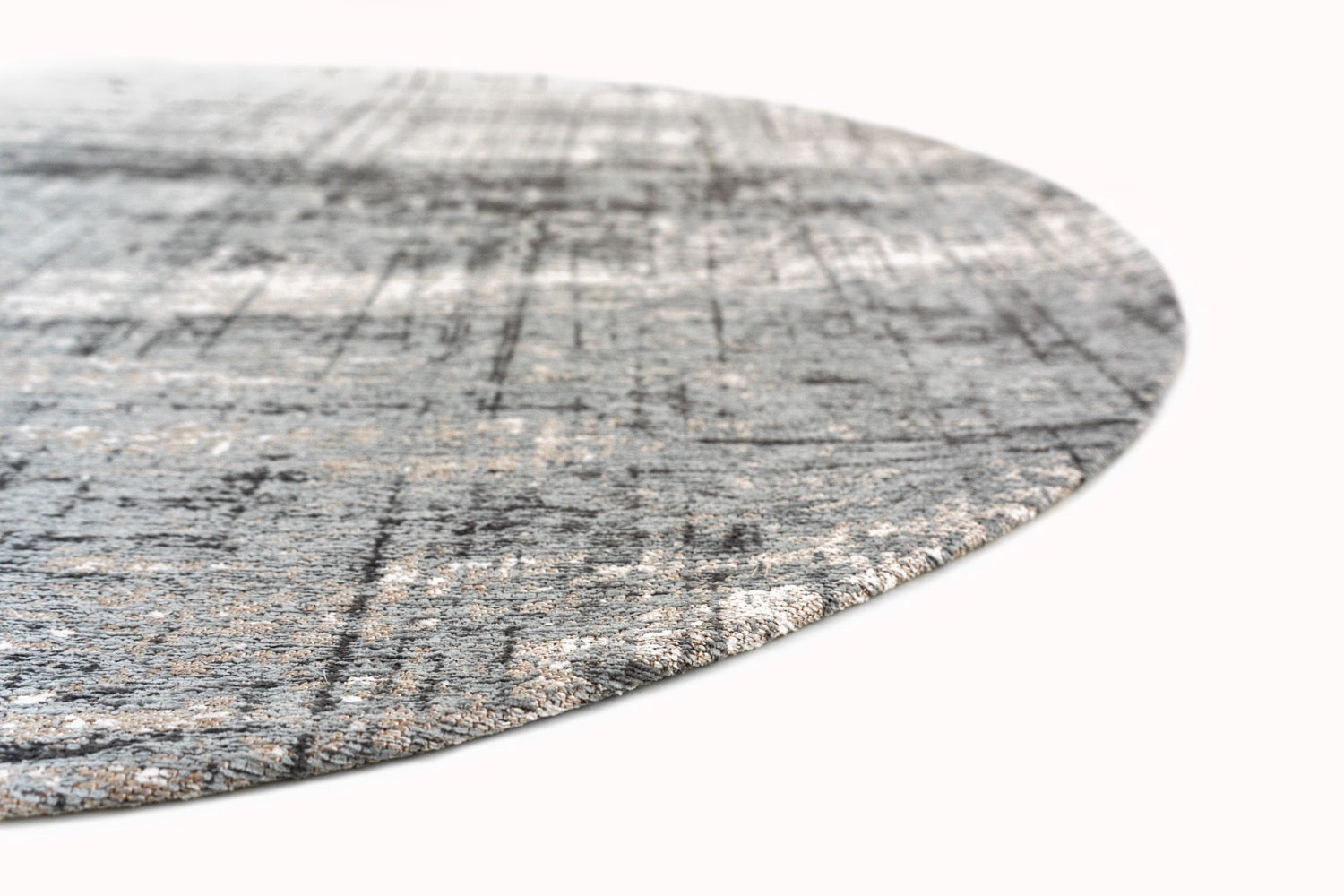
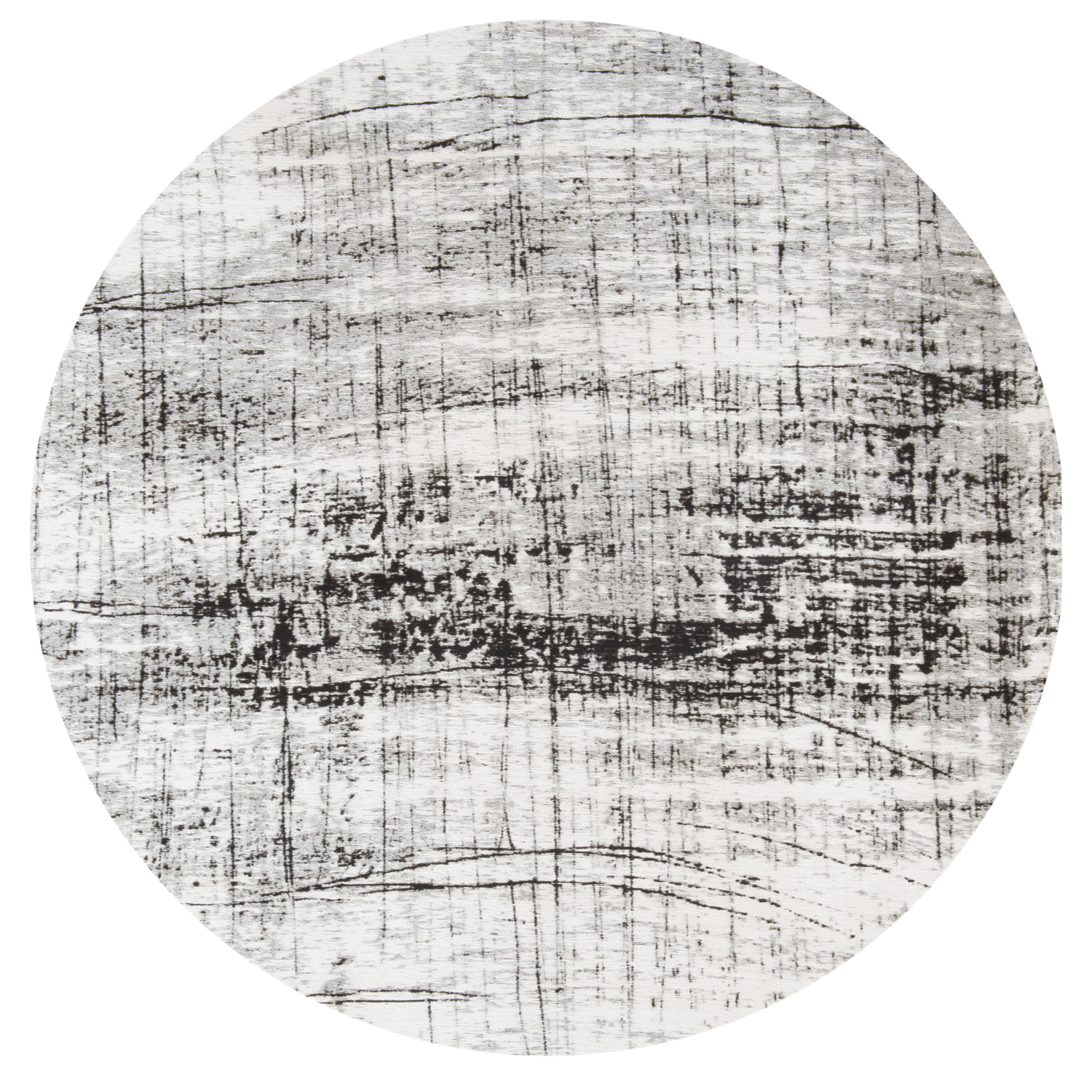
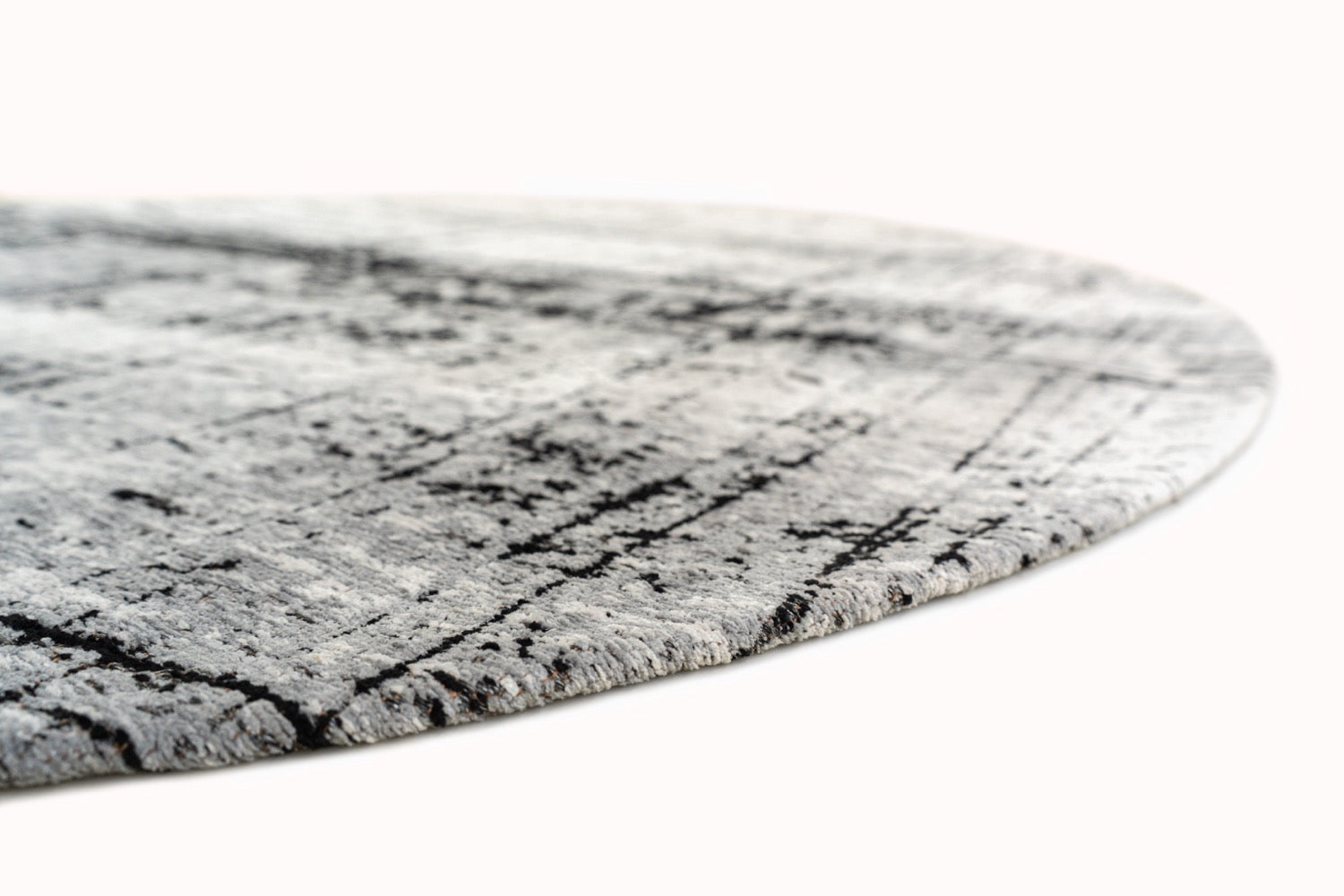
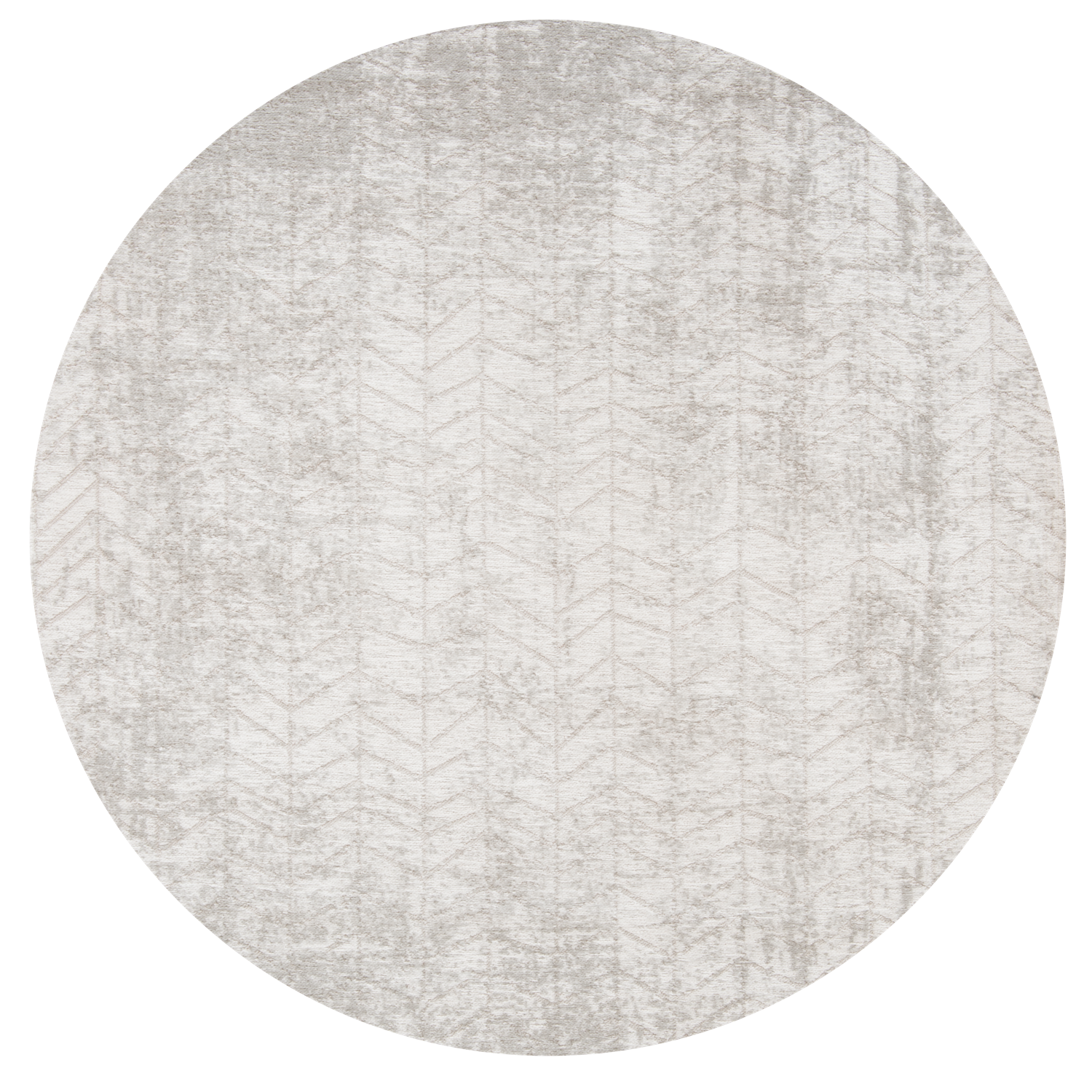
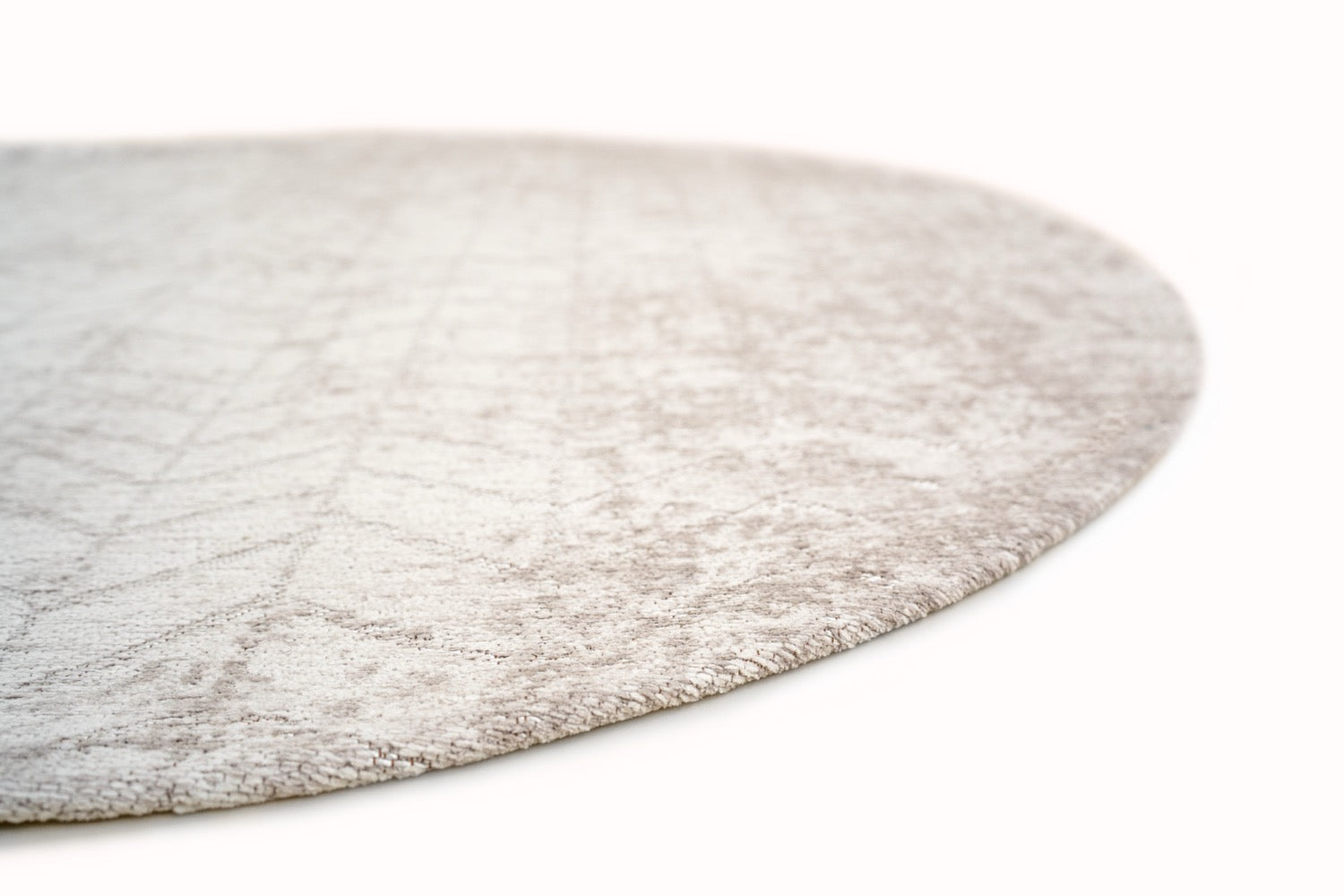
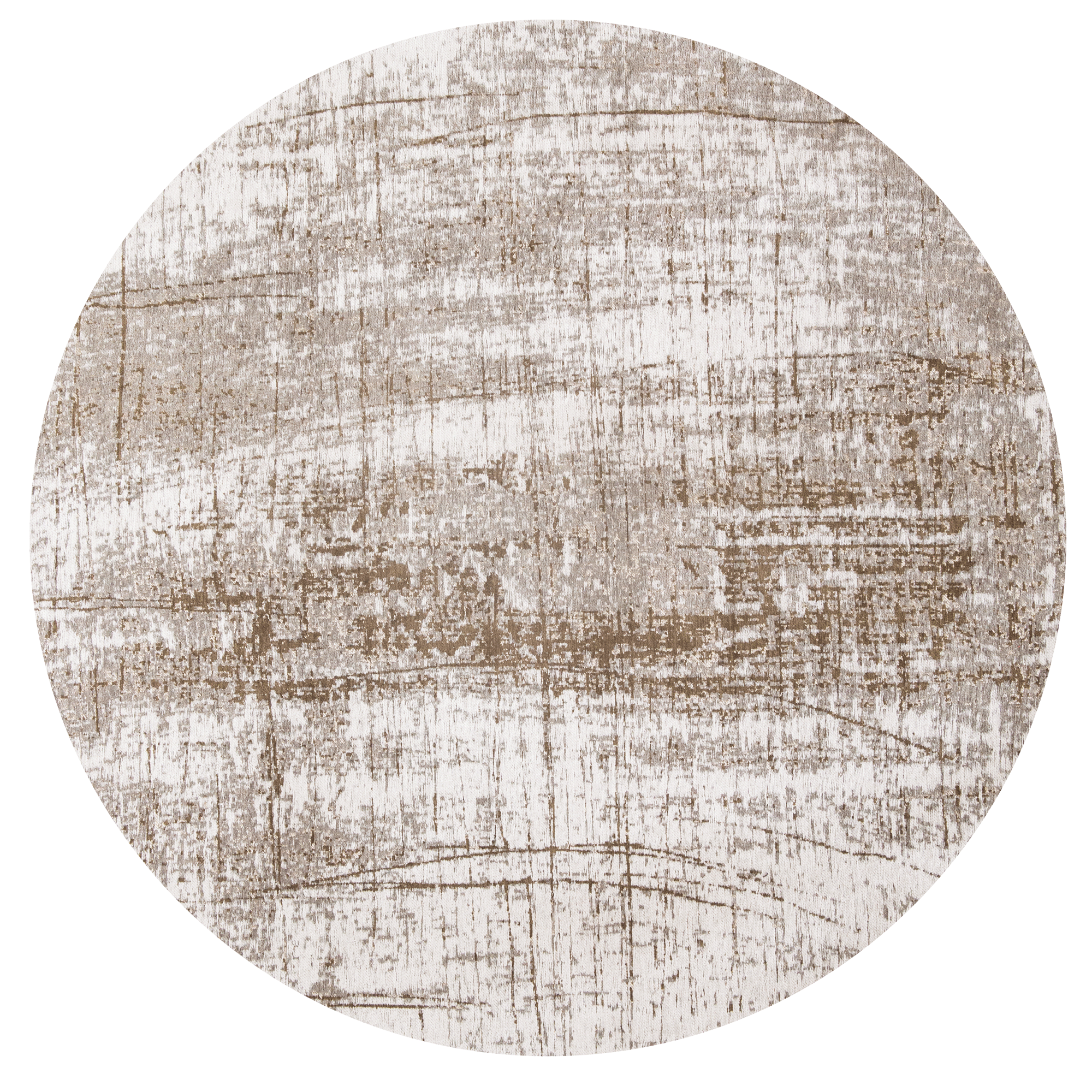
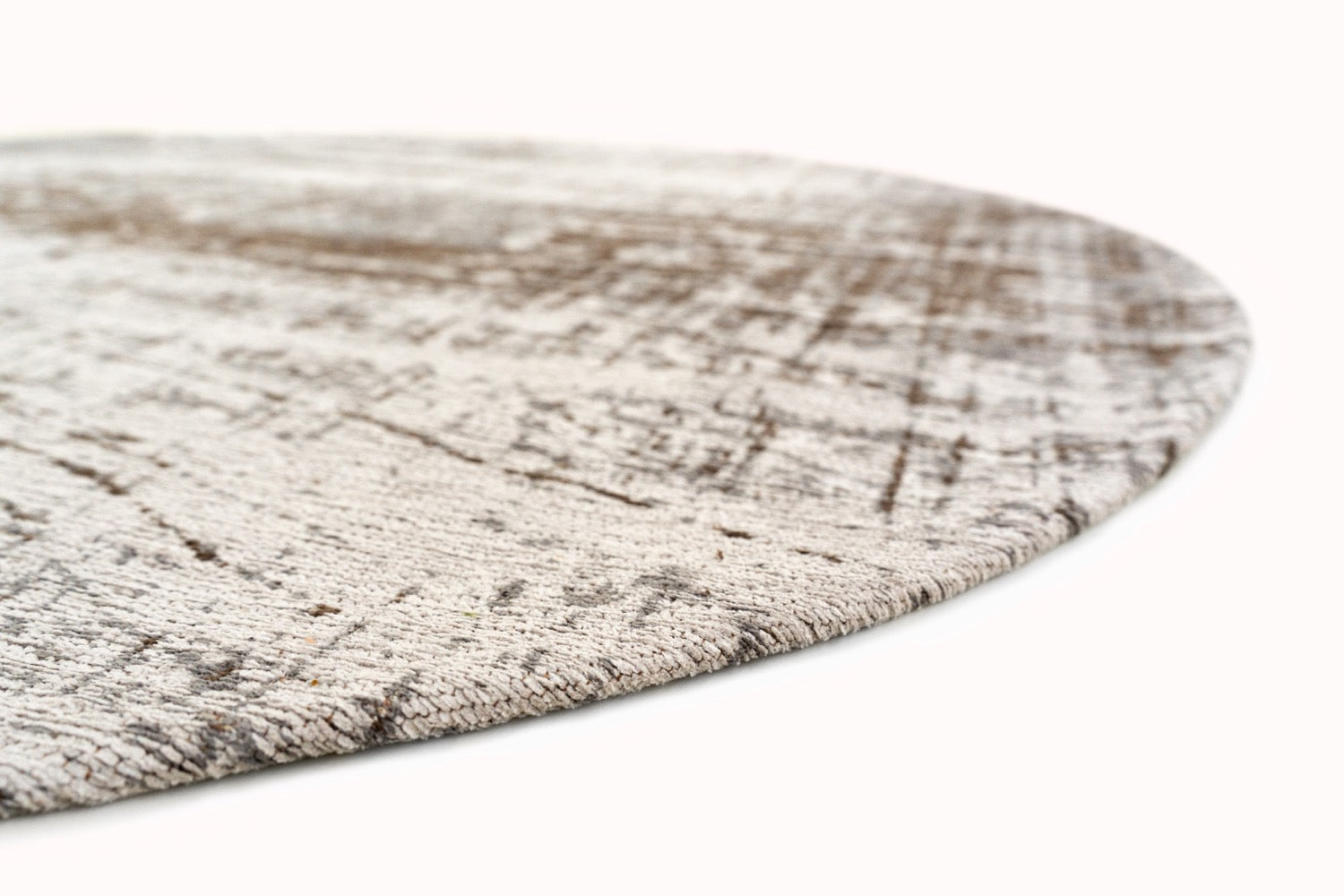


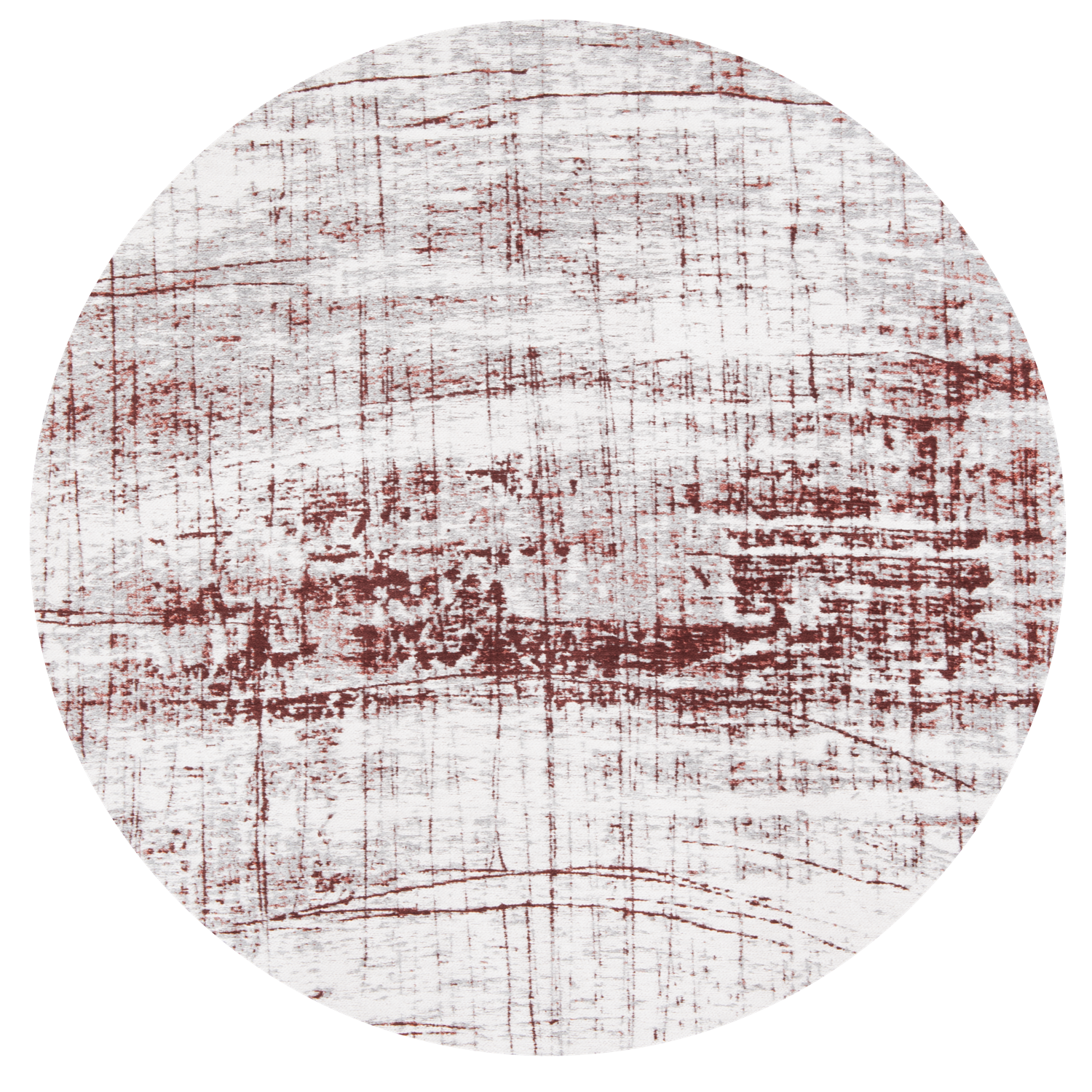
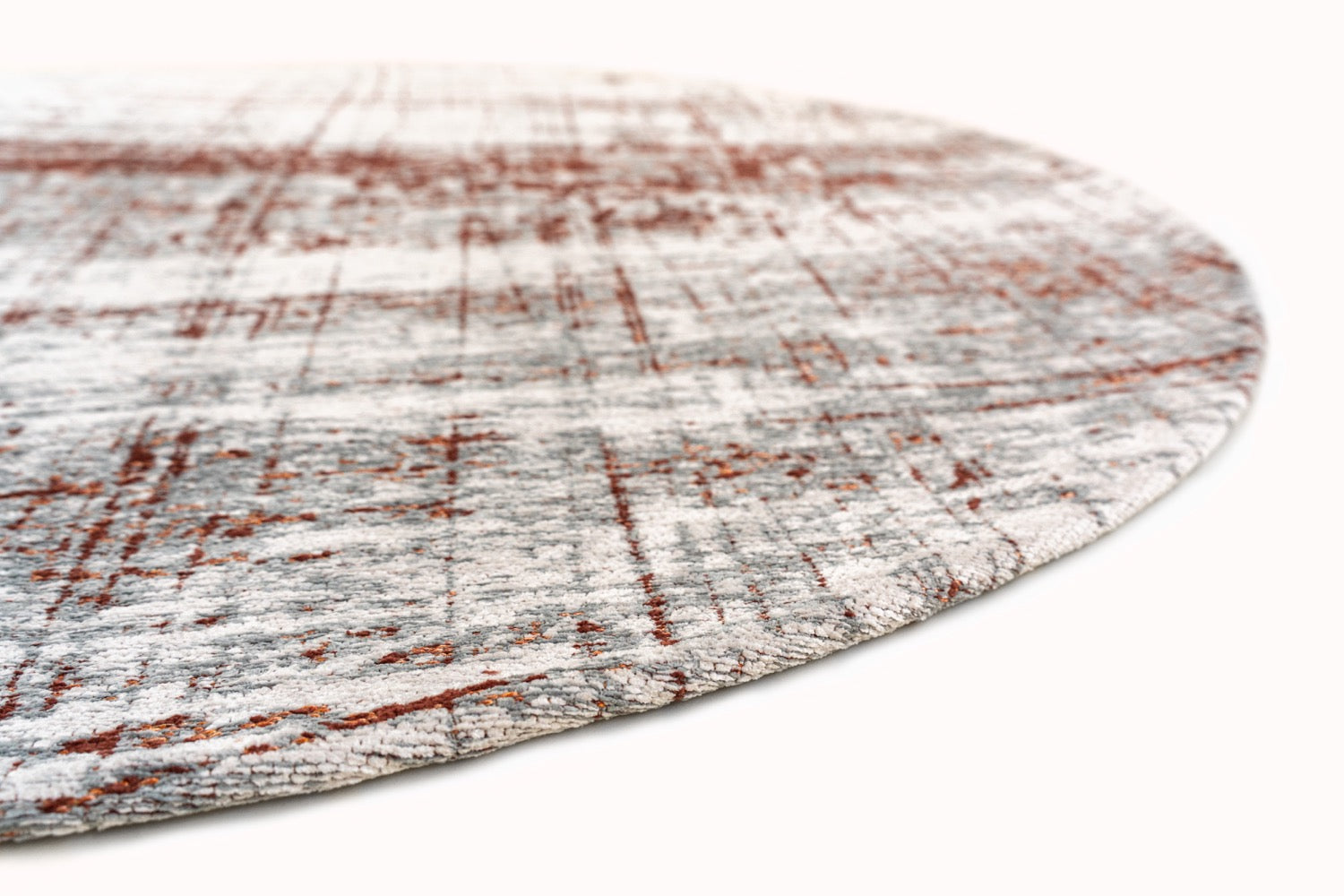
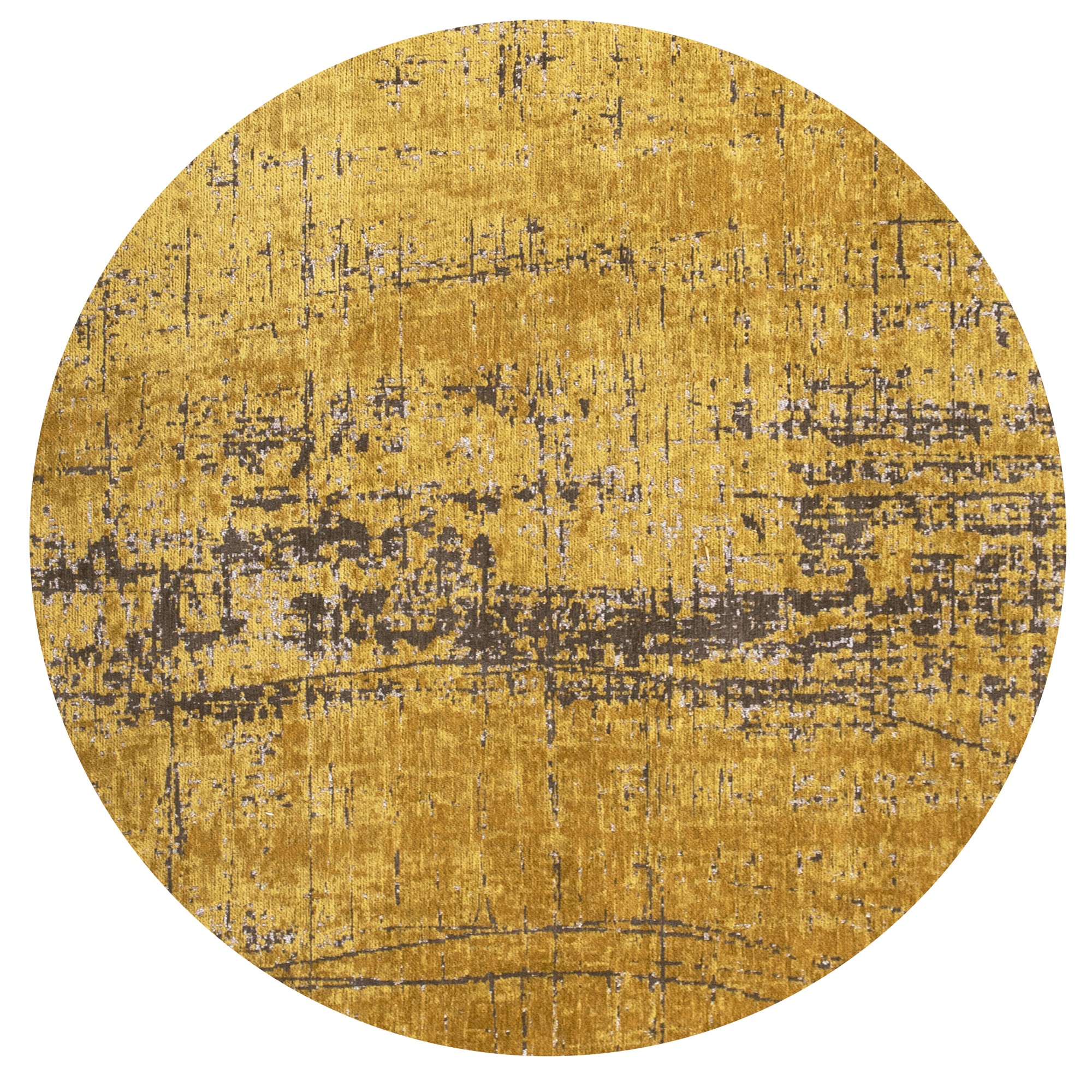


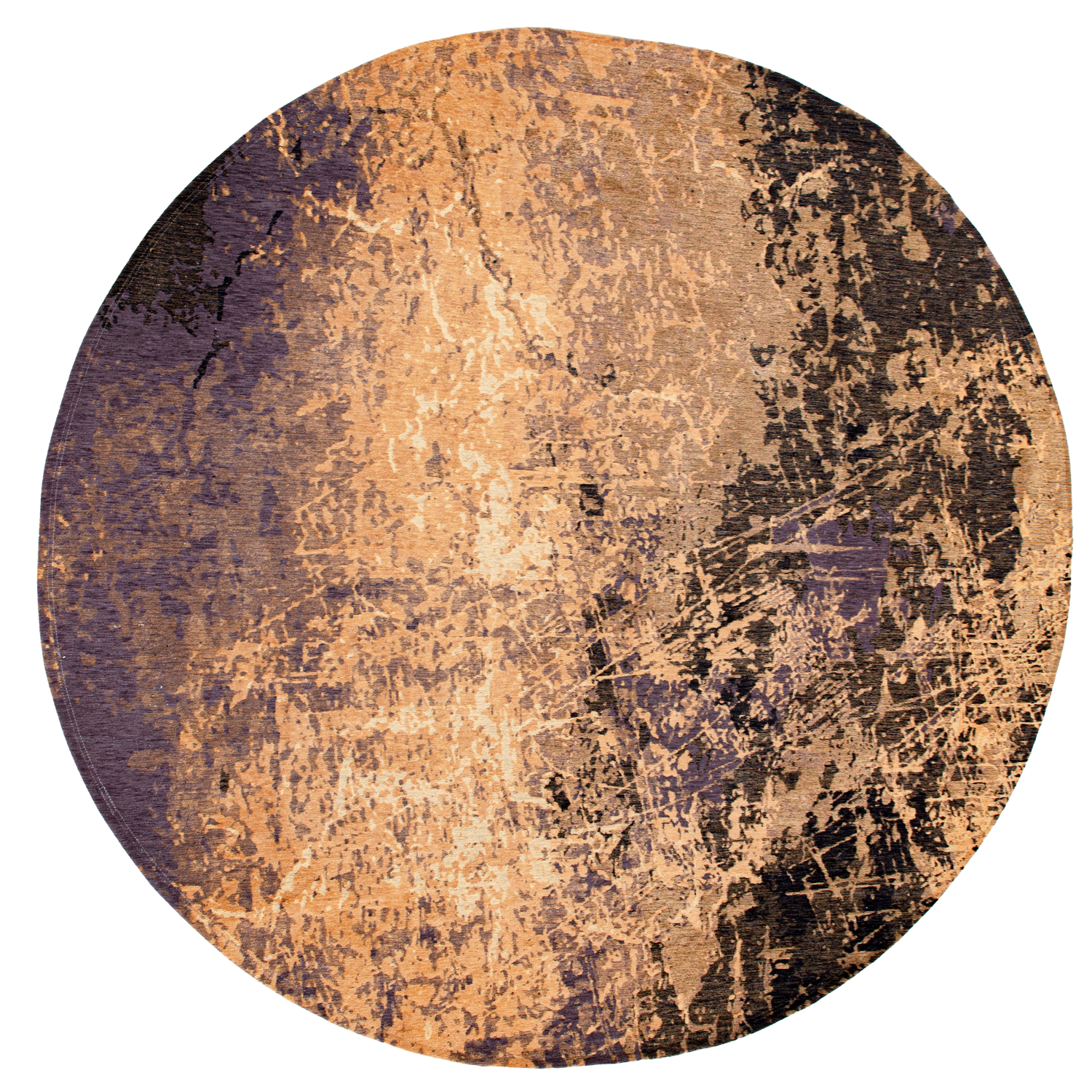
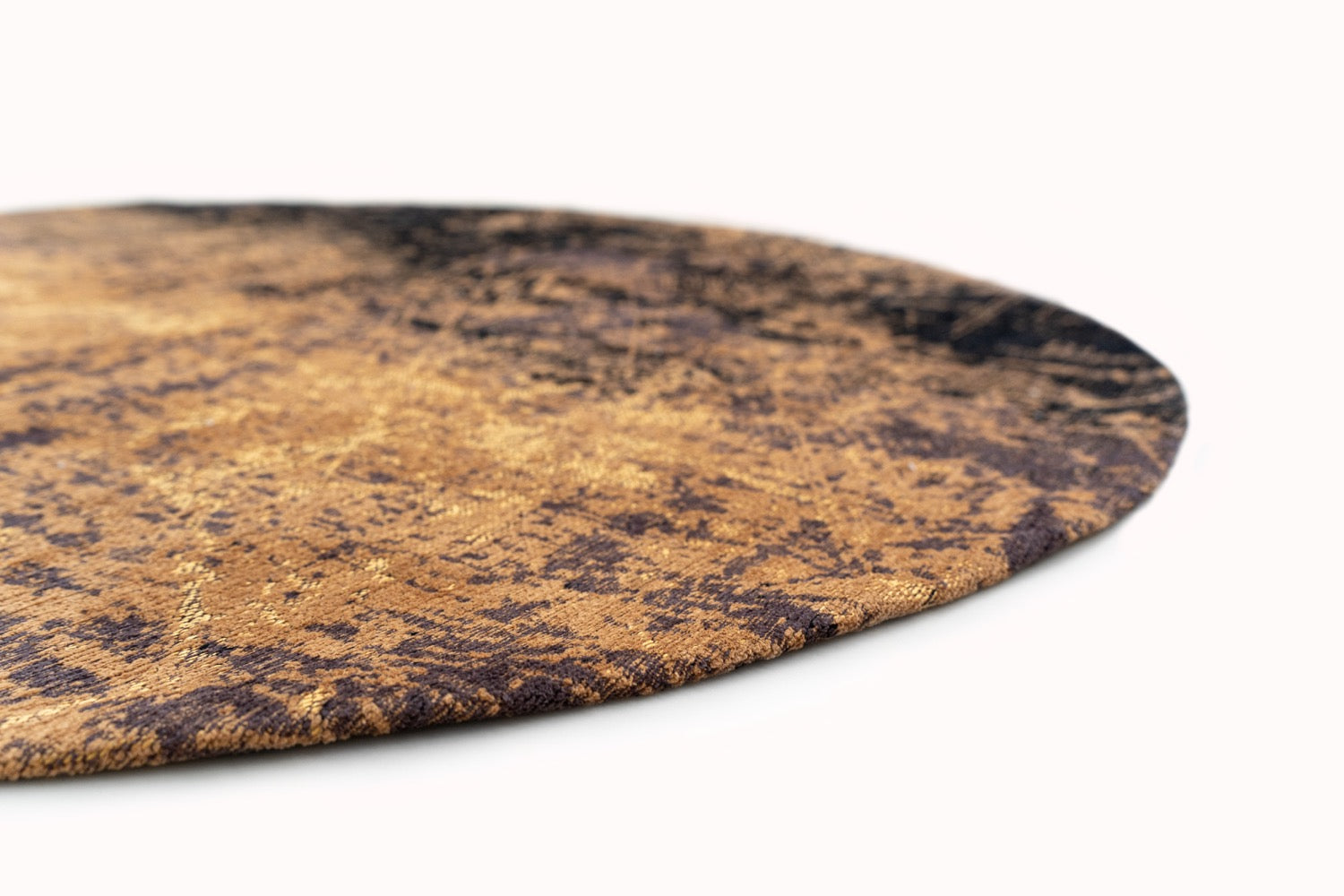
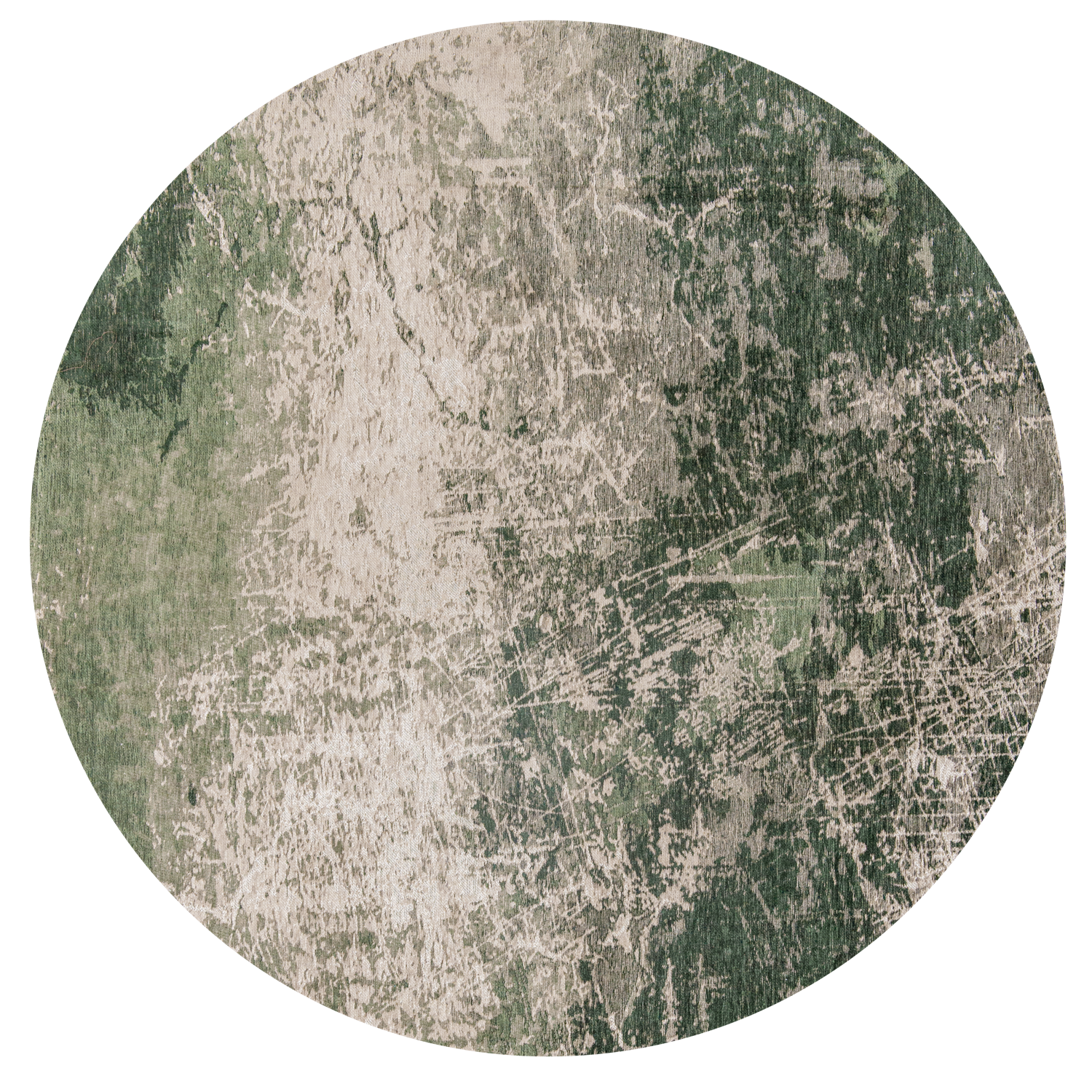
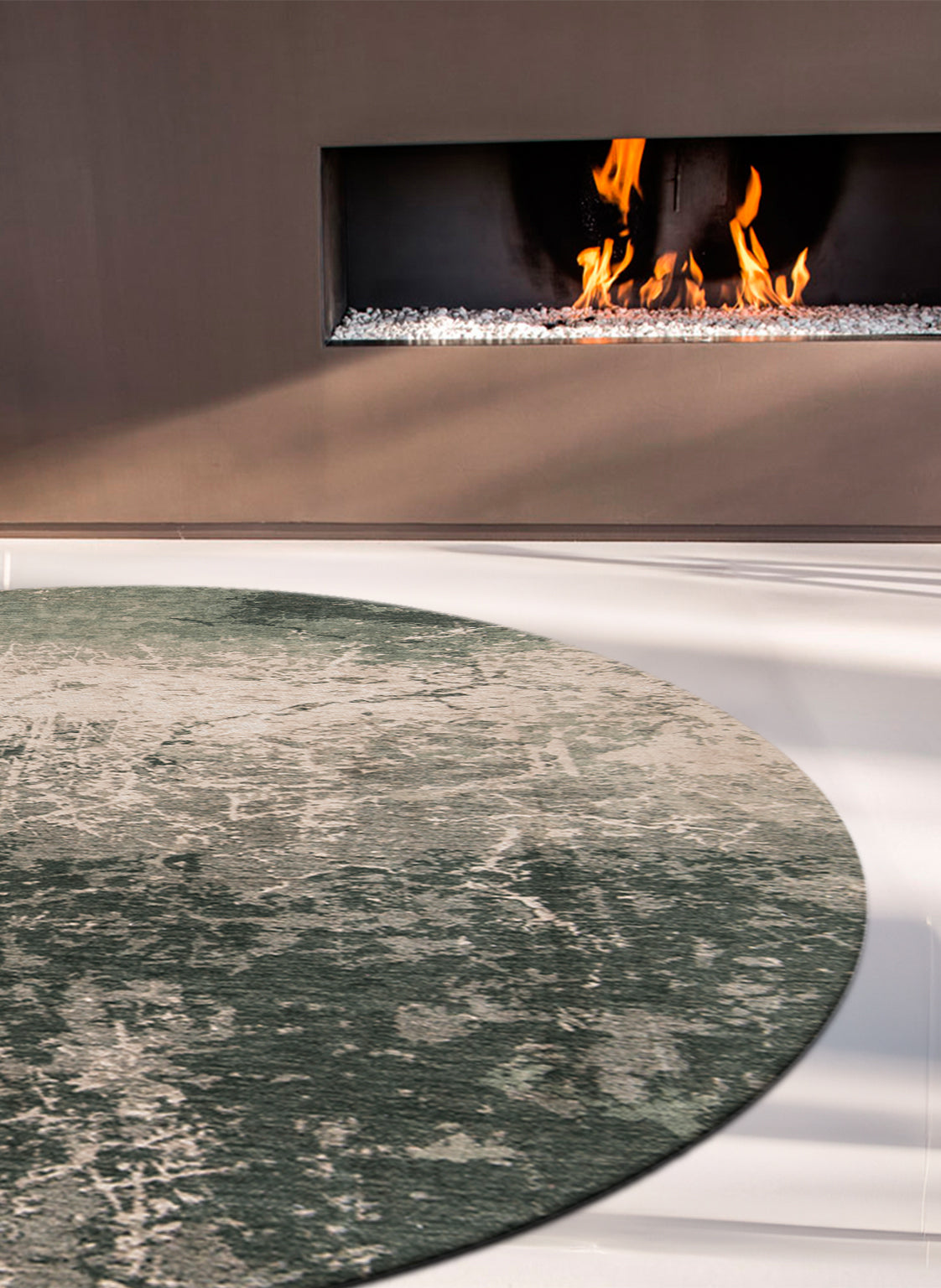
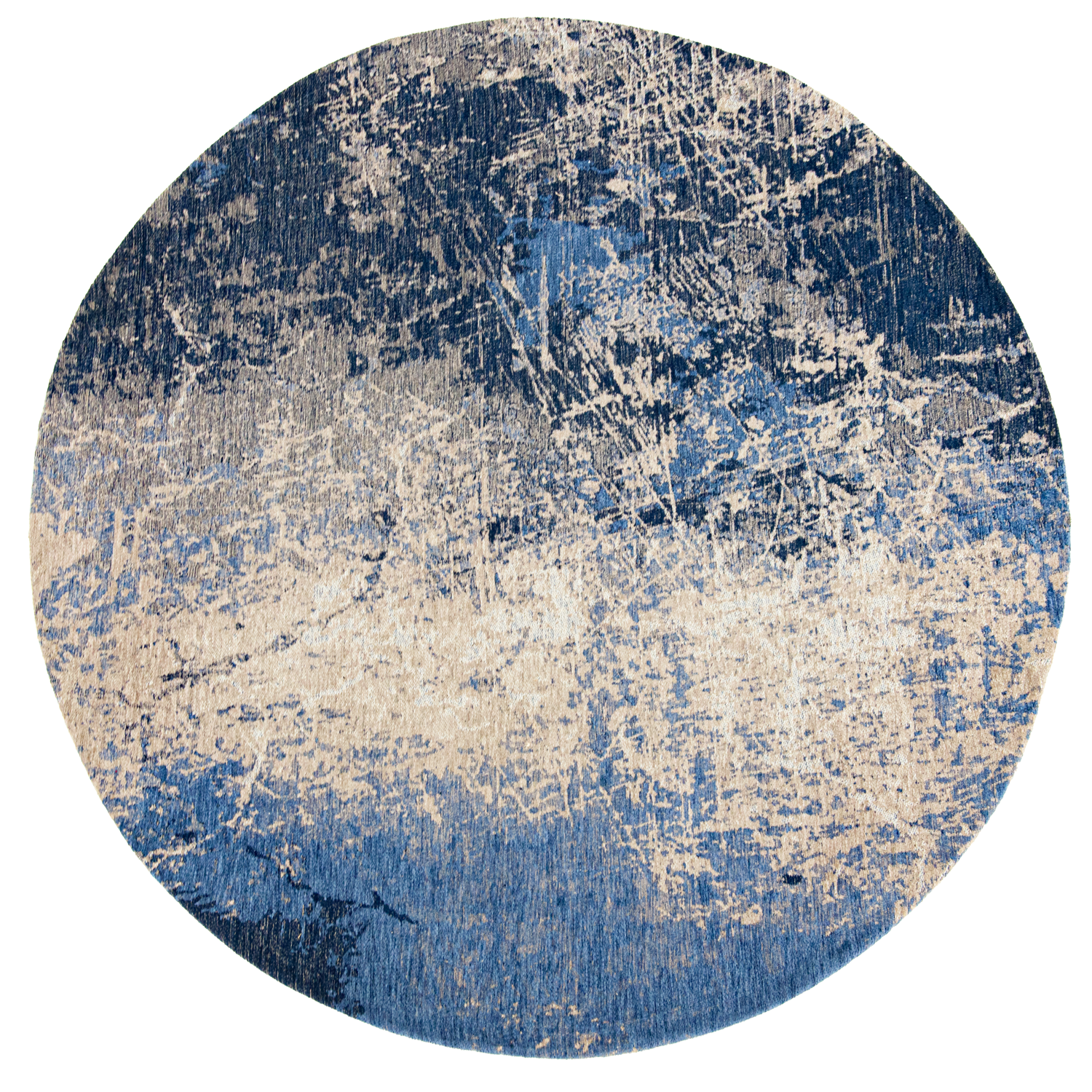


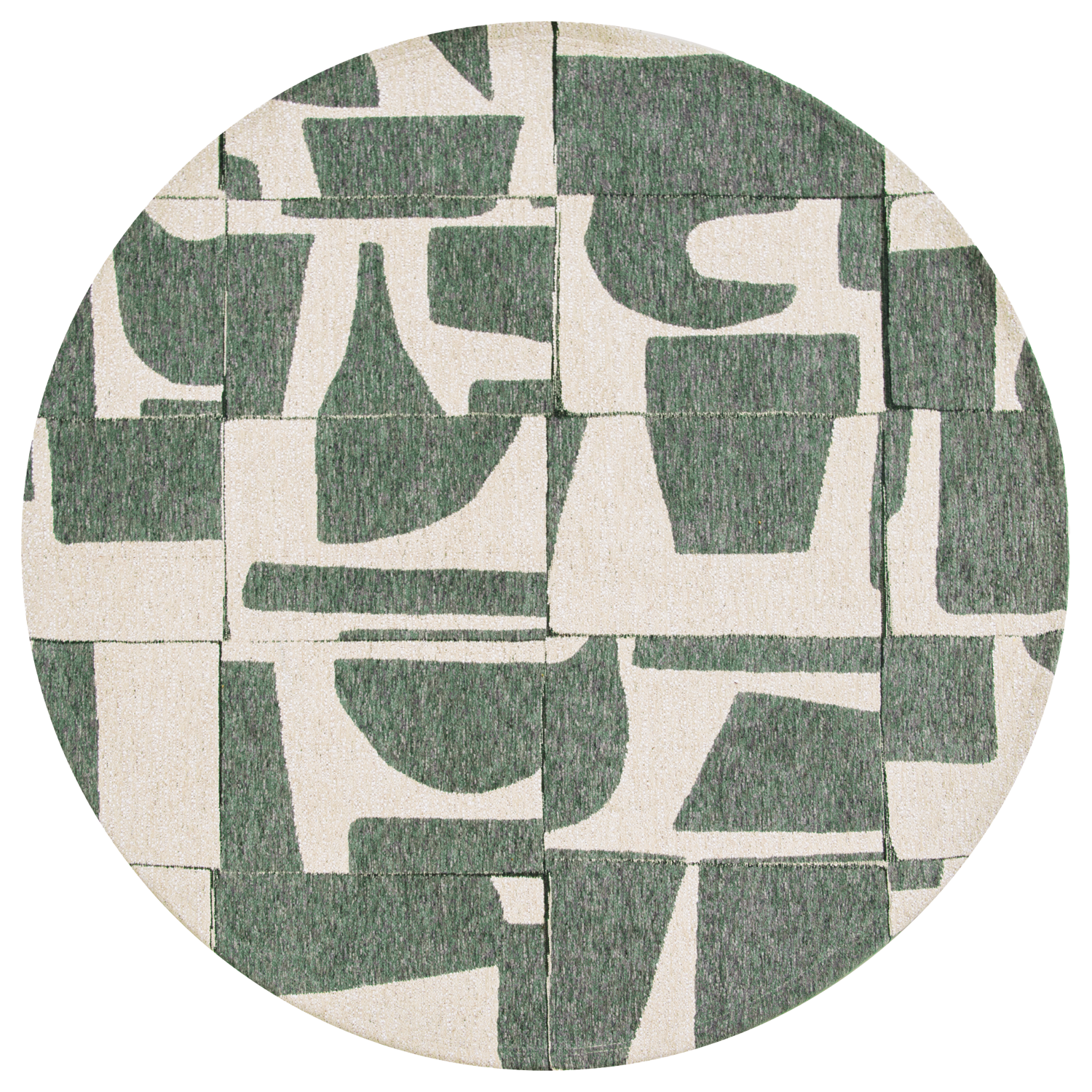
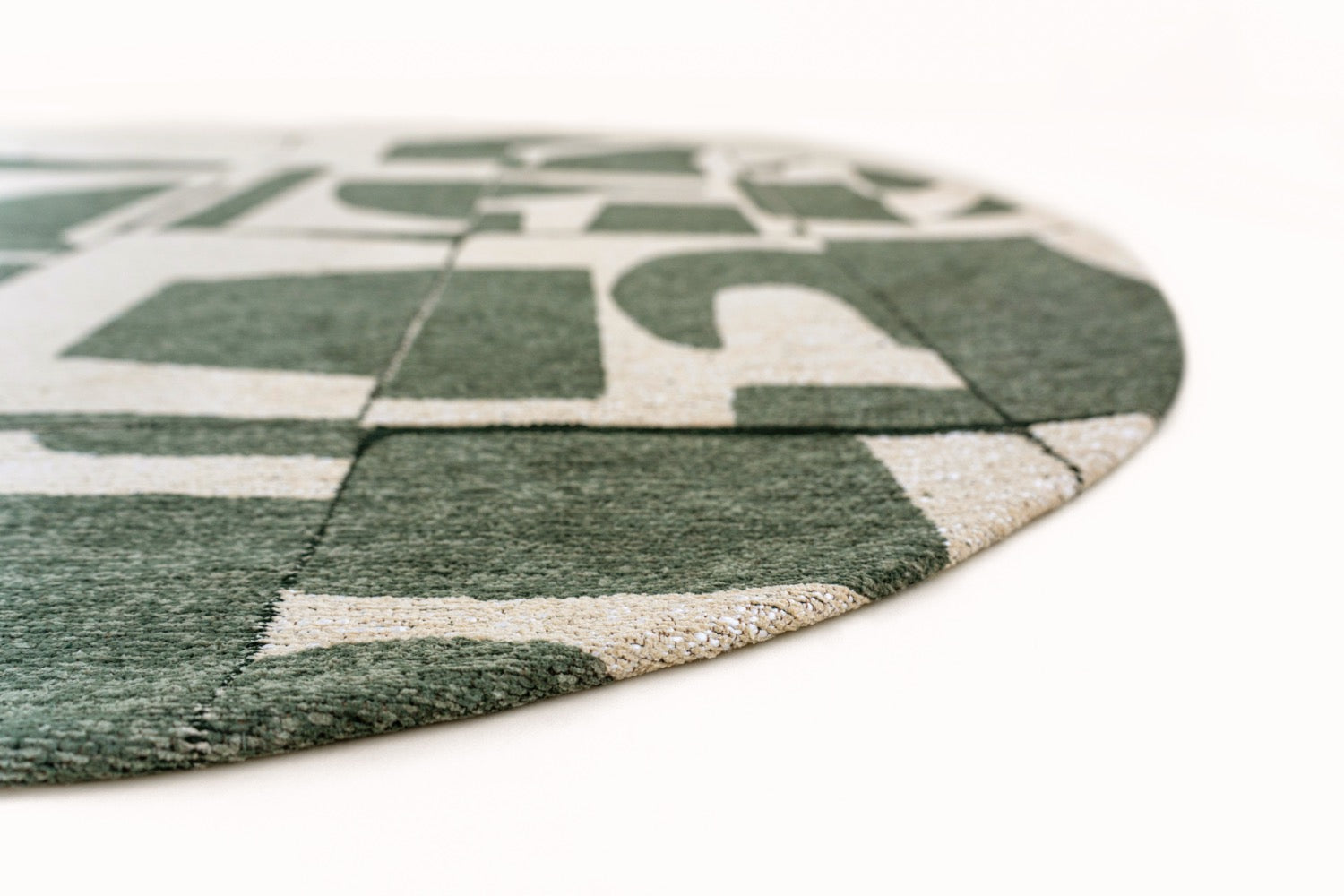


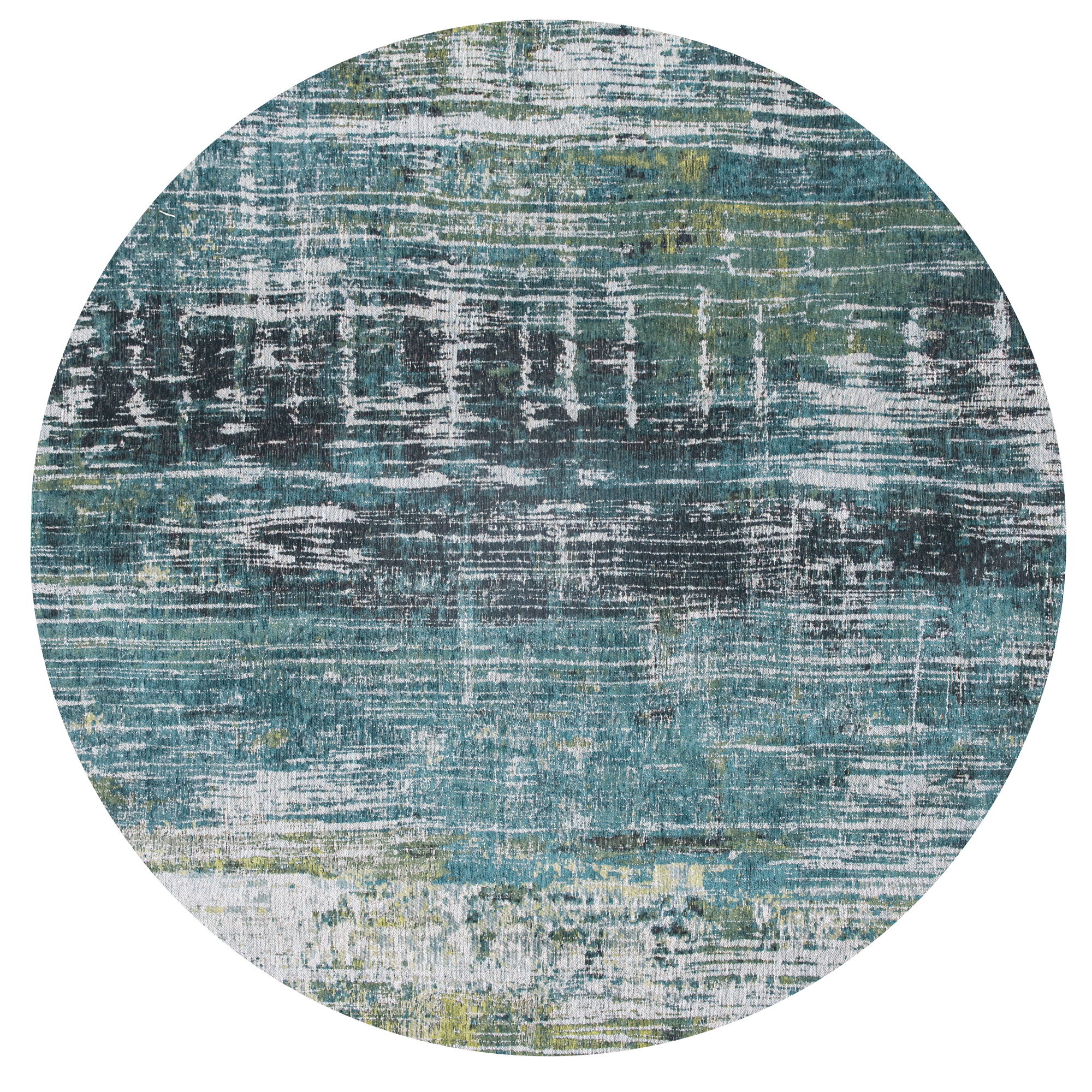
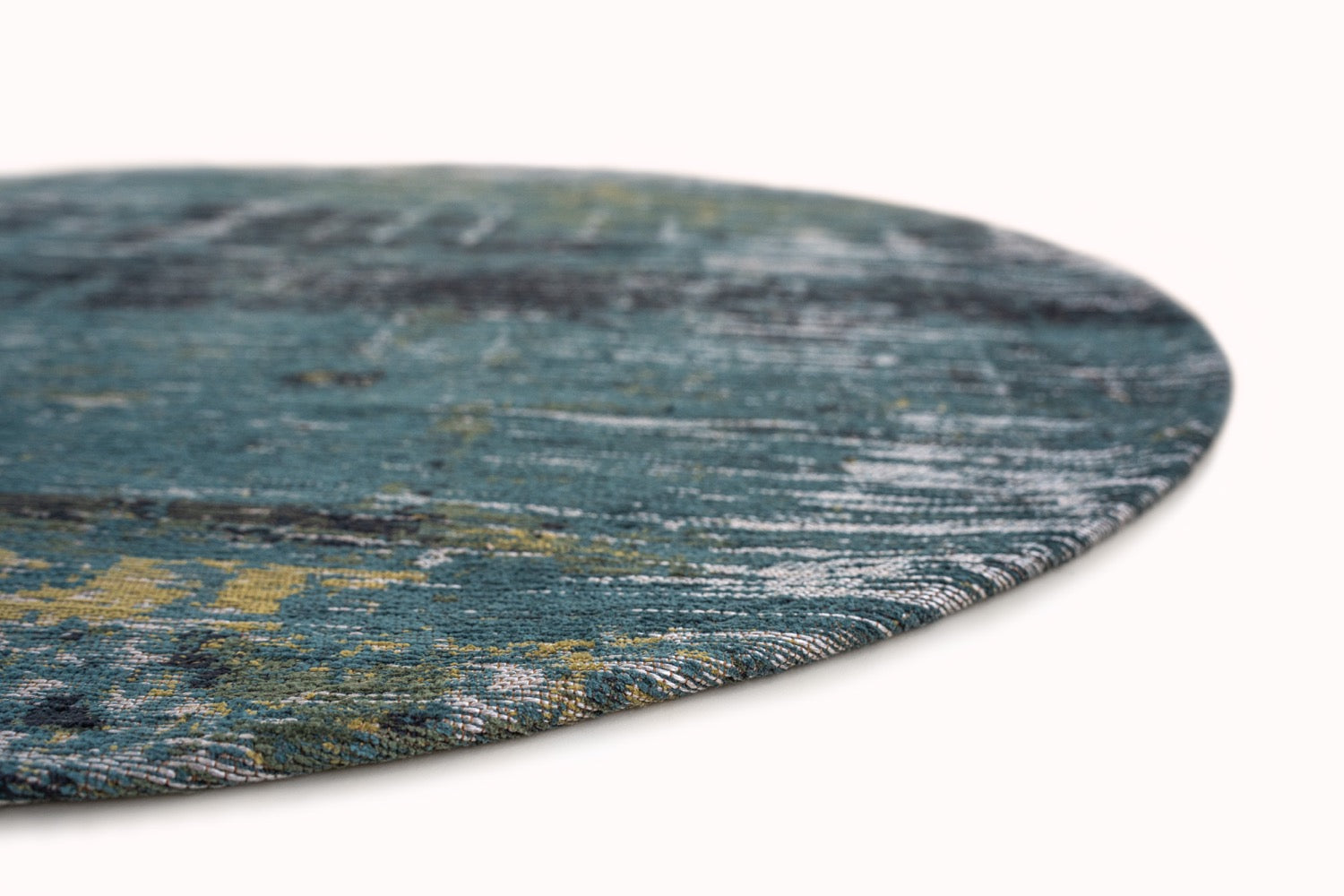
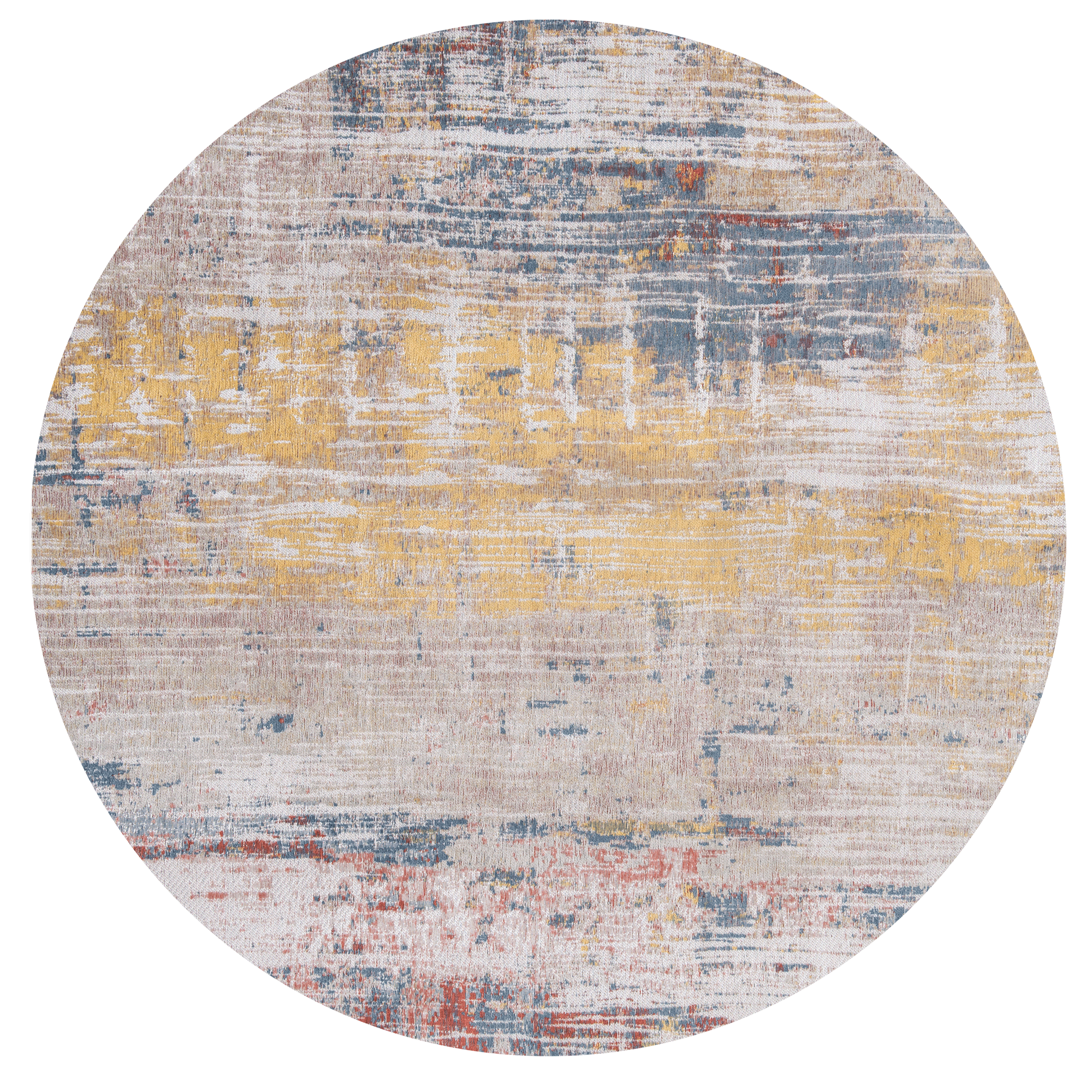
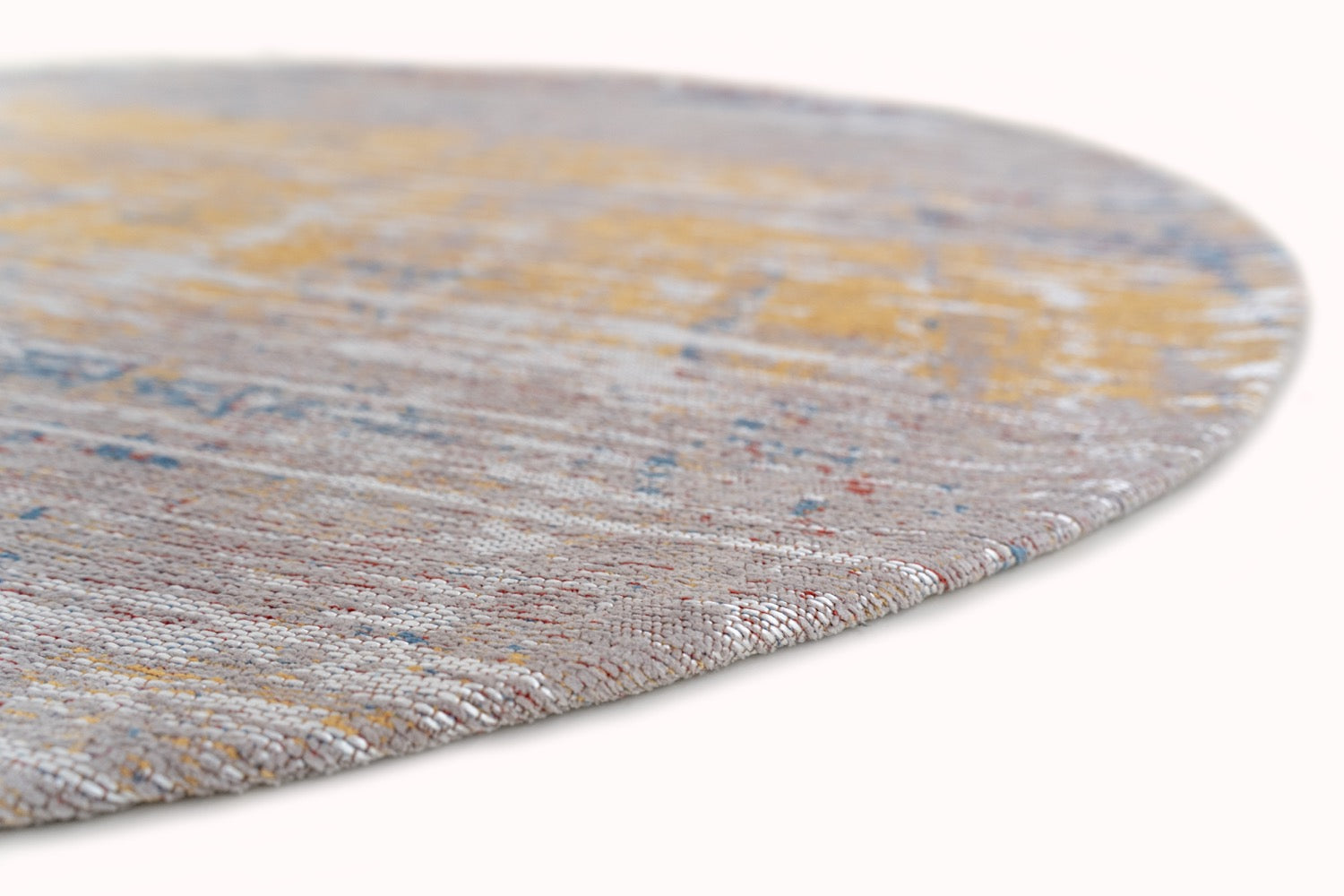
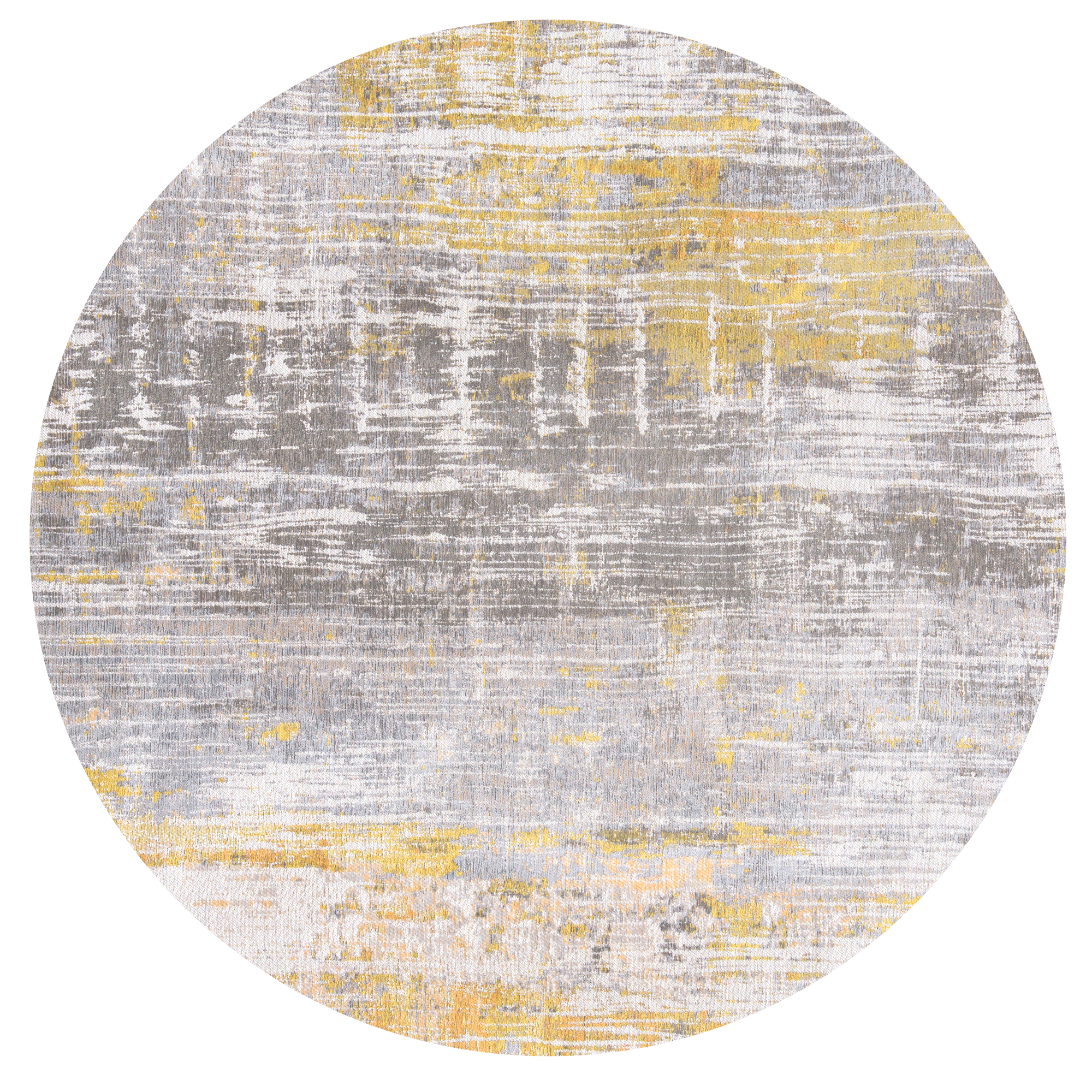
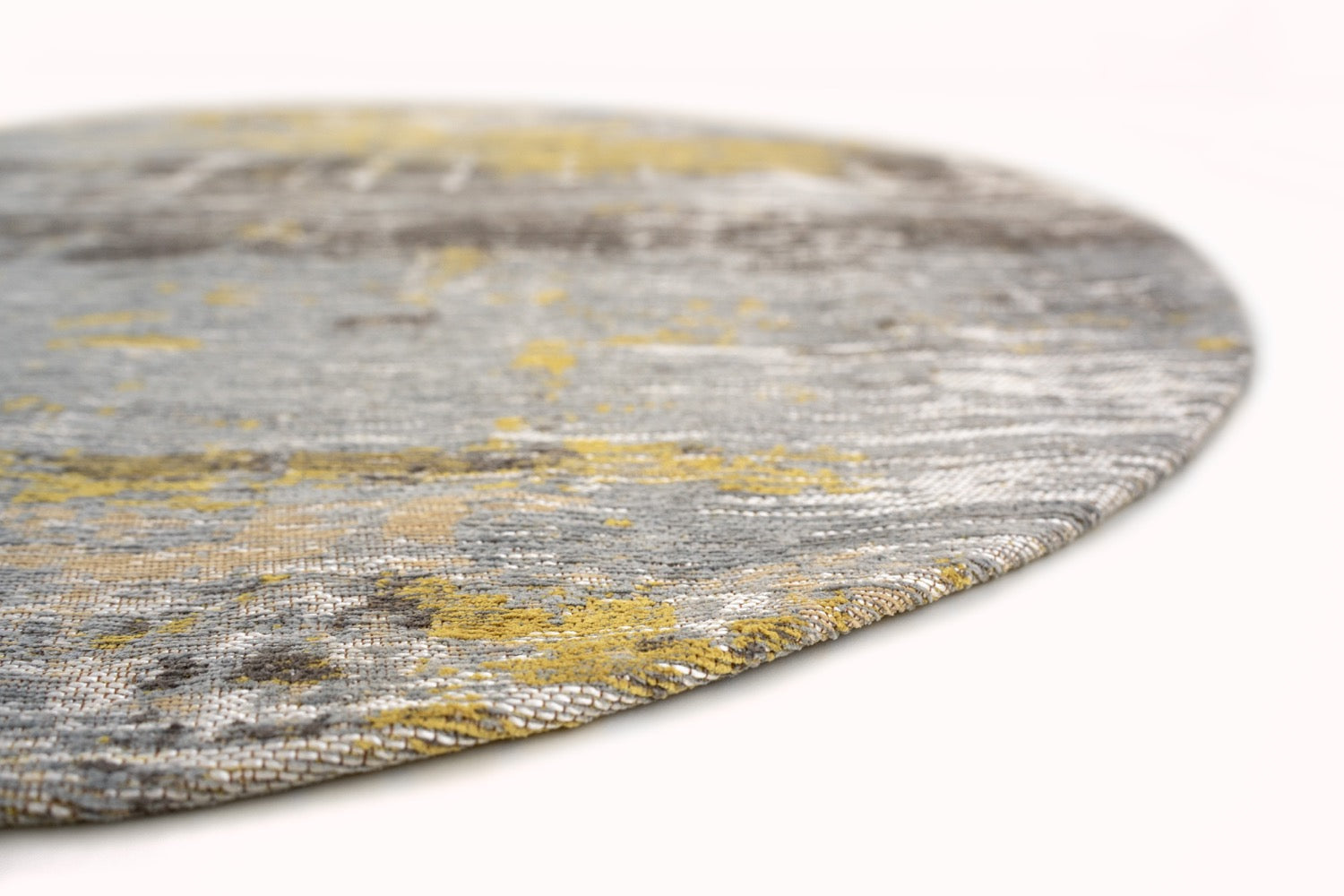
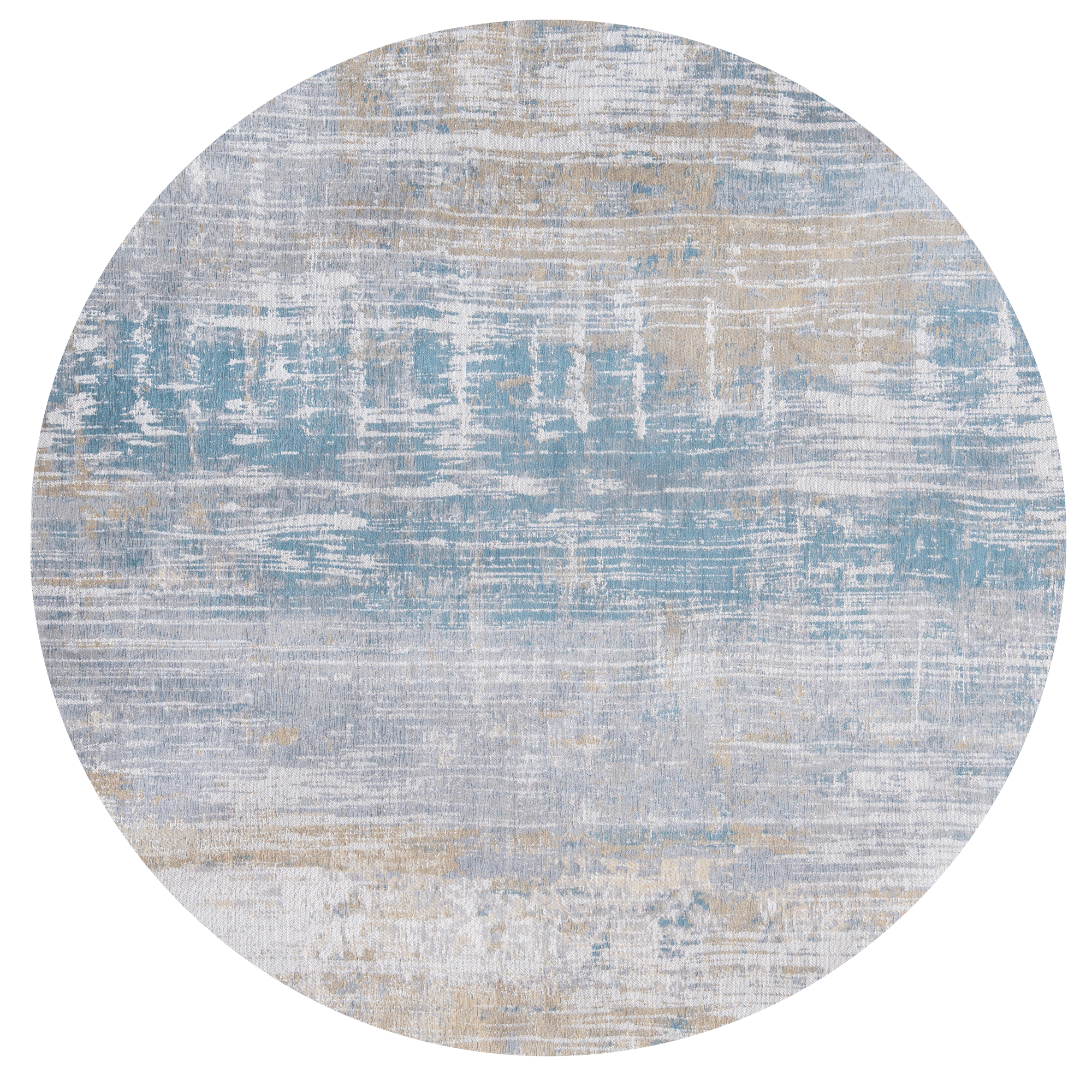
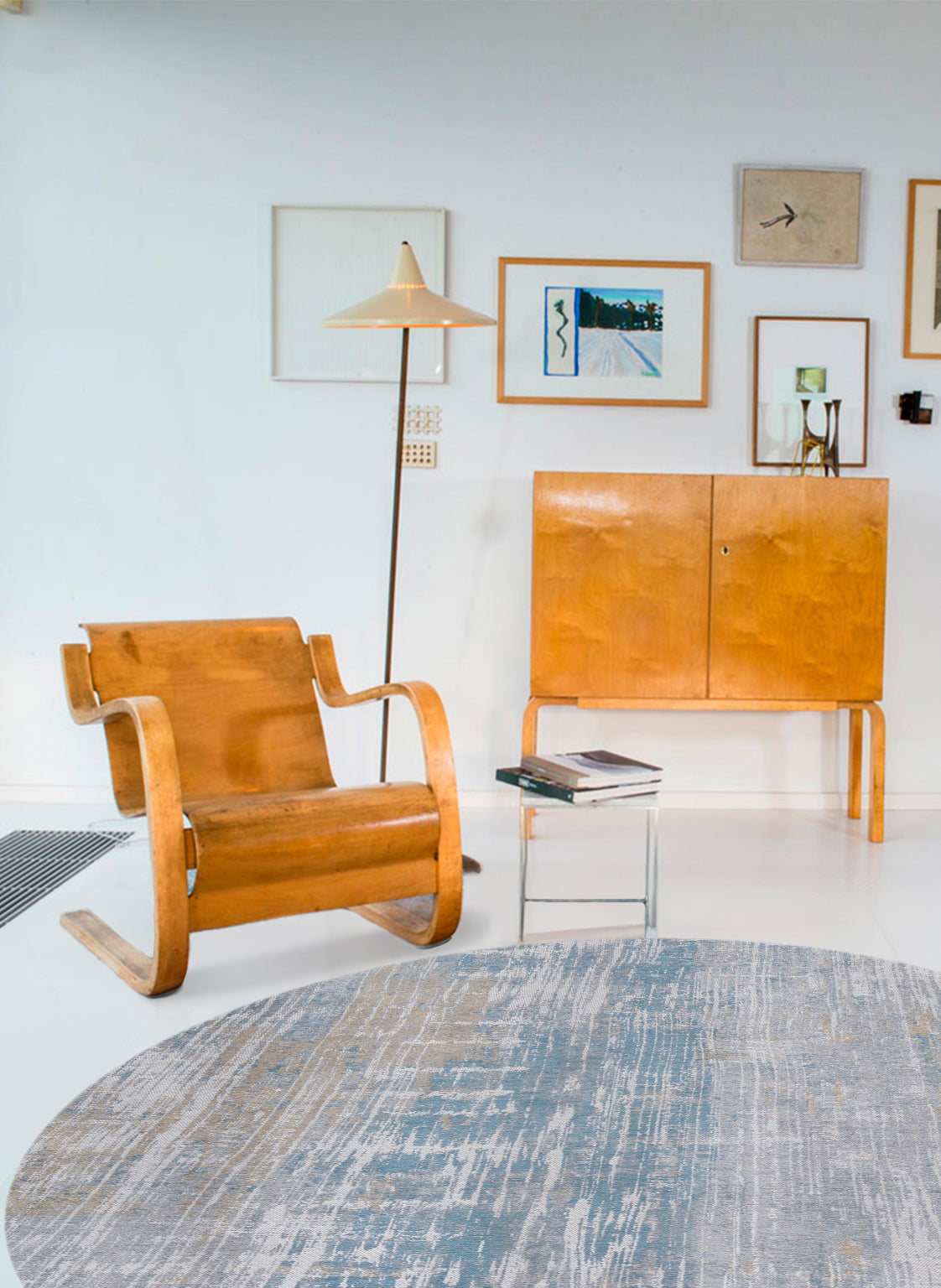
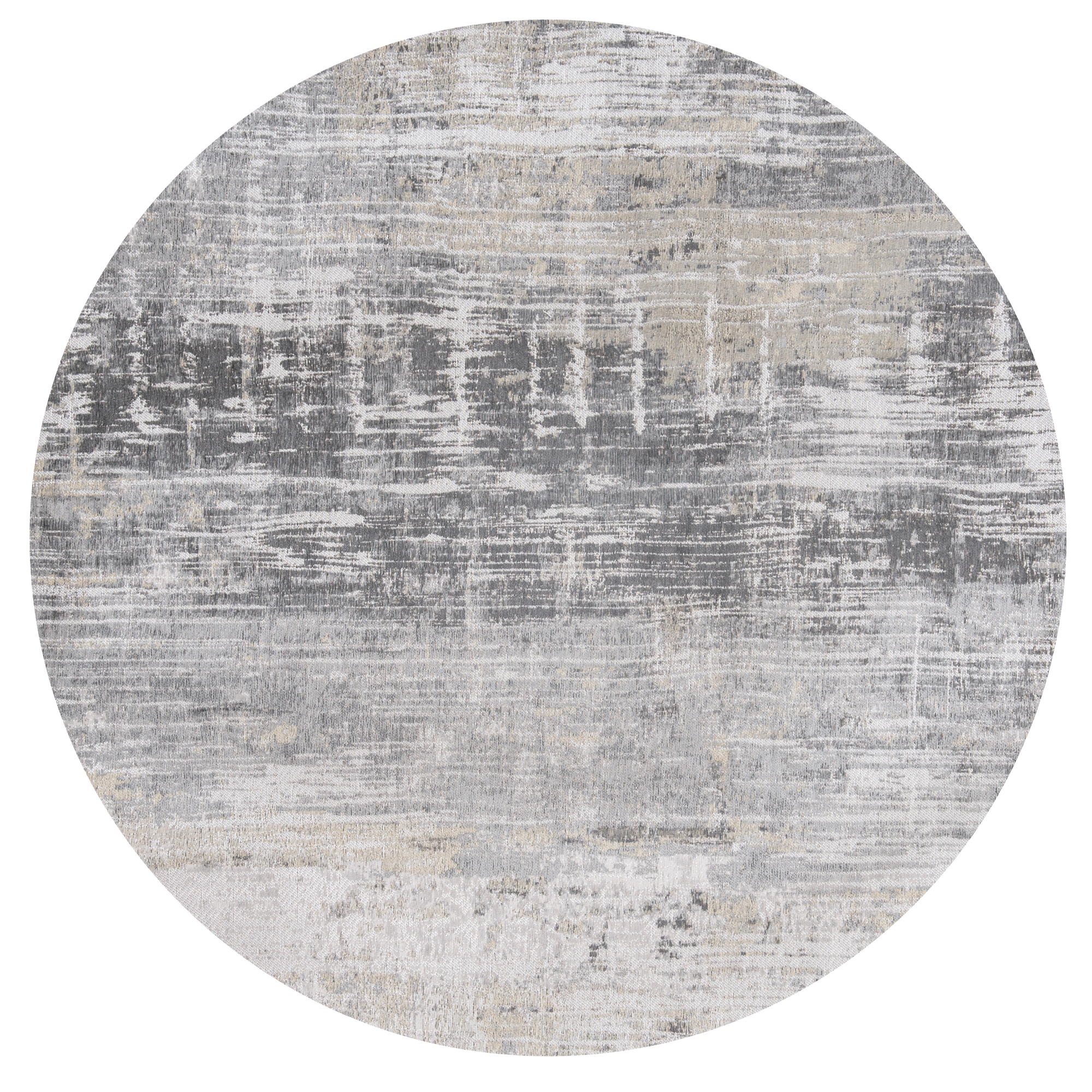

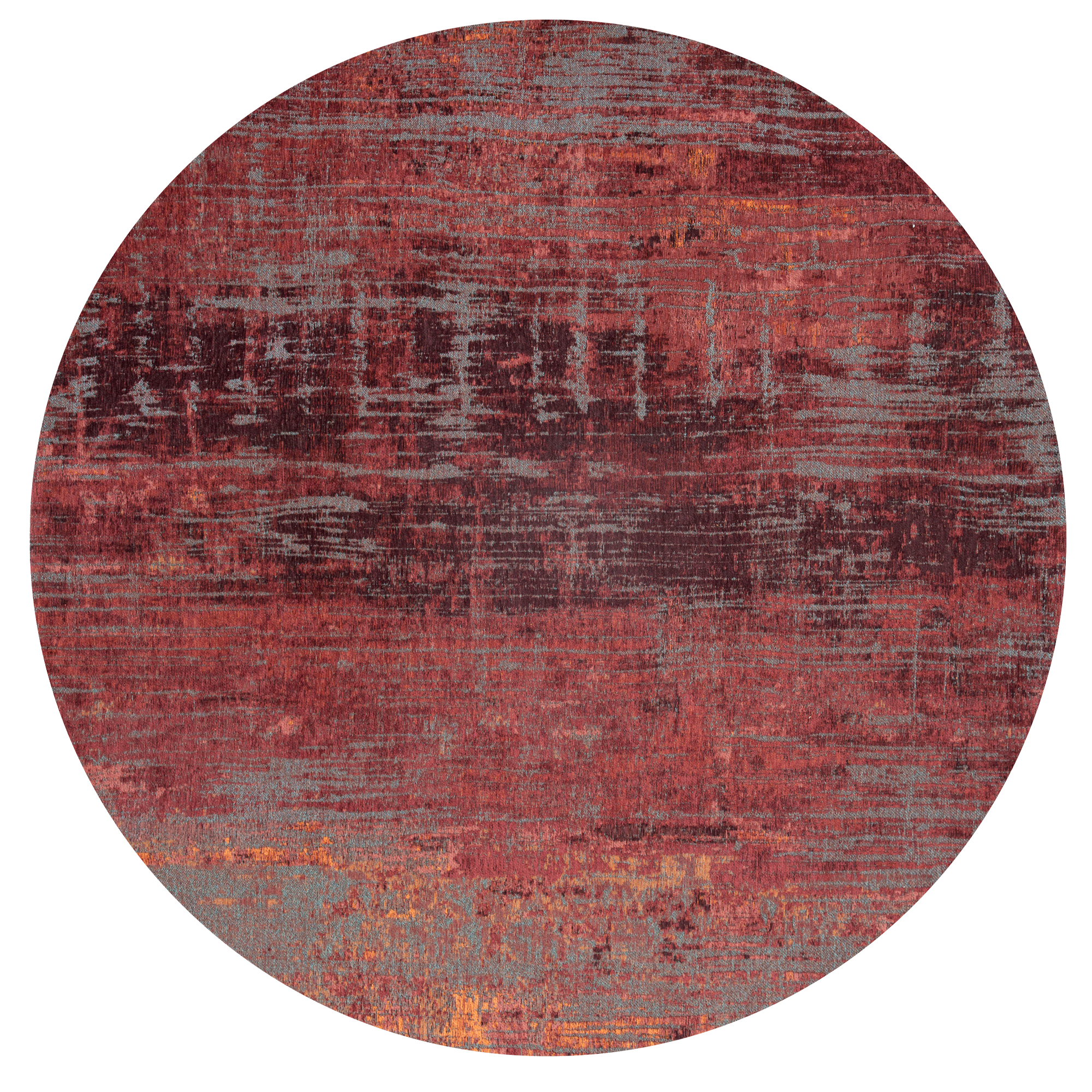
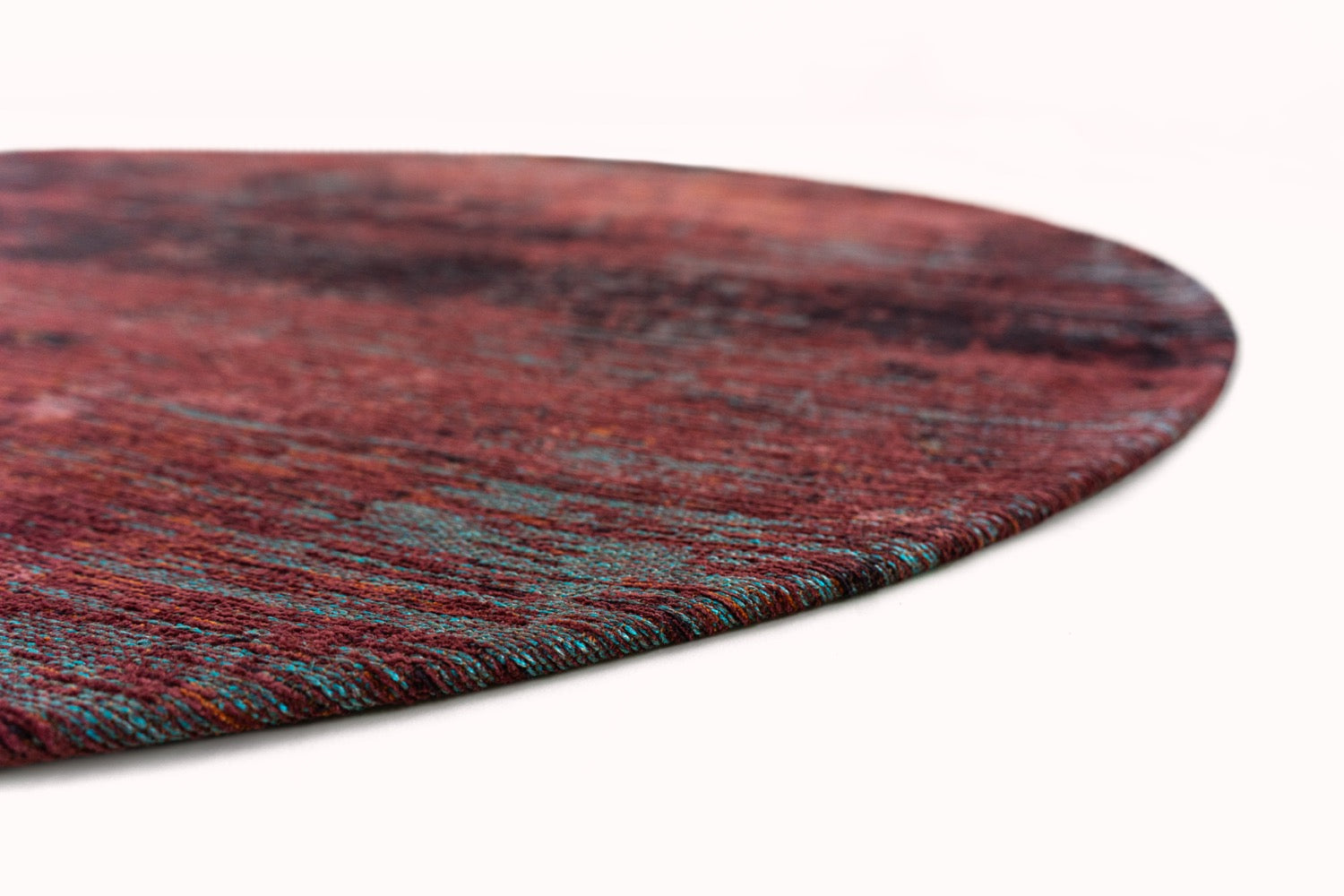
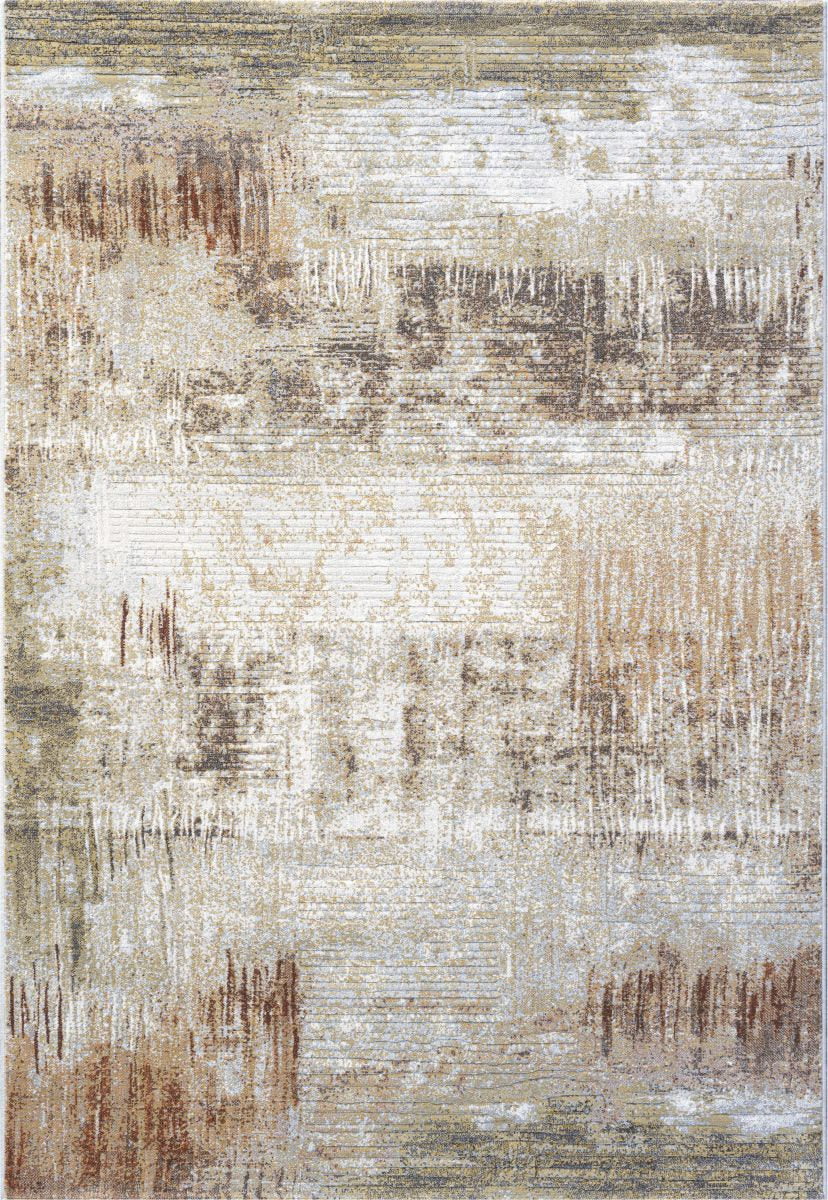

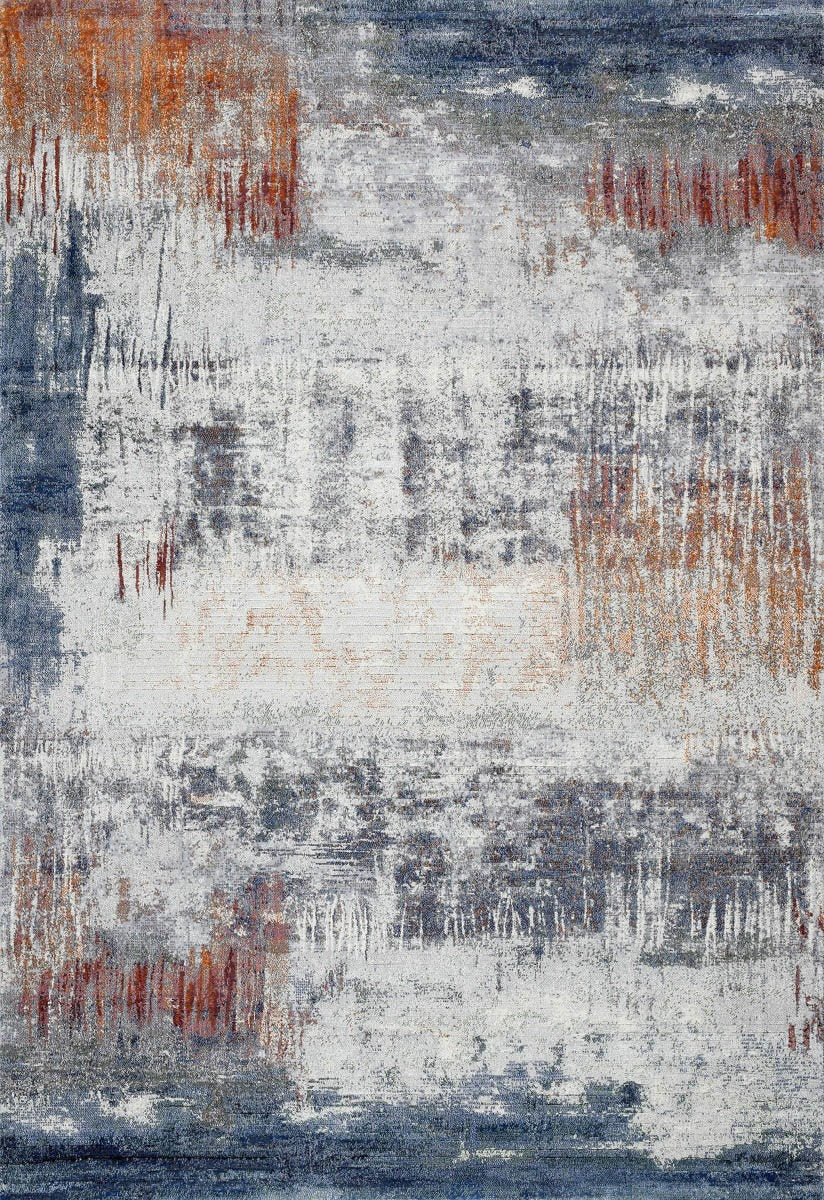
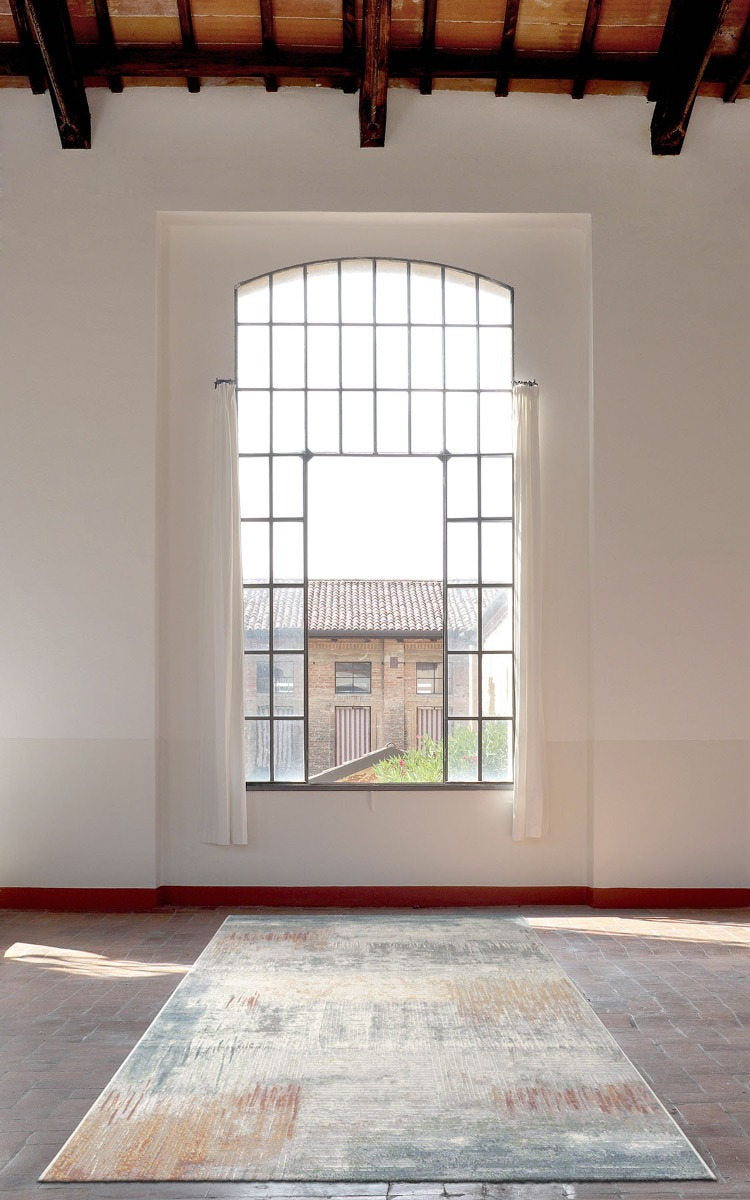


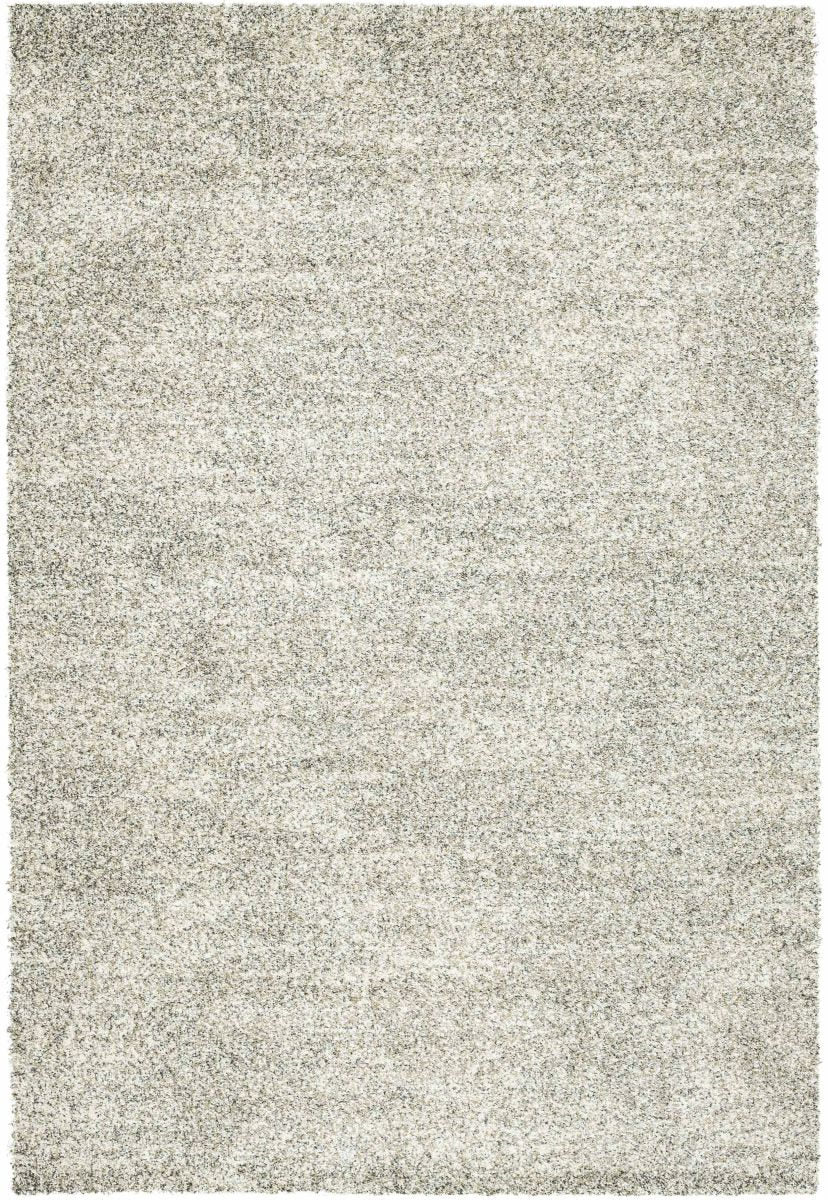
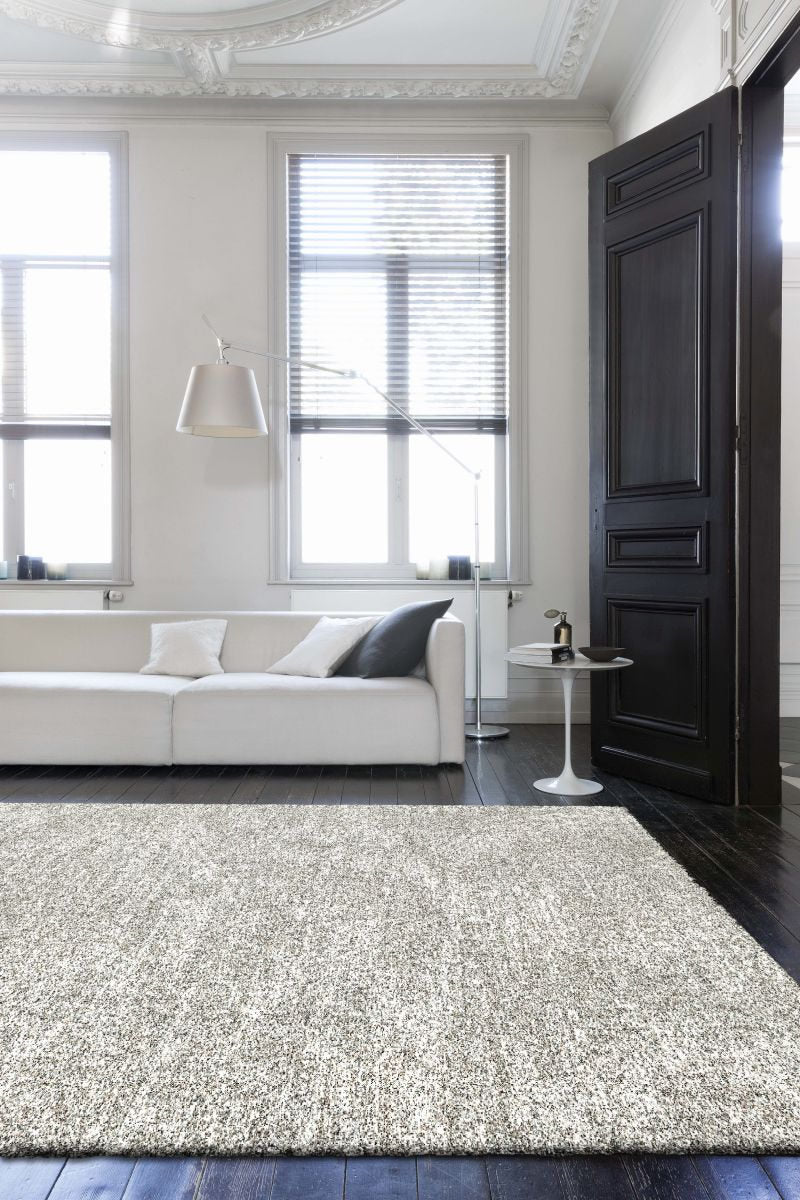
A round rug is one of those decisions that seems minor until you live with it. Place one beneath a round dining table and the room resolves itself. Put one in a square living room and you have introduced a counterpoint that makes everything else feel considered. The shape is not decorative in the way an accessory is. It is architectural.
Getting the size right
The single most important variable is diameter. A round rug that is too small does not just look wrong. It undermines the entire purpose. The rug should feel like a decision, not an afterthought.
In a living room, 200 cm is the minimum diameter for a sofa and coffee table arrangement. At 250 cm or more, the rug begins to anchor the space rather than simply occupying it. When in doubt, go larger. The visual difference between too small and just right is significant.
In a dining room, the rule is practical: the rug should extend at least 60 to 70 cm beyond the table on every side, ensuring chairs remain on it when pulled out. For a round table with a 120 cm diameter, that means a rug of at least 240 cm. Under a rectangular table, a round rug works well provided the proportions are generous enough.
For a bedroom or reading corner, Ø160 cm provides warmth without competing with furniture. In a hallway, a smaller round rug greets rather than directs.
Rooms where it works
The most natural pairing is a round rug beneath a round dining table. The geometry reinforces itself and the result feels intentional without effort. That said, round rugs work equally well under rectangular tables, in square rooms, and in open-plan spaces where you want to define a zone without hard edges.
In a square living room, a round rug softens the proportions and draws the eye inward. In a contemporary open-plan space, it creates a destination. In a bedroom, it adds warmth and personality without taking up visual territory. In an entrance hall, it sets a tone that a rectangular mat cannot quite achieve.
Material and construction
Wool remains the preferred choice for most rooms. It handles wear, resists staining naturally, and its texture deepens with age rather than diminishing. For dining rooms and high-traffic areas, flatweave constructions in wool or cotton offer the practicality of easy cleaning alongside the quality of natural fibre.
Long-pile rugs are best reserved for bedrooms and reading corners where the softness can be appreciated without the complications of chair movement and daily foot traffic. In any room where chairs are pulled in and out regularly, a low-pile or flatweave rug will always be the more sensible choice.
Most round rugs in our collection are suitable for underfloor heating. Check the individual product pages for confirmation.
The brands we carry in round
Morris & Co and Sanderson both produce pieces in circular formats that translate their design heritage into flatweave and tufted constructions. These are rugs drawn from archive-rooted design with enough contemporary restraint to work in modern homes as readily as in period properties. For interiors that take the British decorative tradition seriously, these are the obvious starting point.
Louis de Poortere produces several collections in round format, including the Berber series, Mad Men Griff Round, Structures Baobab and Meditation Lagoon, up to Ø250 cm. Belgian jacquard flatweave, slim profile, suitable for underfloor heating. A reliable choice for dining rooms in particular.
Perletta produces its Roundabout range specifically in circular form: handwoven New Zealand wool with a finish that suits the round format rather than simply being cut to shape. Worth considering for living rooms where texture and material quality take precedence over pattern.
Most collections are available to order in bespoke diameters. Free UK delivery on orders over £100. 30-day returns on standard sizes.
Frequently asked questions
What size round rug do I need for a dining table?
The rug should extend at least 60 to 70 cm beyond the table on every side, so that chairs remain fully on the rug when pulled out. For a round table with a 120 cm diameter, that means a minimum of 240 cm. For a larger table at 140 cm, go to at least 260 cm. If you are between two sizes, always take the larger. A round rug that is too small under a dining table looks awkward and creates an edge that catches chair legs.
What size round rug works in a living room?
200 cm is the practical minimum for a sofa and coffee table arrangement. At this size the rug anchors the seating group without dominating the room. If your living room is larger or you have an L-shaped sofa, 250 cm or more gives the rug enough presence to read as intentional. As with all rugs, err on the side of generosity. A rug that feels slightly large is always preferable to one that appears to have been placed as an afterthought.
Are round rugs suitable for underfloor heating?
Many round rugs in our collection are suitable for underfloor heating, particularly flatweave constructions and low-pile wool rugs. Louis de Poortere jacquard flatweaves and Perletta handwoven wool pieces are both generally compatible. High-pile and heavily padded rugs conduct heat less efficiently. Always check the individual product page for the specific underfloor heating guidance before purchasing.
Can I put a round rug under a rectangular dining table?
Yes, and it can work very well. The contrast between the circular rug and the rectangular table creates a deliberate visual tension that gives the dining area more character. The same sizing rule applies: the rug should extend at least 60 to 70 cm beyond the table on every side. The most common mistake is choosing a round rug that is too small under a rectangular table, which results in chairs sitting half on, half off the rug.
Can I order a round rug in a bespoke size?
Yes. Most collections available through Tapison can be ordered in custom diameters, including round formats not shown as standard on the product pages. This applies to several Perletta and Louis de Poortere collections in particular. Bespoke orders cannot be returned and have longer lead times than standard sizes. Contact us directly with your measurements and we will advise on availability and production time.