
Collection: Scandinavian Rugs
Warmth, light, nothing unnecessary








Scandinavian Rugs: When Less Actually Means More
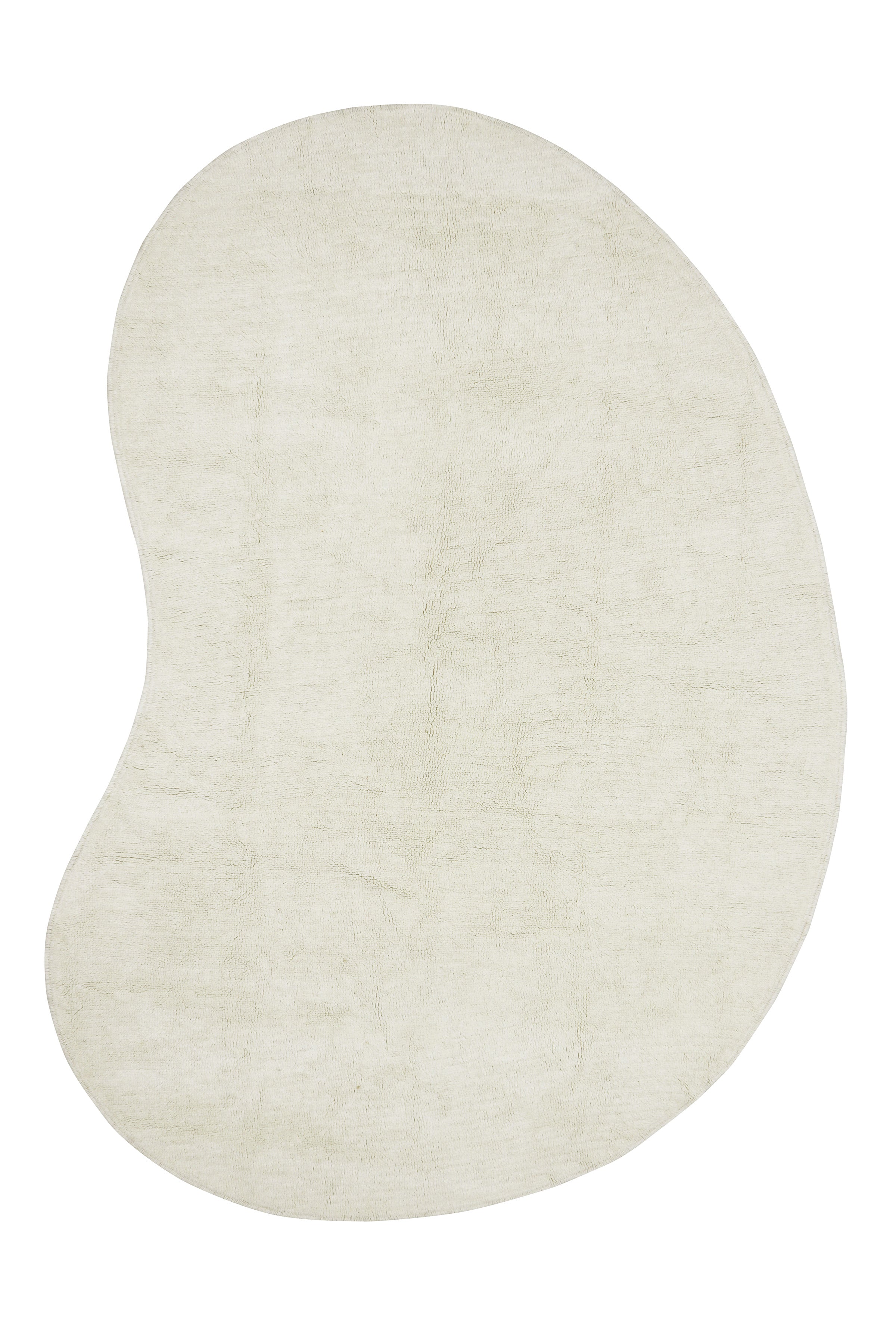
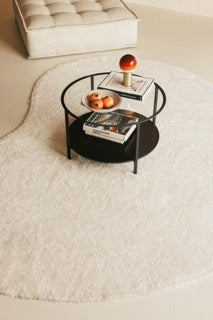
There's a reason Scandinavian interiors feel calm rather than cold, even when the palette is limited to whites, greys, and the palest blues. The secret isn't in what's added. It's in what's left out. A Scandinavian rug doesn't compete for attention. It creates warmth and texture in spaces that value simplicity, making rooms feel lived-in without clutter.
Light drives everything in Nordic design. When winter days are short and natural light is scarce, every surface matters. Pale rugs in cream or soft grey reflect what little light enters a room, making spaces feel brighter and more open. This isn't just aesthetics. It's survival, creating environments that feel welcoming rather than oppressive during long, dark months.
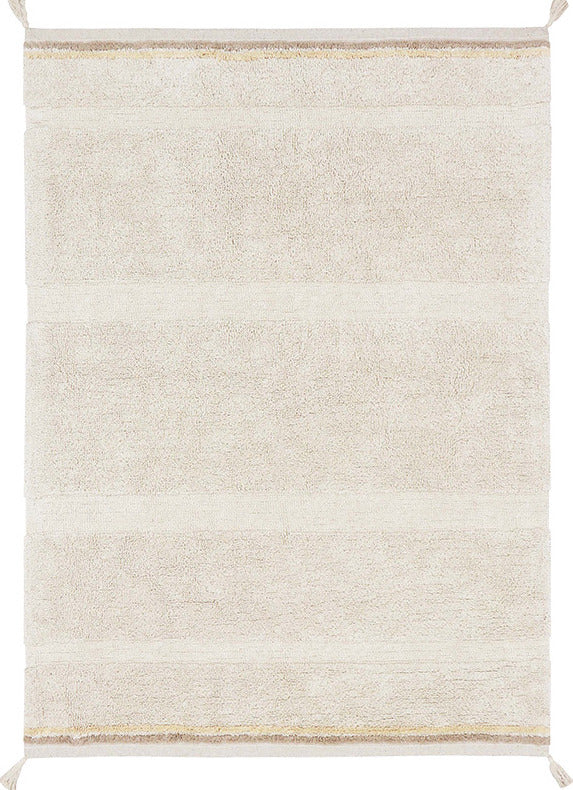
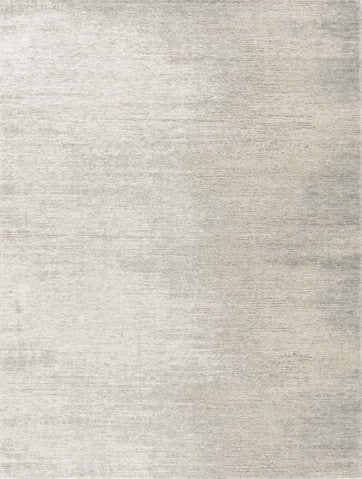
Texture does the work that colour might do elsewhere. A high-pile wool rug in off-white creates visual interest through shadow and depth rather than pattern. A flatweave with a subtle geometric weave adds structure without decoration. When your palette is restrained, texture becomes essential. It's what prevents minimalism from feeling sterile.
Hygge Isn't Just a Buzzword
The Danish concept of hygge, that sense of cosiness and contentment, isn't about candles and blankets alone. It's about creating spaces where you actually want to spend time. A soft wool rug beneath your feet when you wake up. A textured weave that invites you to sit on the floor rather than just walk across it. These aren't luxuries in Scandinavian design. They're necessities for making a house feel like a home.
Functionality matters as much as aesthetics. Scandinavian rugs need to handle real life, cold floors, wet boots, the wear that comes from daily use. Wool dominates because it's warm, durable, and naturally stain-resistant. It performs without fuss, which aligns with the Nordic value of practicality over preciousness. You're not buying a rug to look at. You're buying one to use.
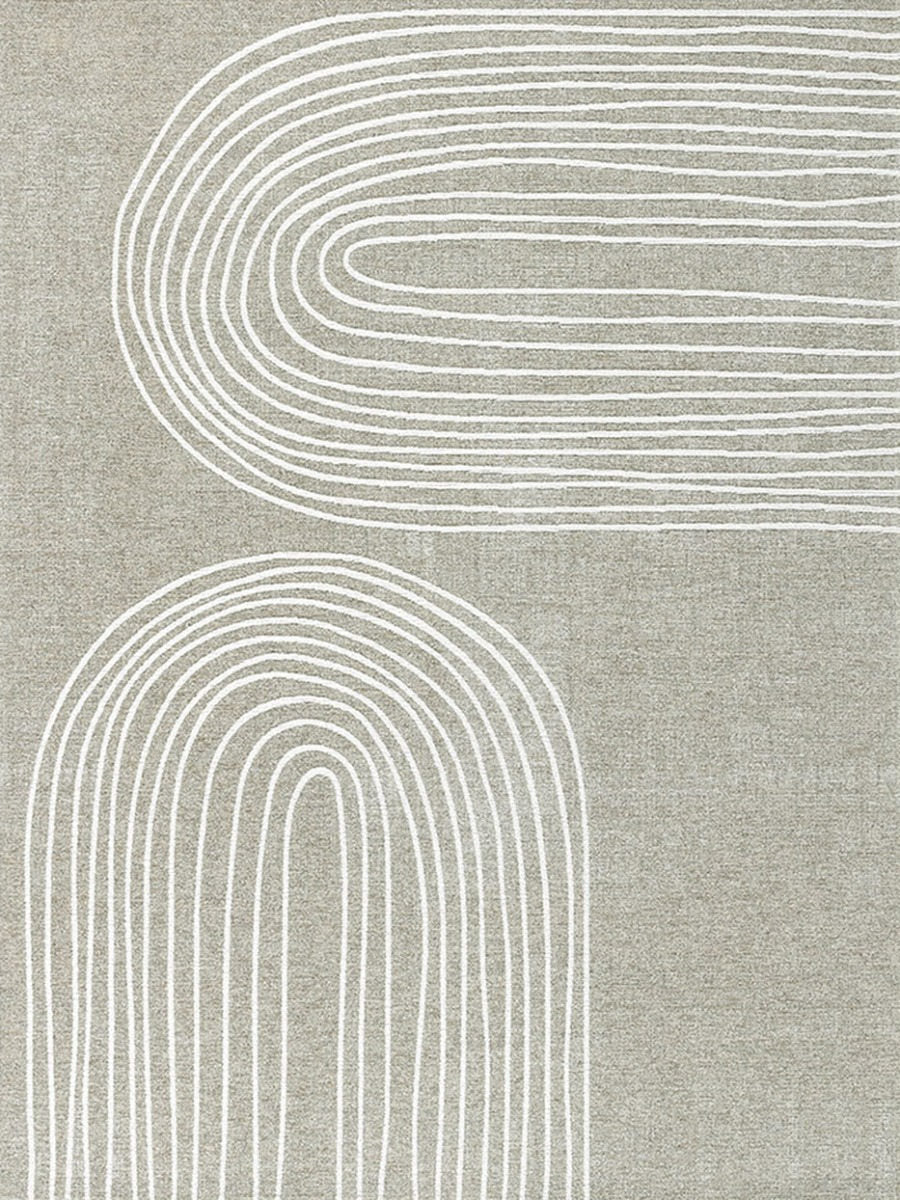
The restraint extends to pattern. When geometric designs appear, they're simple, never ornate. Stripes, diamonds, subtle grids, patterns that add structure without demanding attention. Bold colours and complex motifs feel out of place in Scandinavian interiors because they disrupt the calm. The pattern exists to create rhythm, not to make statements.
How Scandinavian Rugs Change Spaces
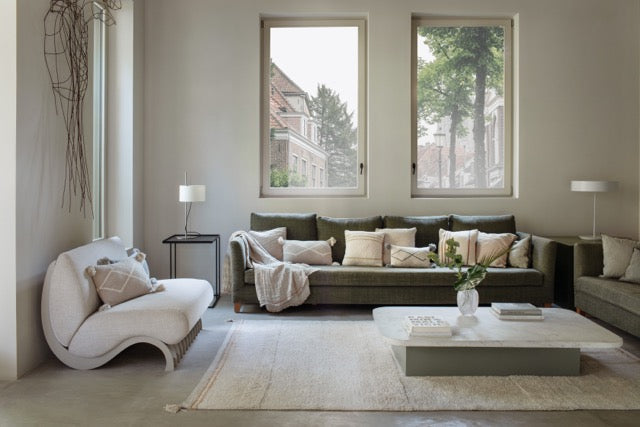
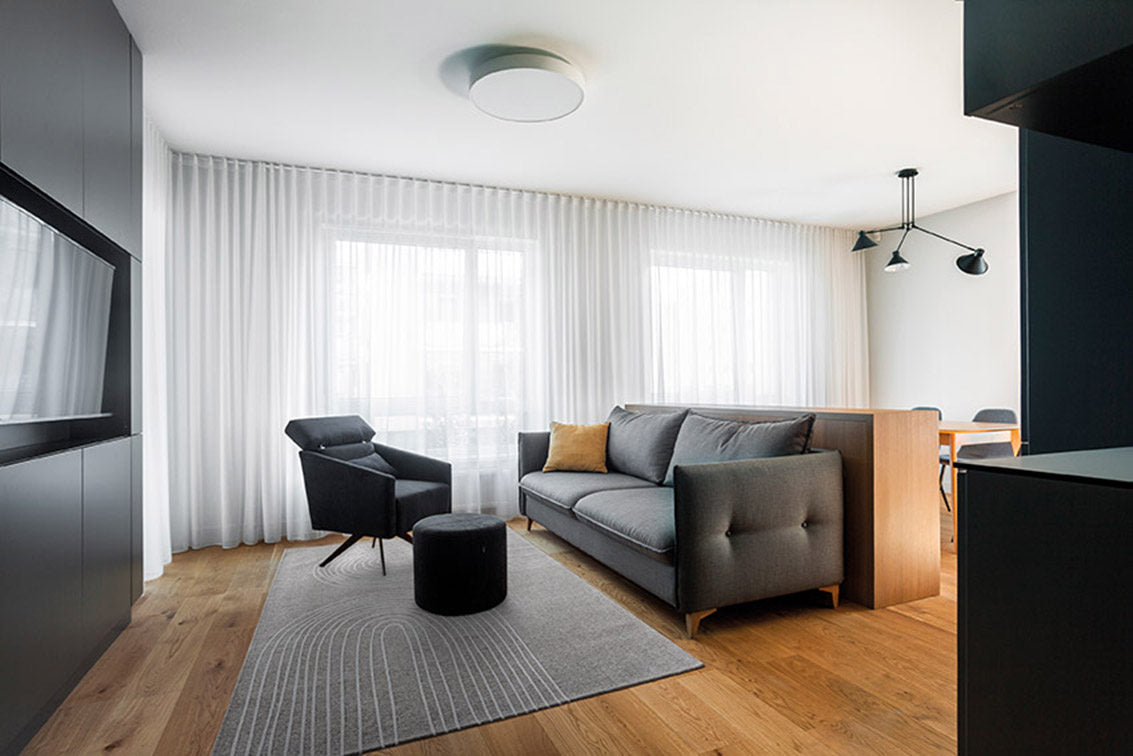
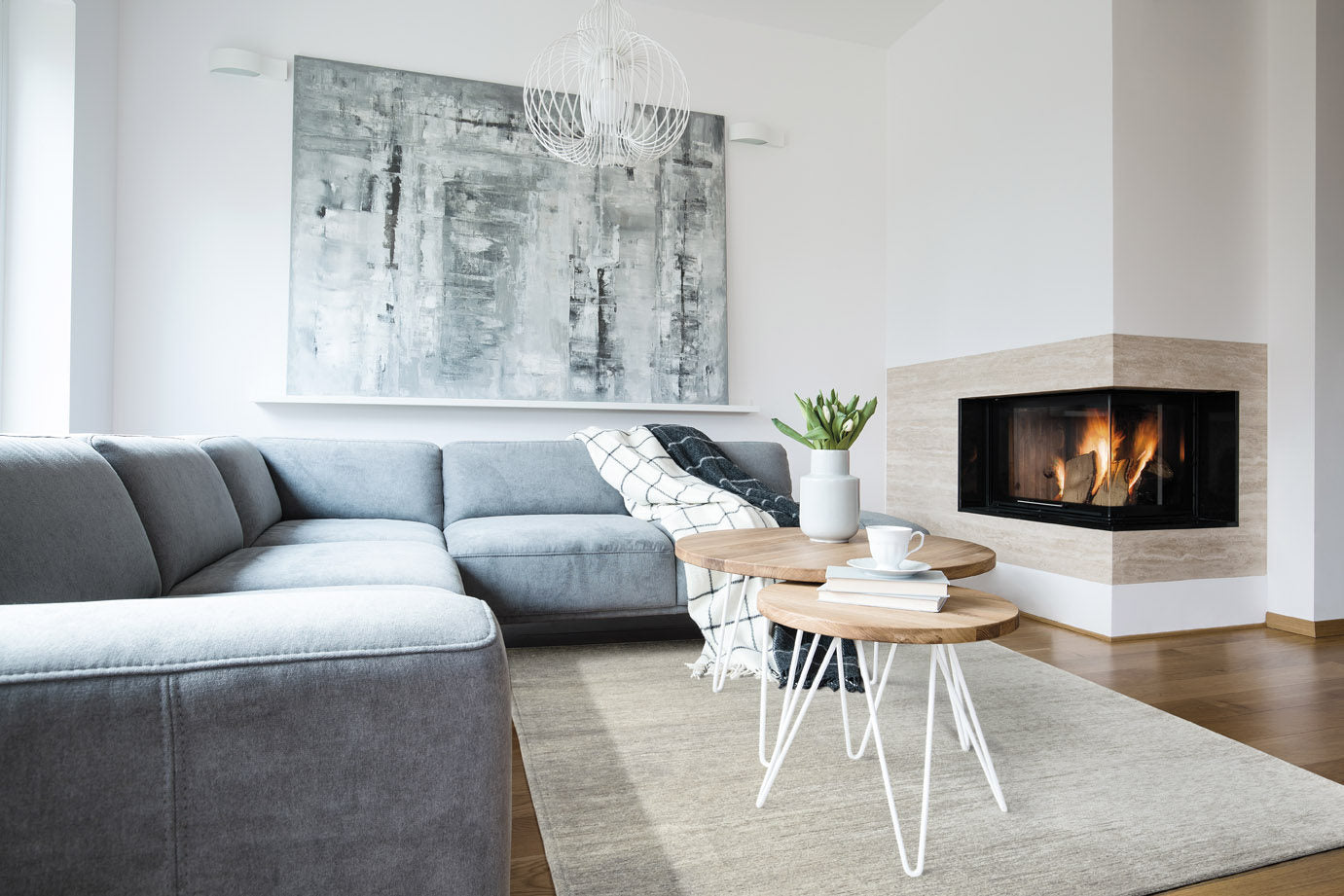
Open-plan living areas benefit most. A large pale rug anchors seating without dividing the space, creating definition while maintaining the sense of openness that Nordic design values. The rug makes the room feel more structured without walls or barriers, which matters in homes where light and flow are priorities.
Bedrooms become sanctuaries with the right rug. High-pile wool underfoot transforms waking up on cold mornings, adding comfort that makes the room feel more inviting. The softness matters in spaces meant for rest, creating an environment that encourages you to slow down rather than rush through.
Even hallways and transitional spaces gain warmth. A runner in a neutral tone with a textured weave makes entrances feel welcoming rather than utilitarian. The rug signals that care has been taken, that the space is meant to be comfortable, not just functional.
Choosing Without Overthinking
Match the tone to your light. South-facing rooms with plenty of brightness can handle soft greys or taupes. North-facing spaces need the palest creams and off-whites to maximise what little light they receive. The goal is creating airiness, not darkness.
Construction follows use. High-traffic areas need flatweaves or low-pile rugs that handle wear without showing it. Bedrooms and low-traffic spaces can accommodate high-pile rugs that prioritise comfort. Don't choose based solely on how it looks. Choose based on how you'll actually use the space.
Layering works when done with restraint. A large neutral base with a smaller textured rug on top creates depth without chaos. Keep the palette cohesive, stick to neutrals, and ensure the layers feel intentional rather than accidental. The goal is adding warmth, not creating visual noise.
A Scandinavian rug isn't about following trends or making bold design choices. It's about creating warmth, adding texture, and making spaces feel more liveable without unnecessary decoration. The rug does quiet work, making your home feel more comfortable and complete without announcing itself.