
Collection: Vintage Rugs
Timeless Elegance with a Story to Tell


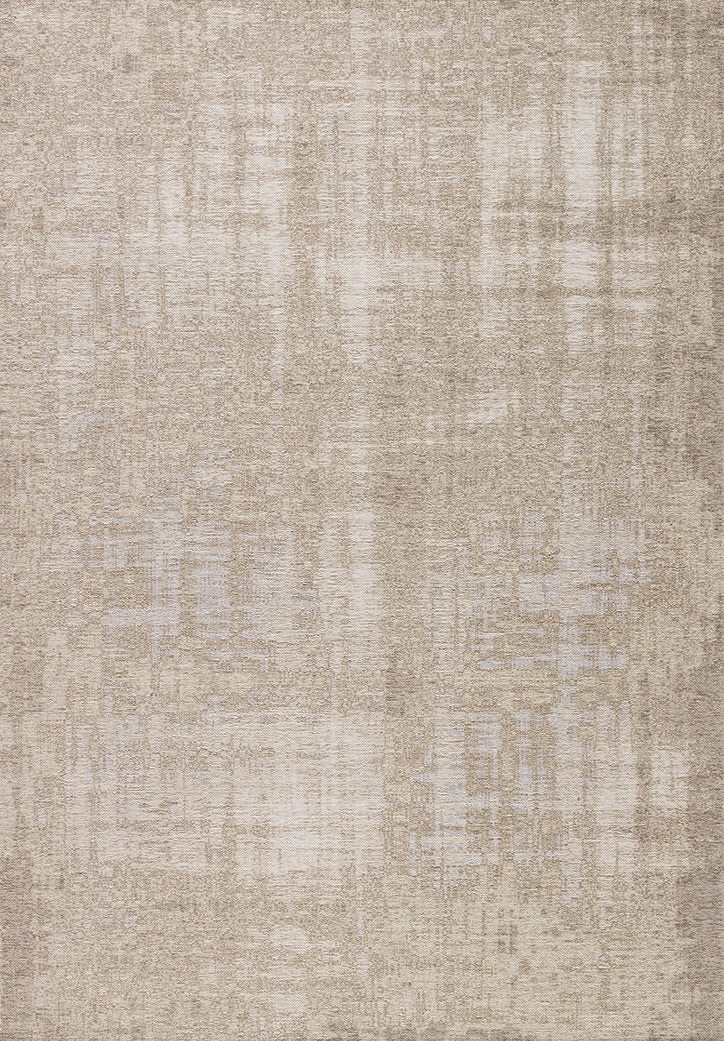
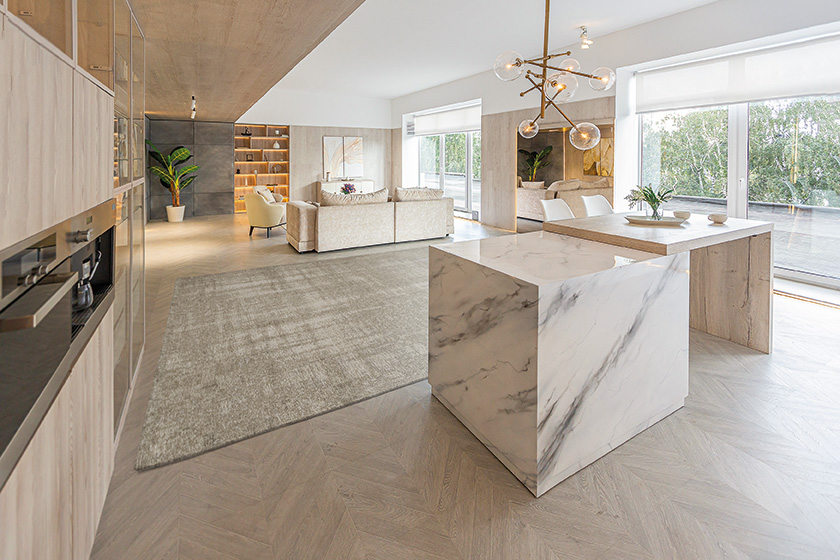


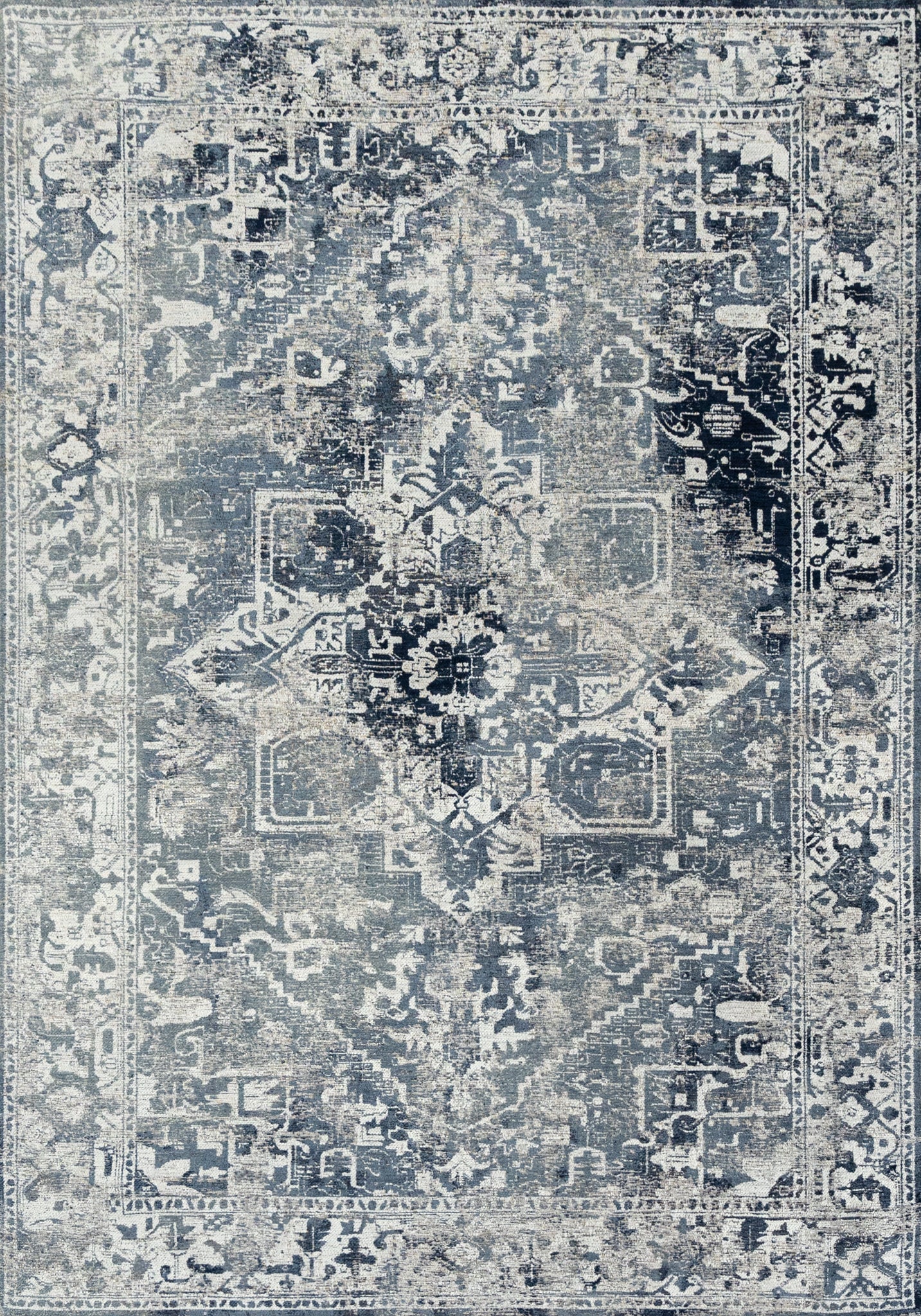
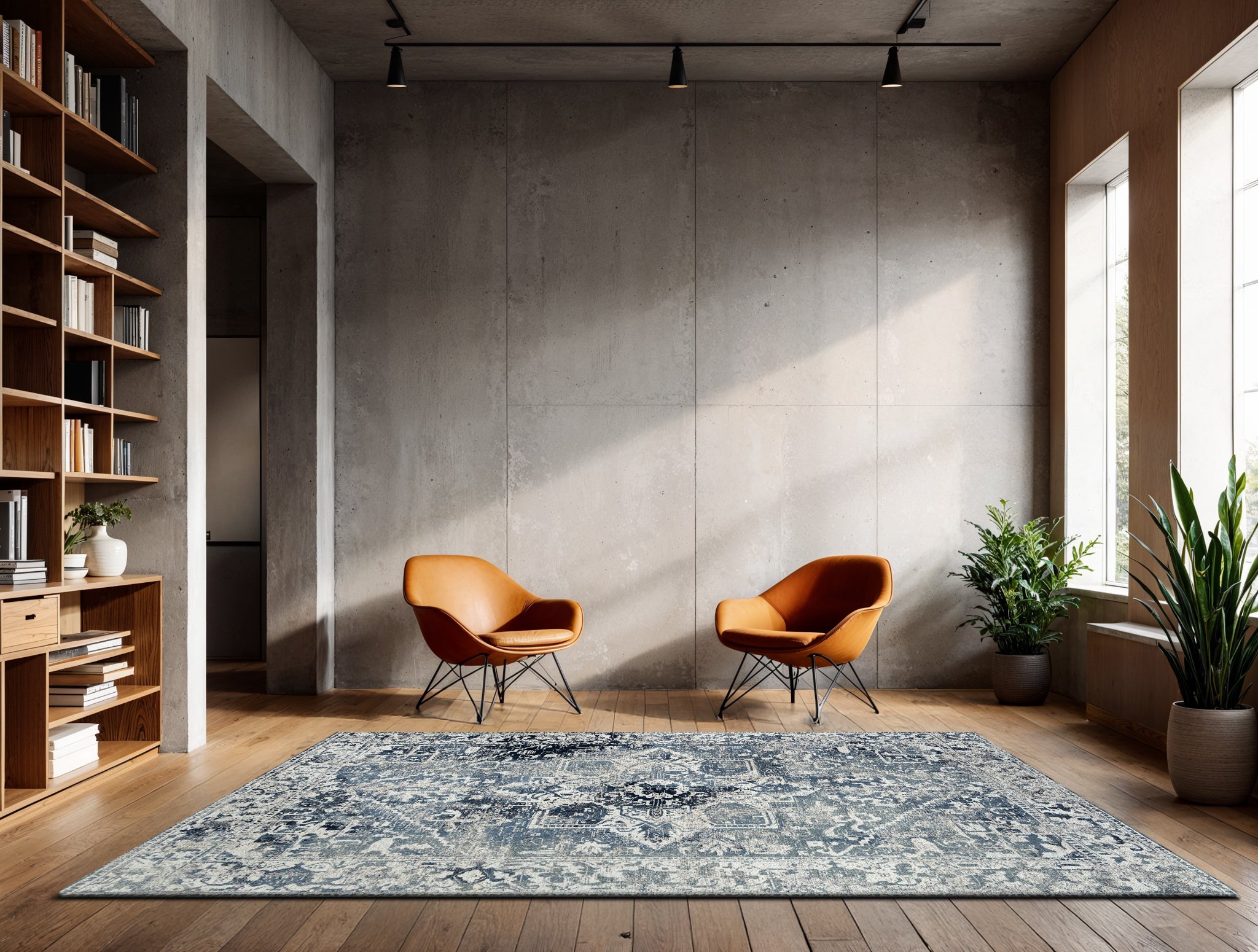


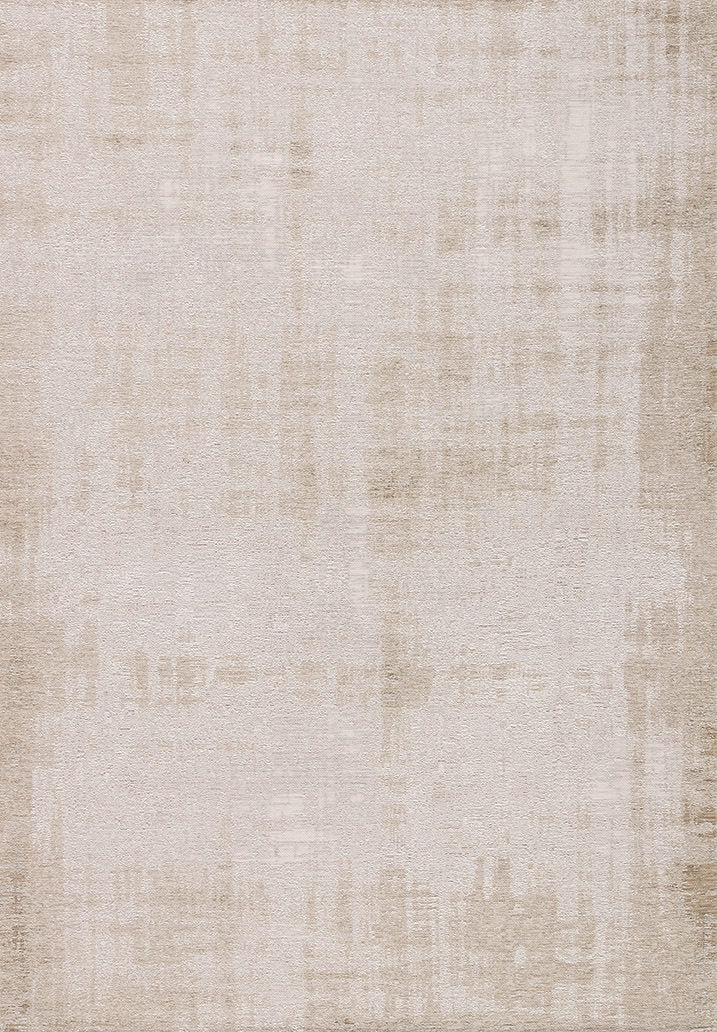
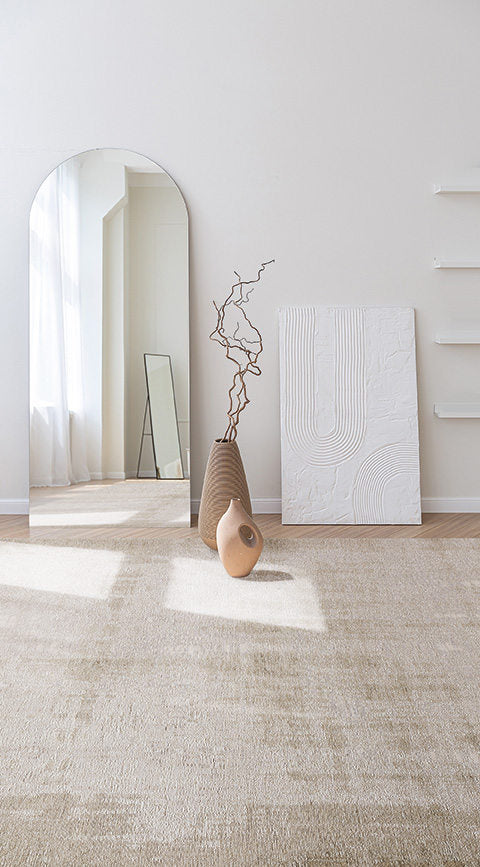


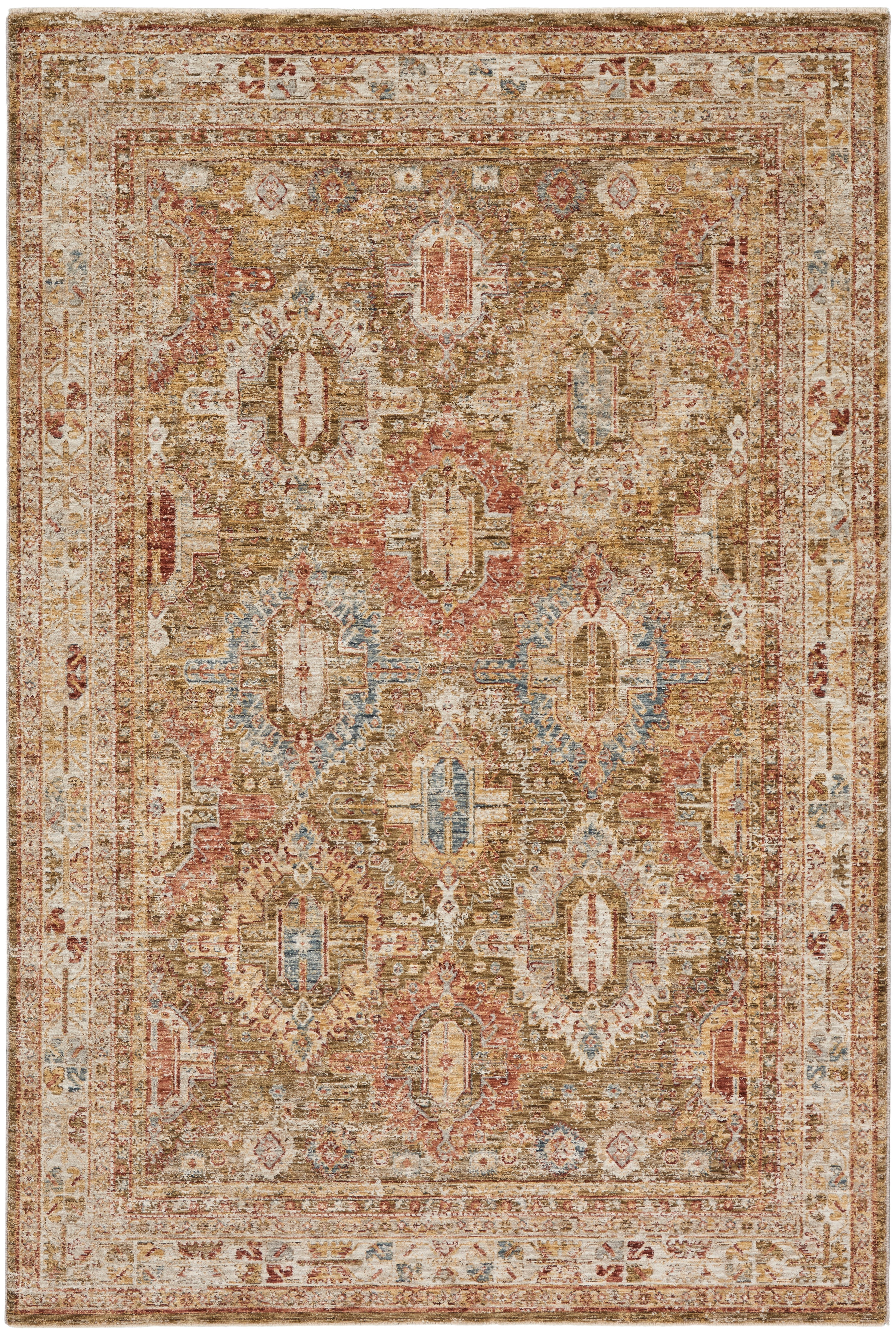
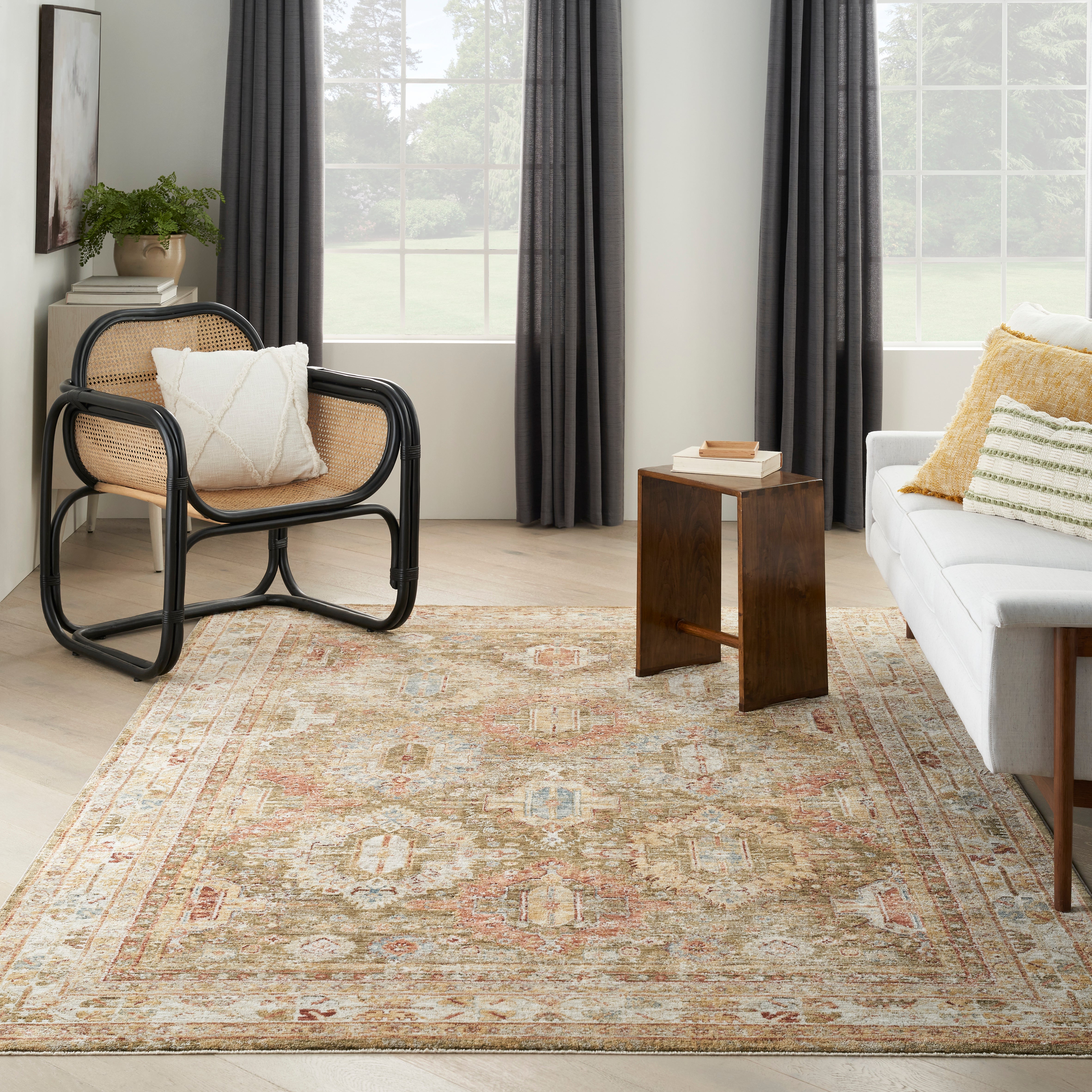


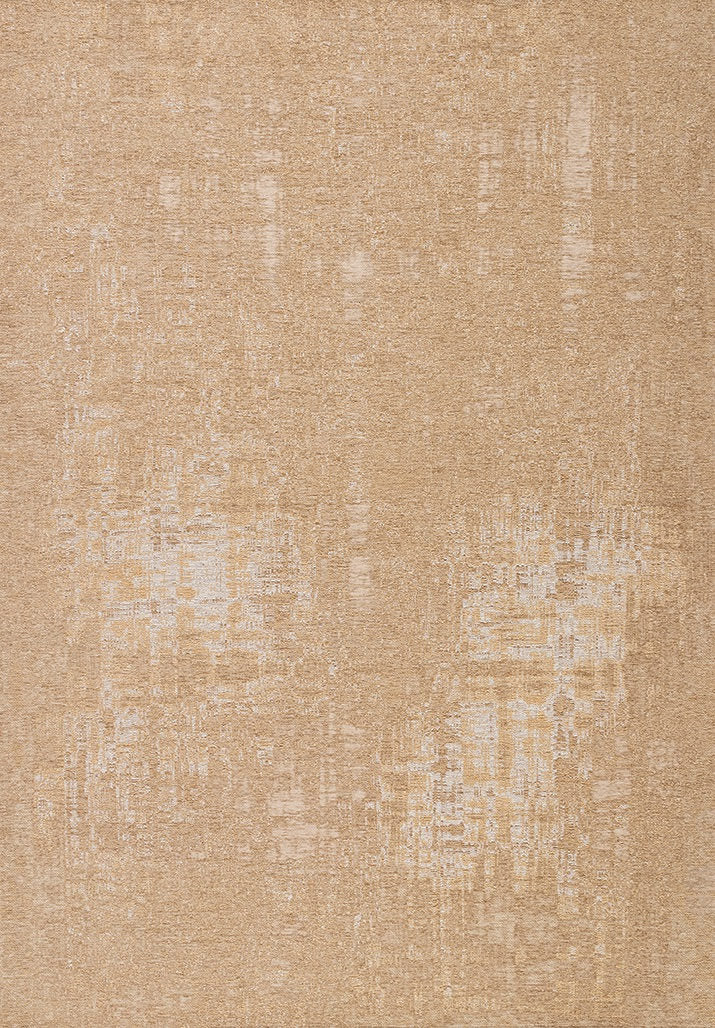
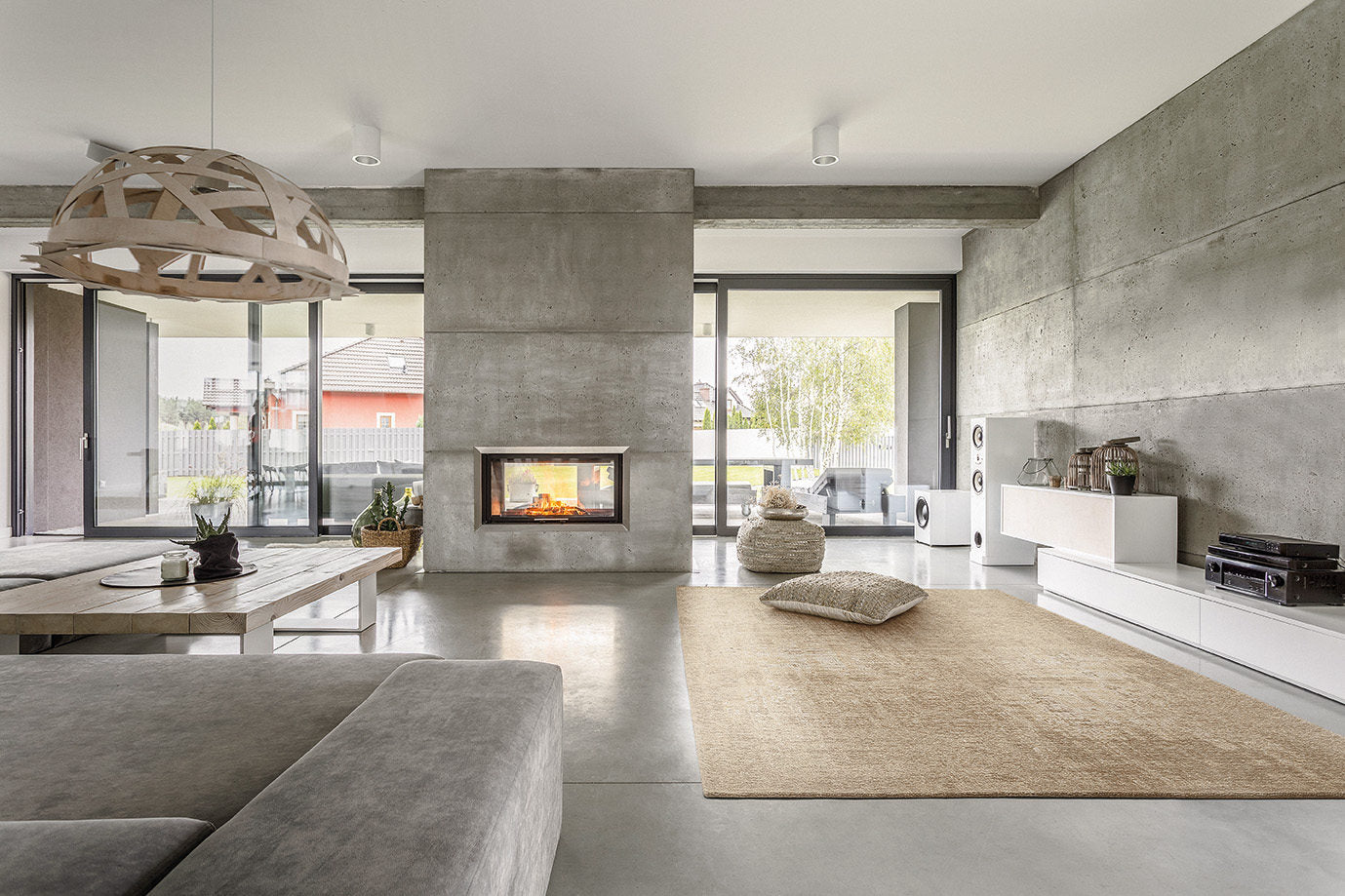
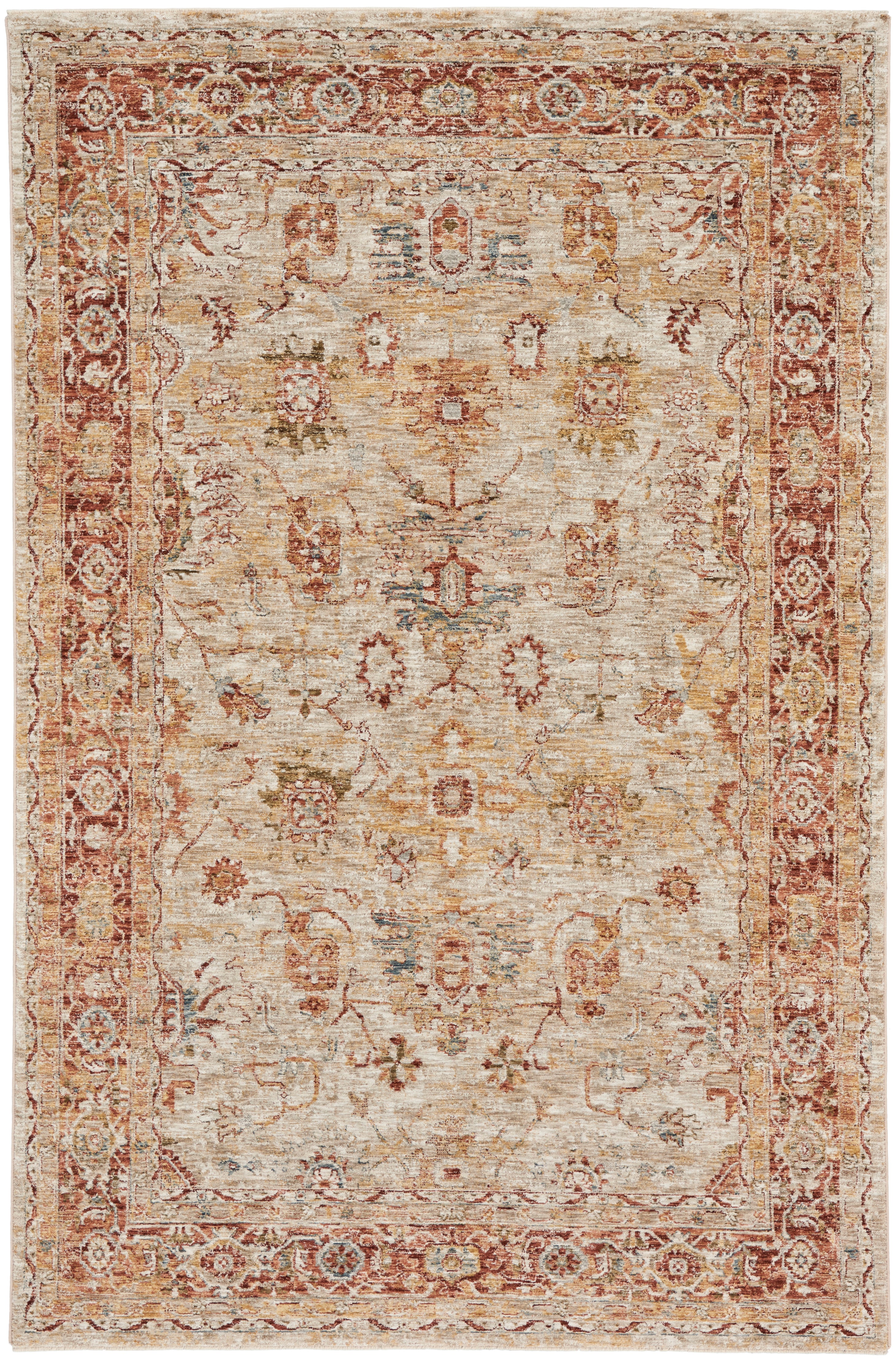
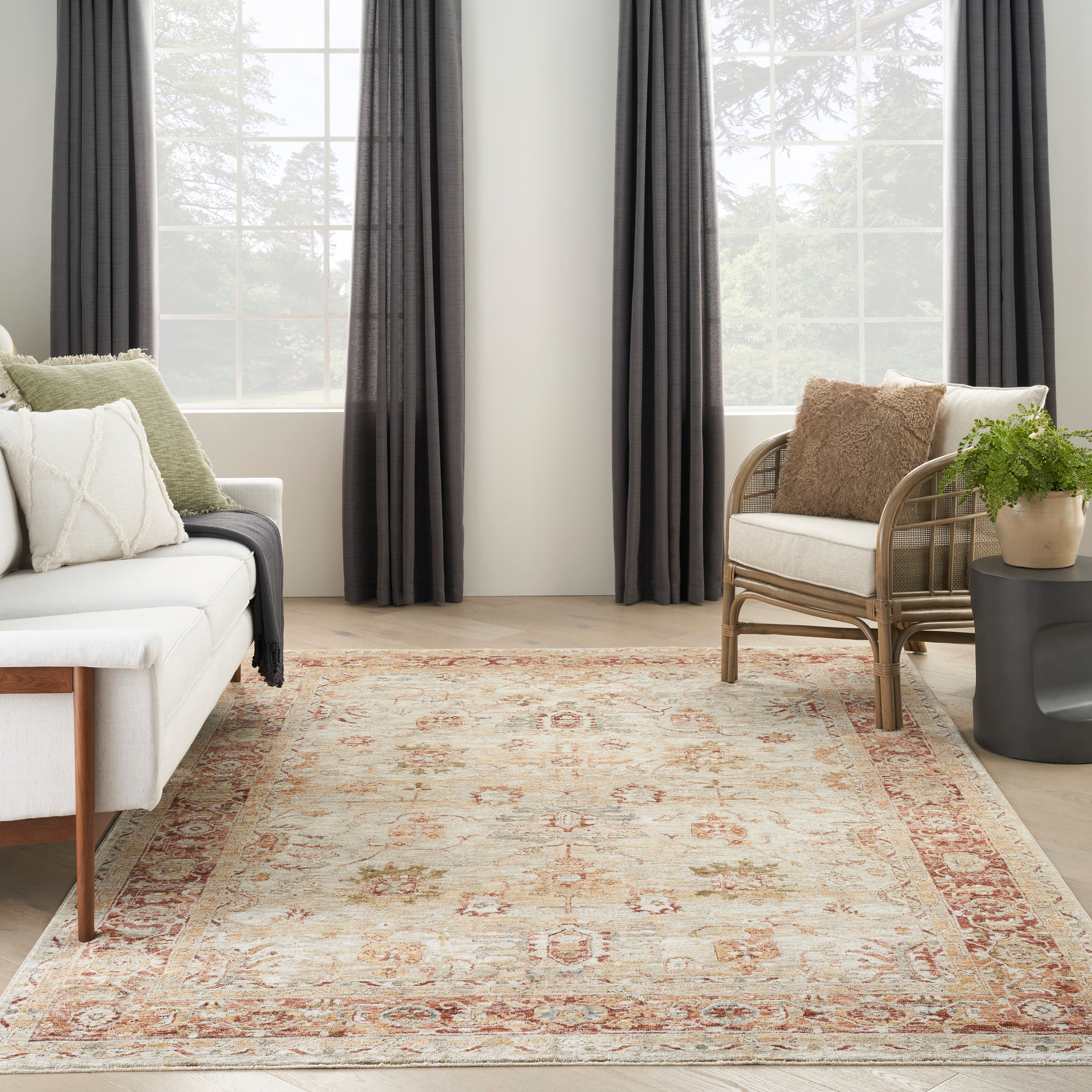


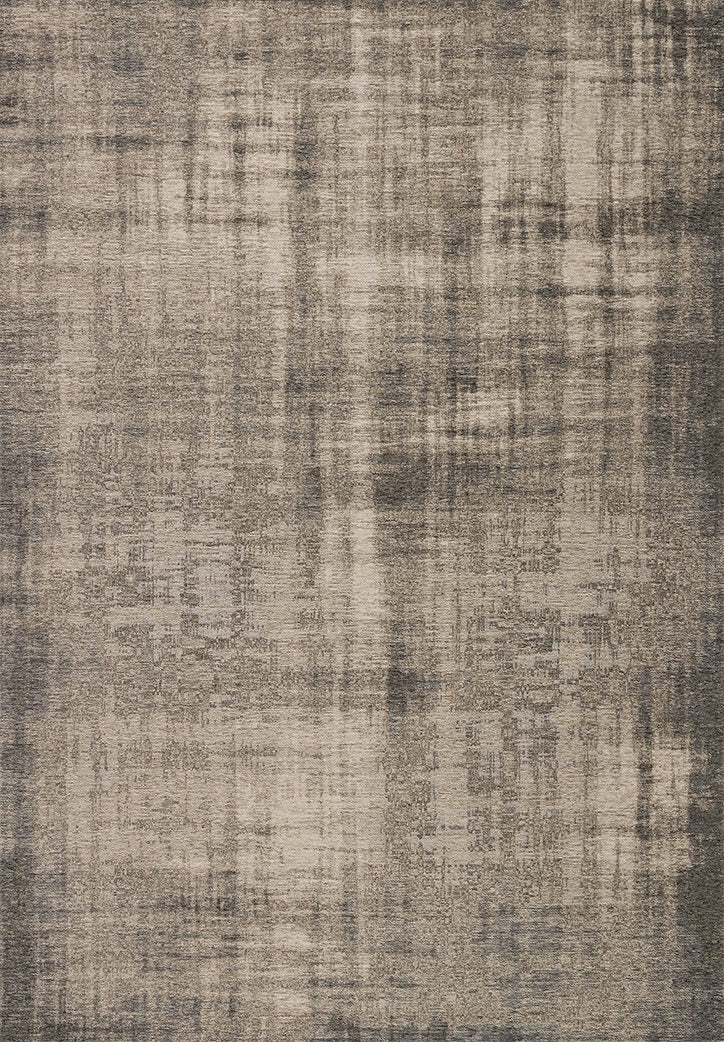
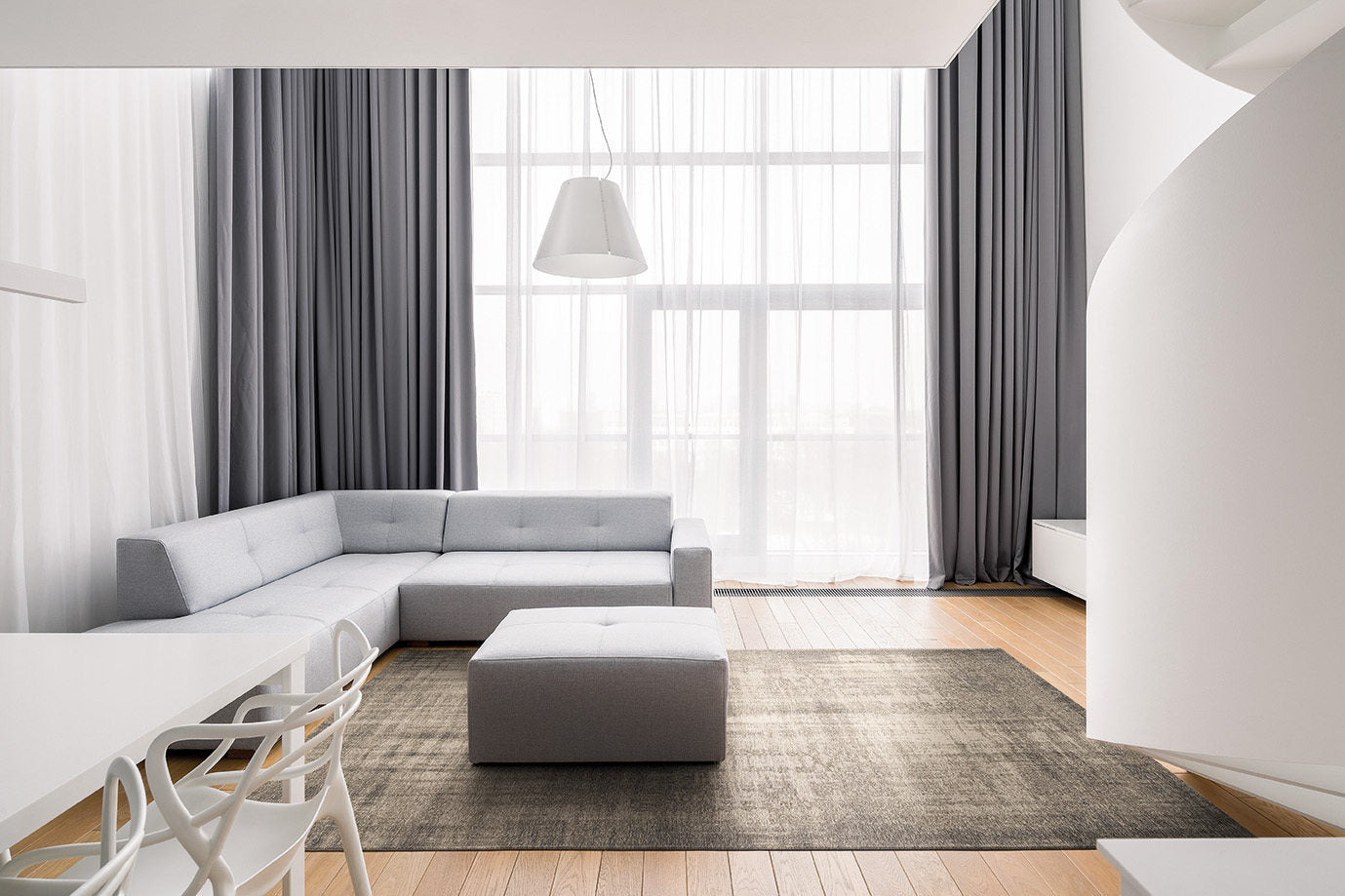
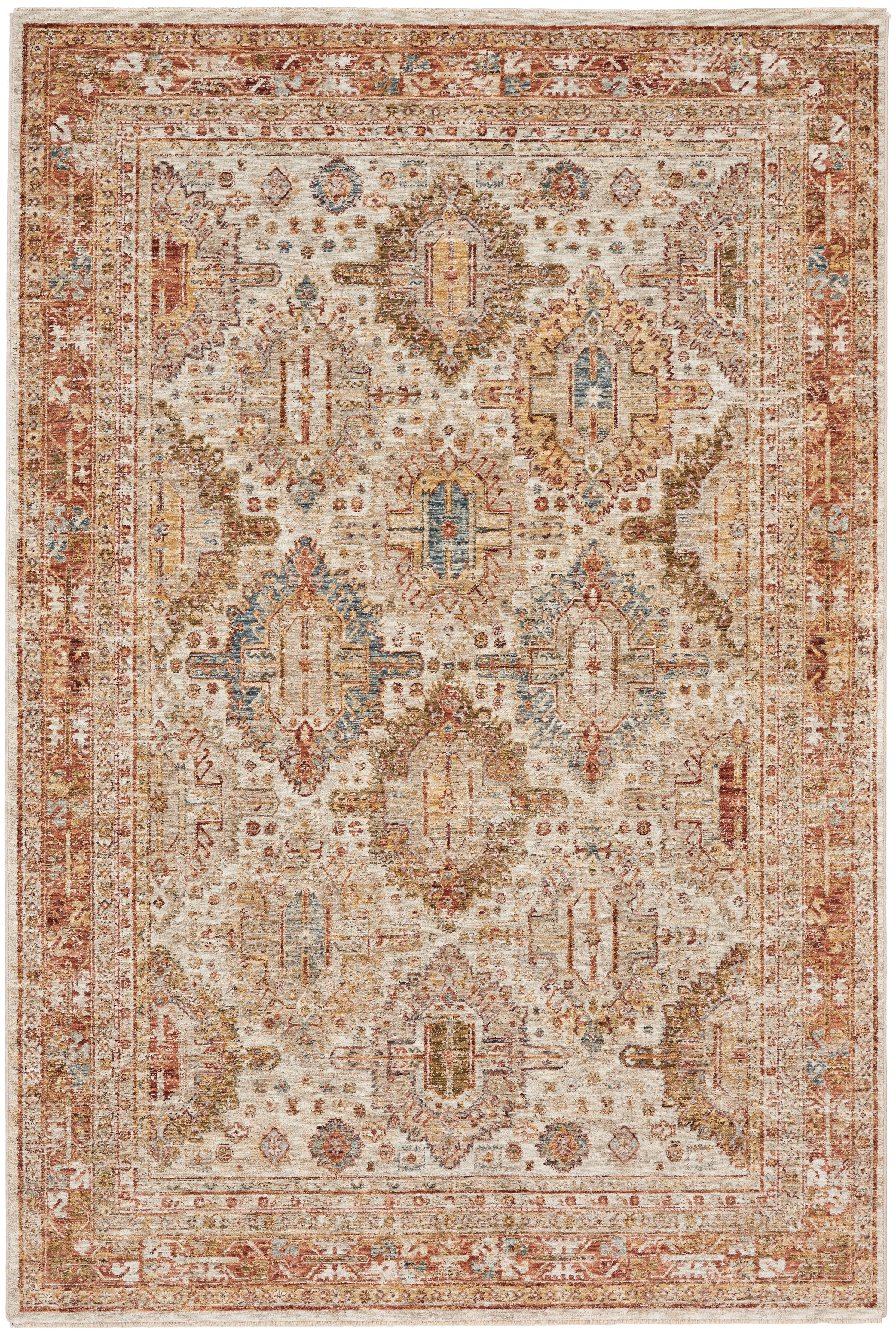
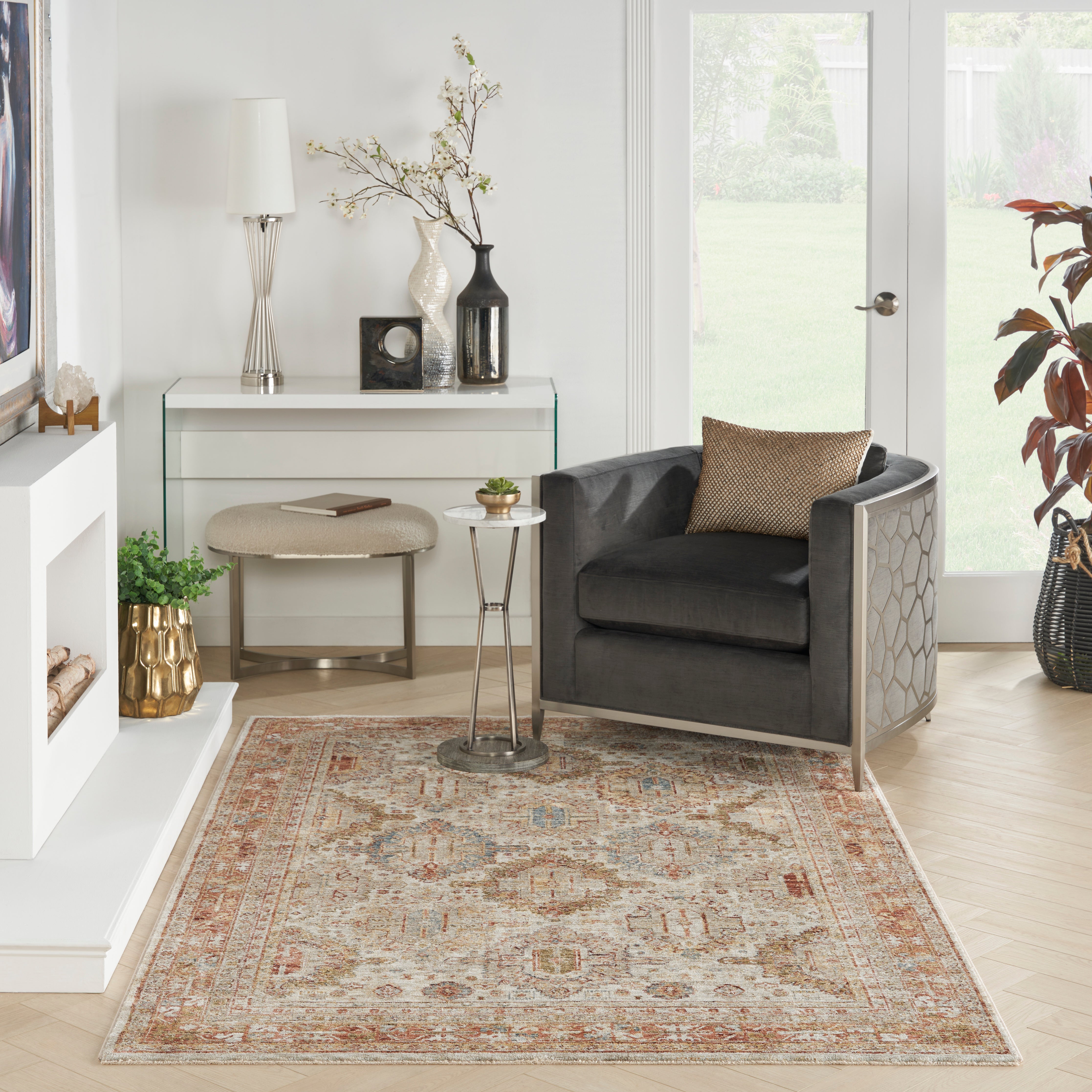


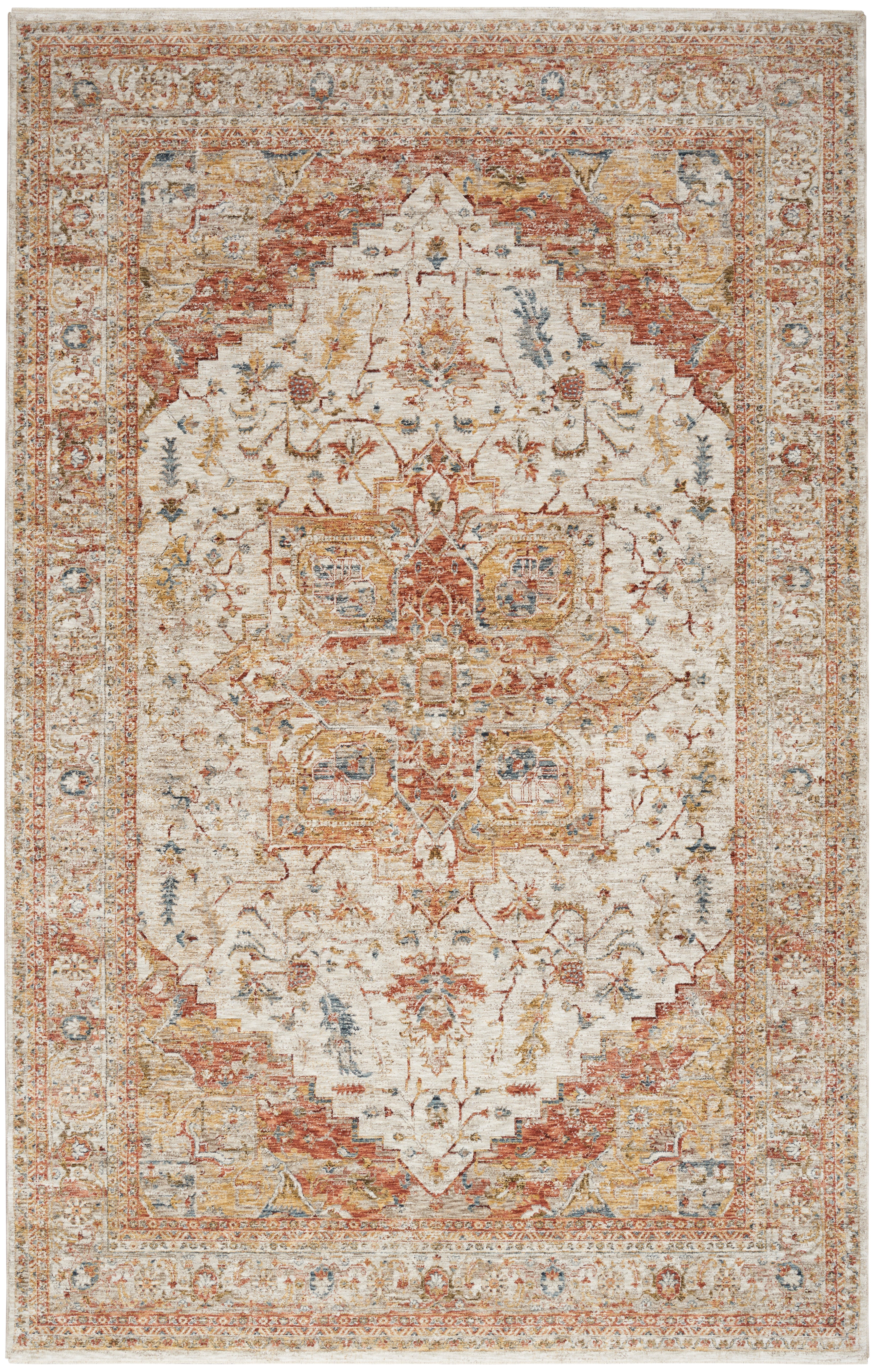
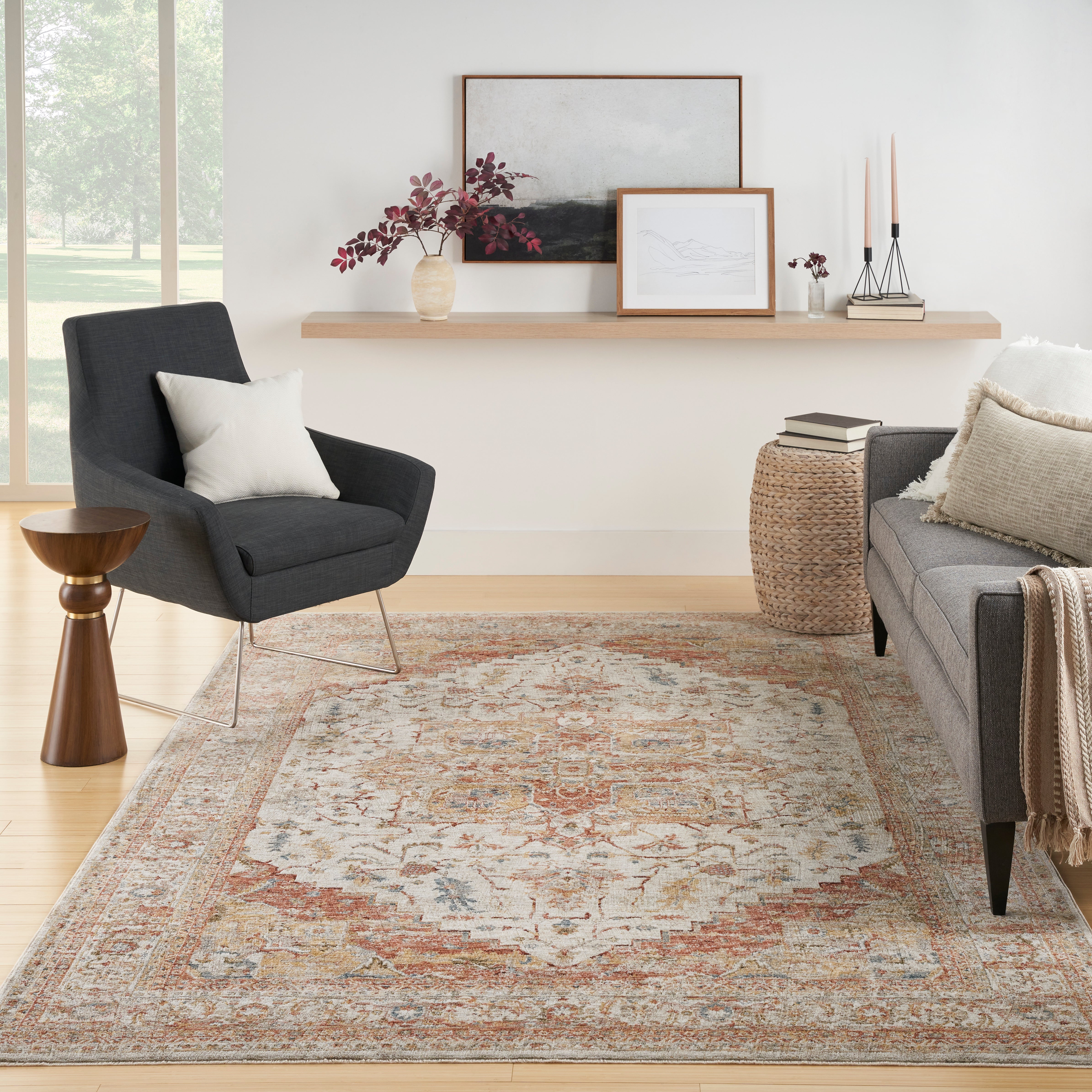


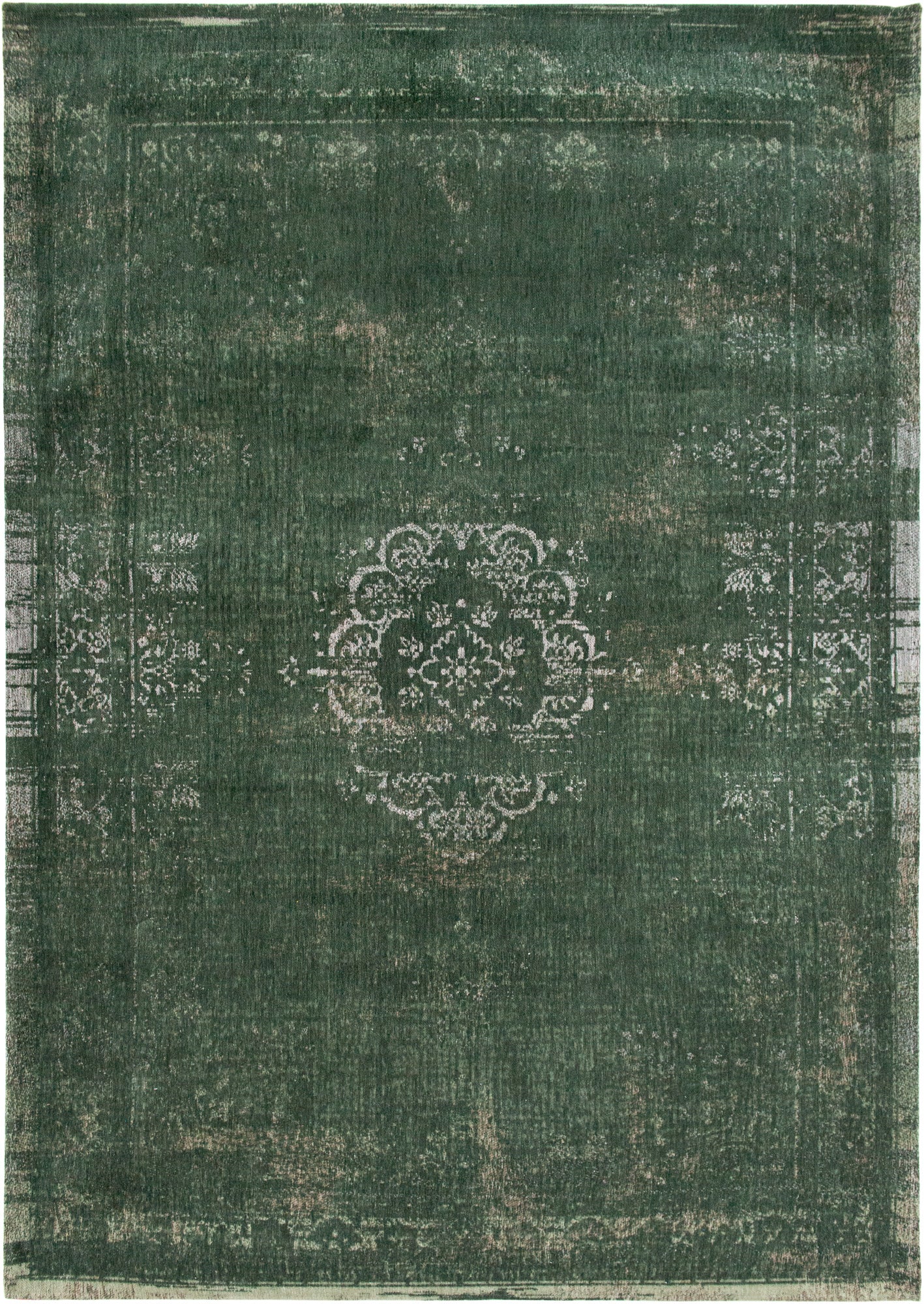
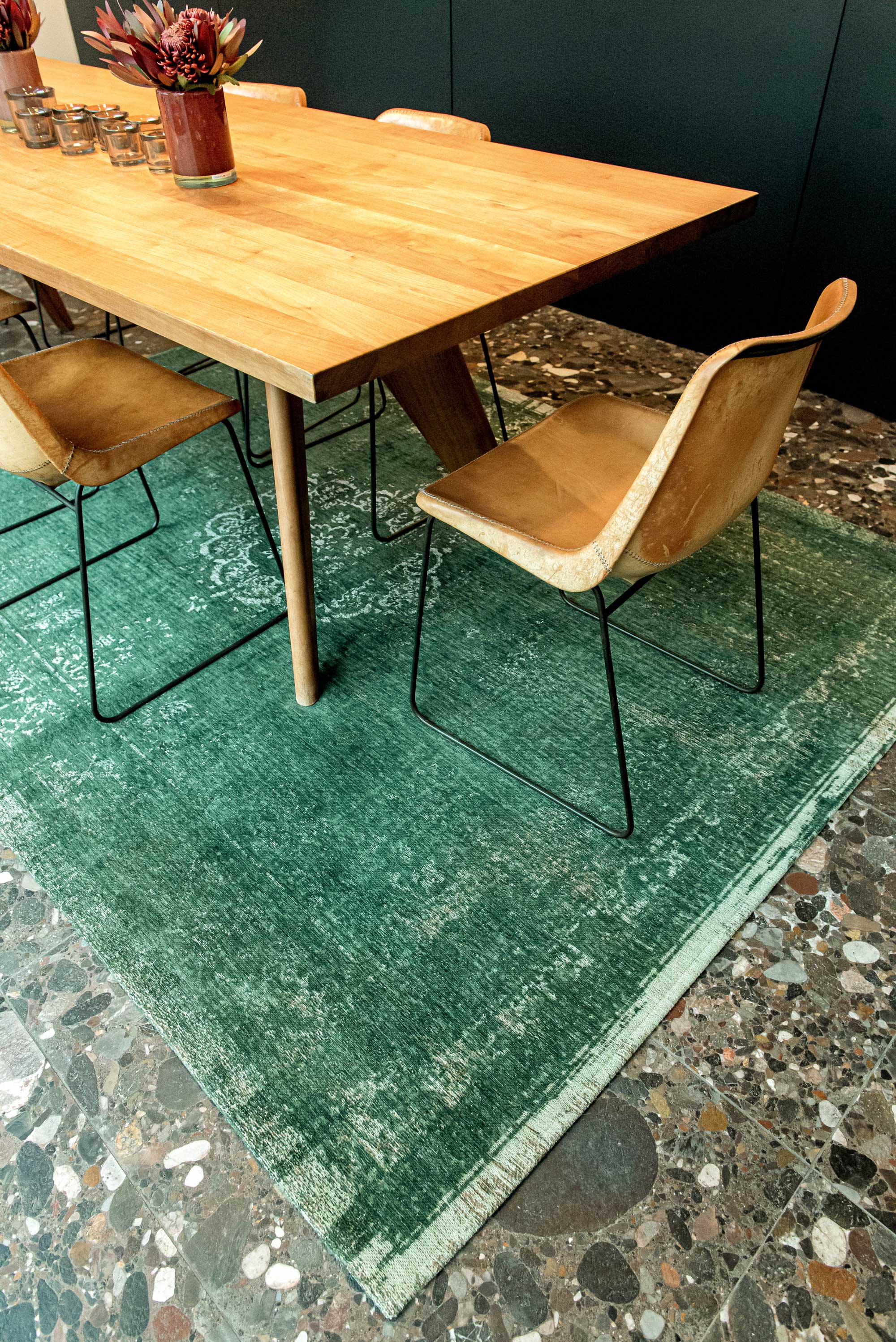


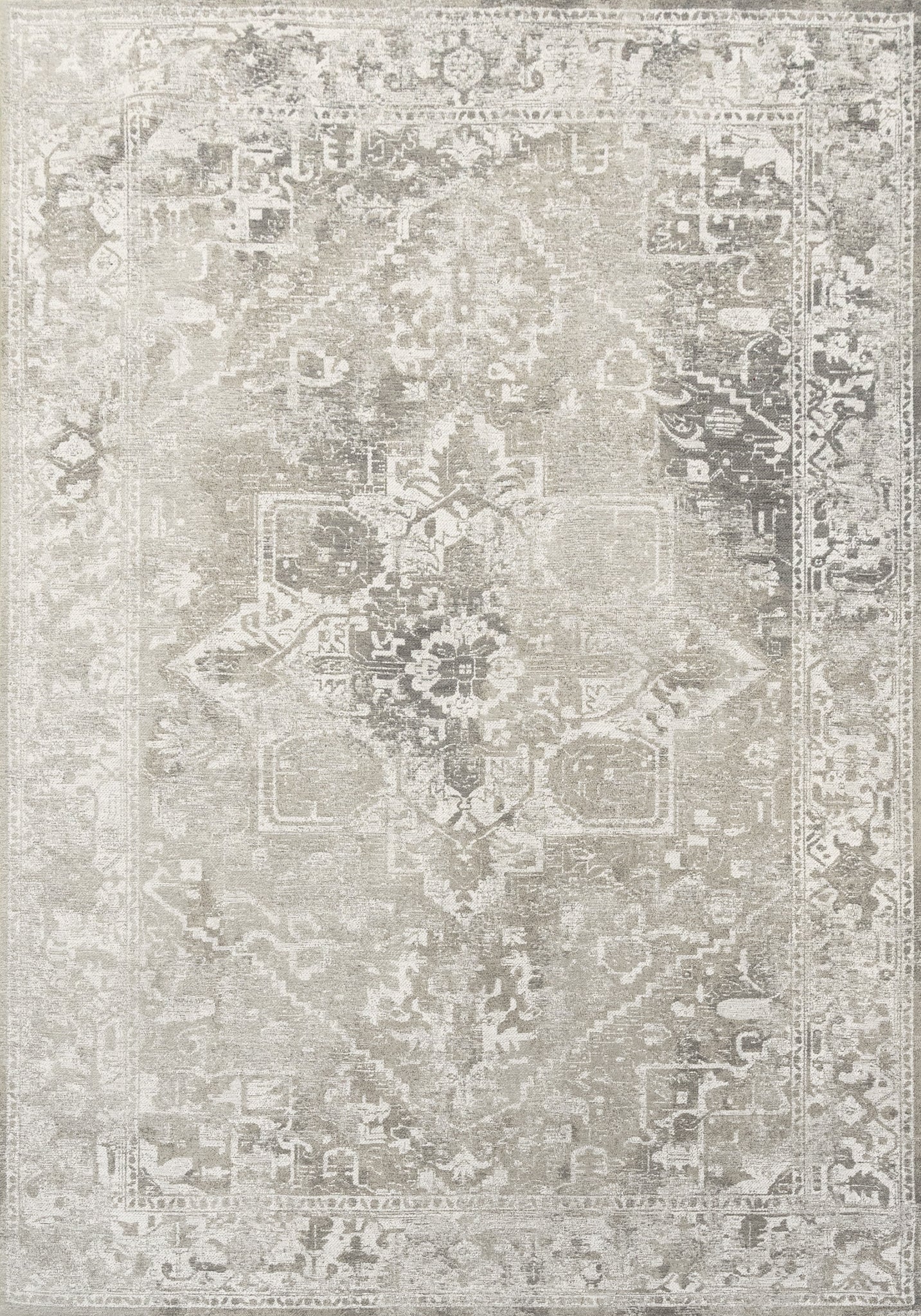
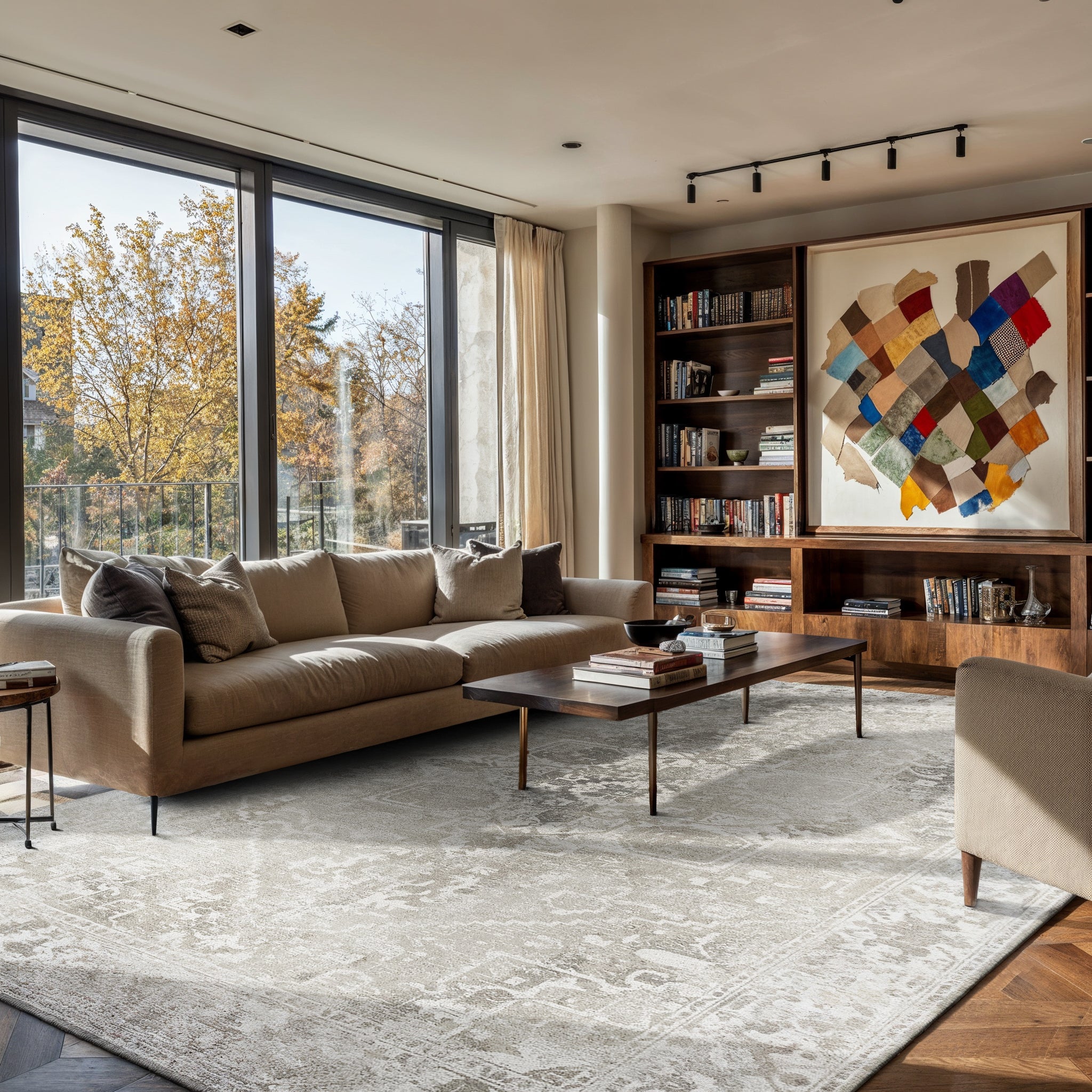
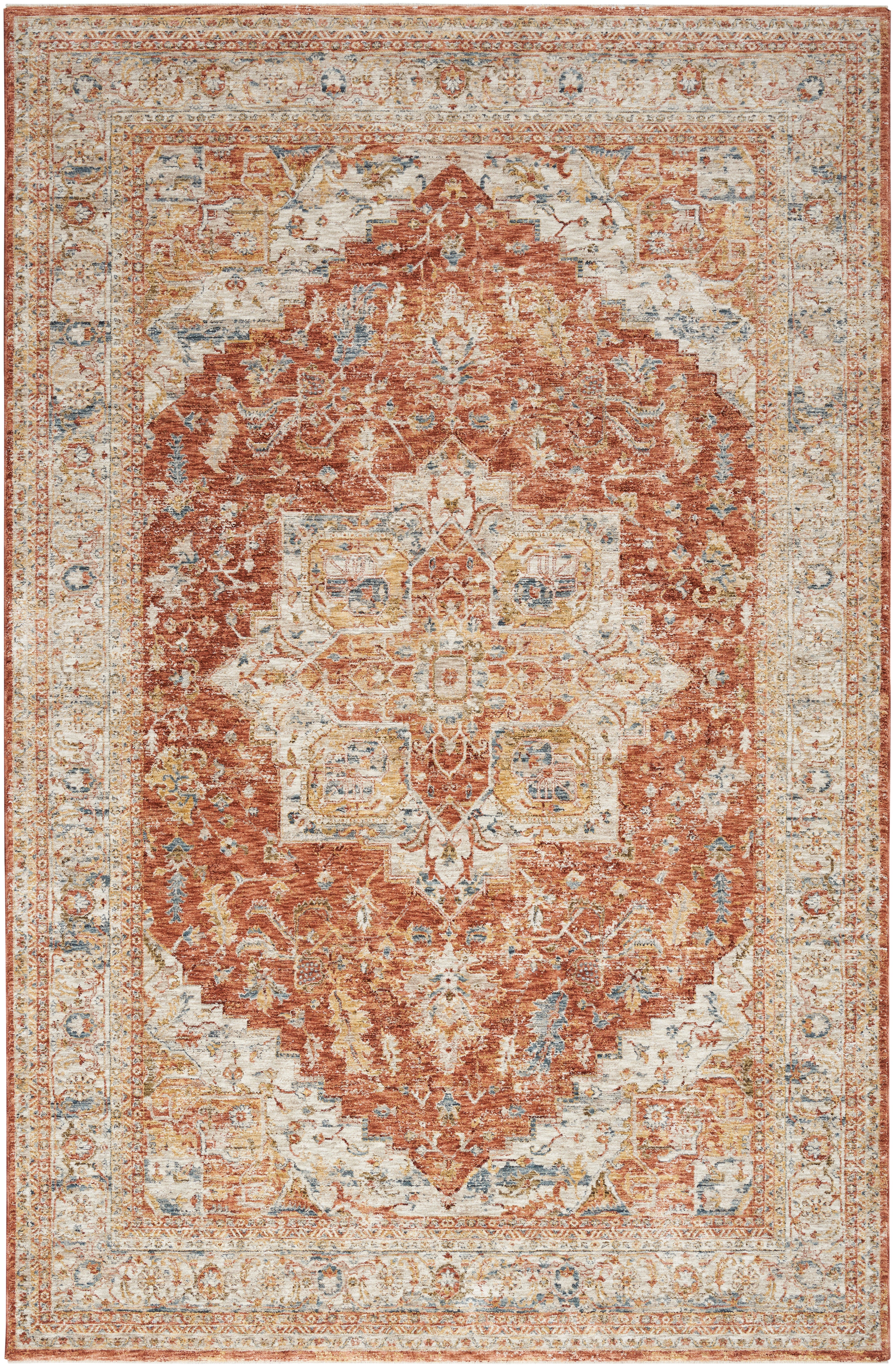
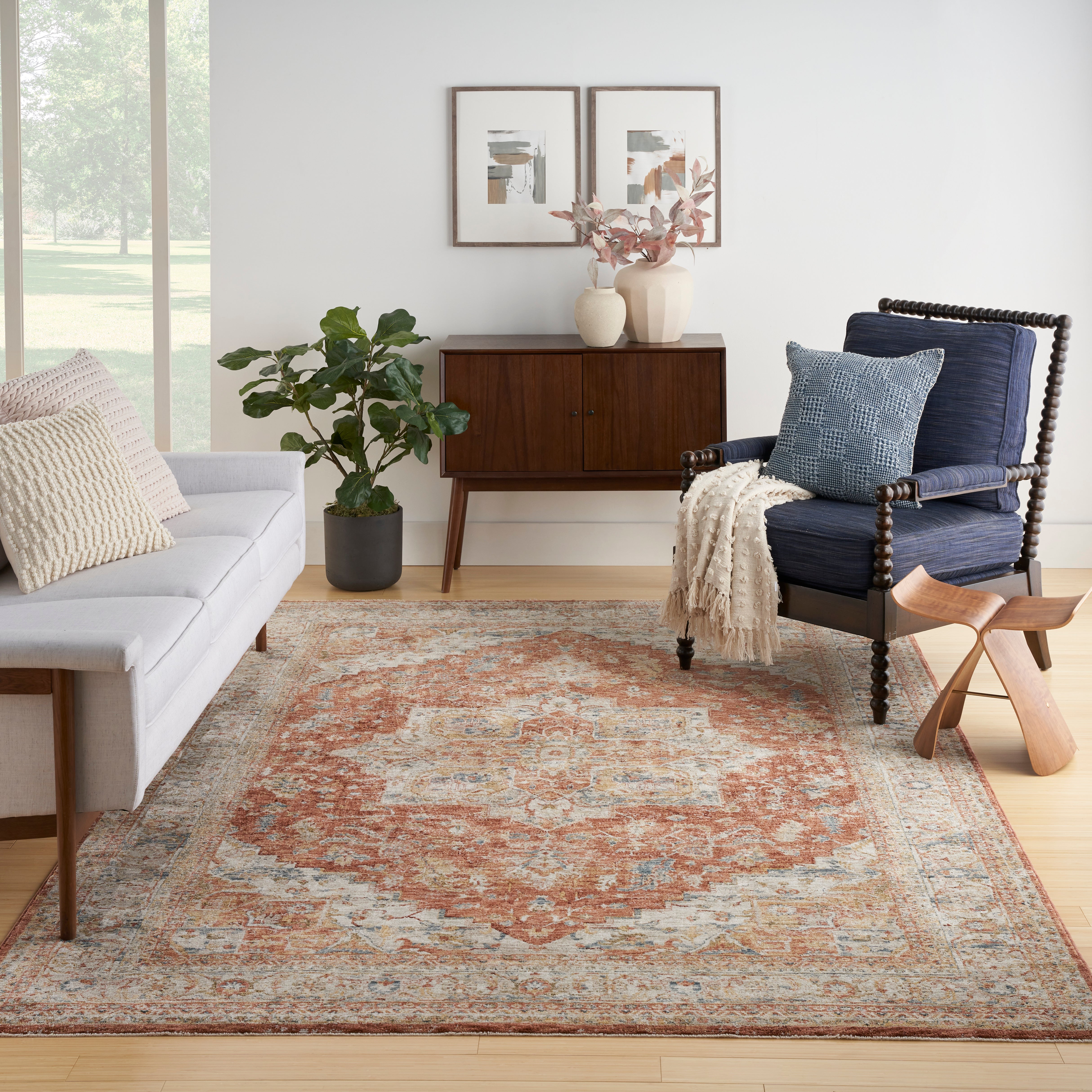


Vintage rugs are more than a decorative choice. They carry a particular kind of character that new rugs simply can't replicate — a sense of history, wear, and individuality that comes from design languages developed over decades and centuries. Whether genuinely aged or designed to evoke that quality, a vintage rug introduces depth and authenticity to an interior that feels collected rather than assembled. Explore our vintage rug collection at Tapison. Free UK delivery and 30-day returns on every order.
What Defines a Vintage Rug Look
The aesthetic is one of quiet richness. Colours that appear to have been softened by time — muted terracottas, faded indigos, worn ochres, dusty mauves. Patterns that reference historical traditions: Persian medallions, Turkish kilim geometrics, Moroccan tribal motifs. Surfaces that suggest use and handling rather than pristine newness. These qualities combine to create rugs that feel as though they belong in a room rather than having been placed there recently.
Modern vintage rugs achieve this through careful design rather than actual age. Washing and distressing techniques create the appearance of fading and wear without compromising the structural integrity of the rug. The result is a piece with the visual appeal of an antique and the durability of a new production. They're rugs that fit into both genuinely old interiors and contemporary spaces looking for warmth and reference.
Styles Within the Vintage Category
Persian-inspired designs remain the most recognisable element of the vintage rug category. Central medallions, intricate borders, symmetrical field patterns — these are design conventions that developed over centuries of Persian and Anatolian weaving tradition. Contemporary manufacturers revisit these patterns with updated colour palettes that make them feel relevant to modern interiors while retaining their historical references.
Kilim-style flatweaves bring a different vintage quality. The geometric boldness of traditional kilim patterns — strong diagonals, bold contrasts, tribal motifs — reads as vintage while also feeling graphically contemporary. A kilim-style rug works in interiors that mix old and new, bringing a cultural depth that balances against more modern furnishings without overwhelming them.
Distressed and overdyed rugs represent a more contemporary approach to vintage aesthetics. Overdyeing involves taking an existing rug — often with a faded or worn original pattern — and dyeing it in a solid, often vivid colour. The result is a piece that retains the texture and character of an aged rug while taking on a completely different visual identity. Cobalt blues, deep burgundies, and bold greens are common overdye colours.
Faded effect rugs are designed from scratch to appear aged. The pile is treated to create an intentionally softened, washed-out appearance that suggests years of sunlight and use. These rugs often work beautifully in rooms with white or pale walls, where their muted tones create warmth without competing with other elements. They're particularly effective in bedrooms and living rooms designed around a relaxed, layered aesthetic.
How Vintage Rugs Work in Contemporary Interiors
The versatility of vintage rugs is perhaps their most useful quality. In a contemporary interior with clean lines and neutral tones, a vintage rug adds warmth and visual interest without disrupting the overall calm. The rug becomes the element that prevents the space from feeling clinical, introducing pattern and depth in a way that feels considered rather than accidental.
In more traditional interiors, vintage rugs feel obviously at home. They reinforce the sense of accumulated history that period properties often carry naturally. A Persian-inspired rug in a Victorian hallway or an Anatolian-patterned piece in a Georgian drawing room creates a continuity of reference that makes the space feel authentic rather than decorated.
Layering is increasingly common in interior design, and vintage rugs work exceptionally well as the base layer beneath smaller contemporary pieces. The vintage rug provides scale and richness, while the layered piece adds focus and contrast. This approach works particularly well in larger rooms where a single rug might feel lost, or where you want to define different zones within an open-plan space.
Choosing a Vintage Rug for Your Space
Scale matters significantly with vintage rugs. Because the patterns are often complex and detailed, choosing the right size ensures the design reads properly rather than being compressed into a space too small to contain it. For living rooms, err on the side of larger. The pattern needs room to breathe, and the rug should anchor the seating area rather than sitting awkwardly beneath it.
Colour selection in vintage rugs is more forgiving than it might appear. The muted, aged quality of vintage colours means they sit alongside other elements without clashing in the way that more saturated contemporary colours might. A terracotta vintage rug will work with grey sofas. A faded indigo piece will complement warm wood tones. The softening of age — real or designed — is what makes these combinations work.
Material choices in vintage rugs range from wool and cotton for traditional warmth and durability, to polypropylene for flatweaves that can handle outdoor spaces or high-traffic areas. The right material depends on where the rug will be placed and how much use it will receive.