
Collection: Wool Rugs
The rug purchase you make once.
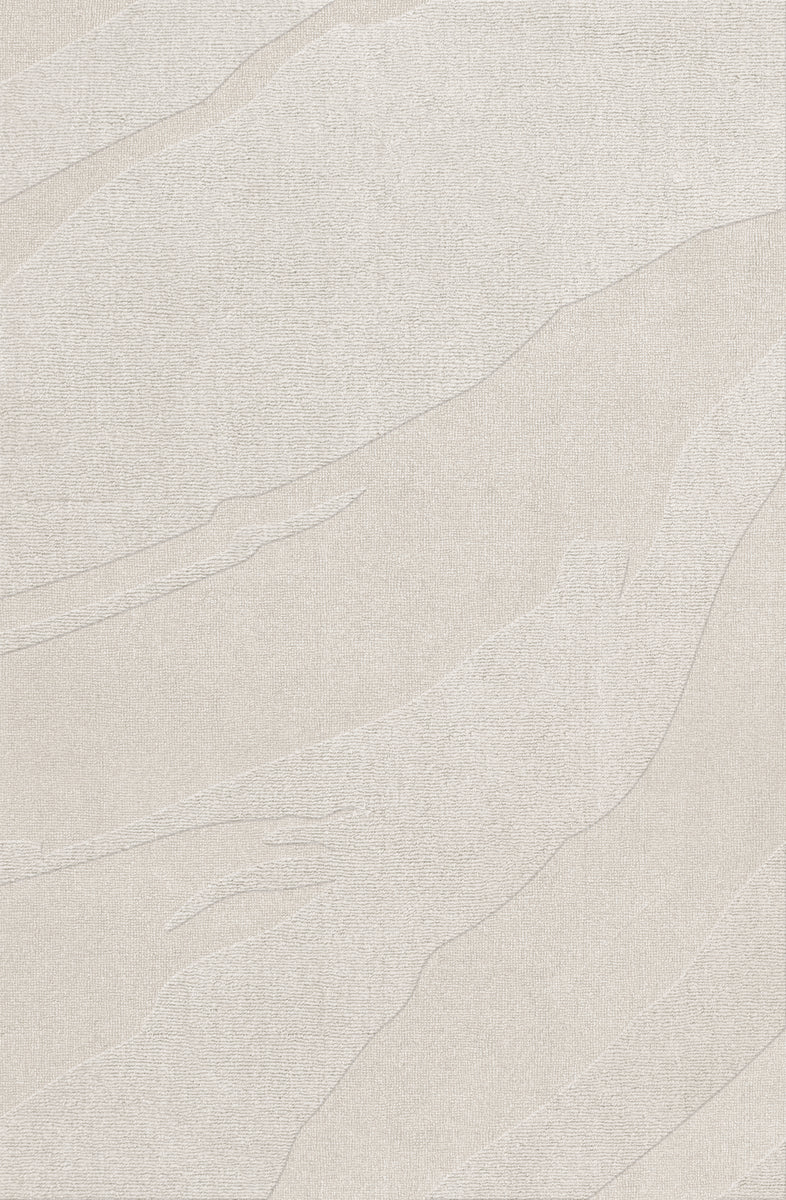
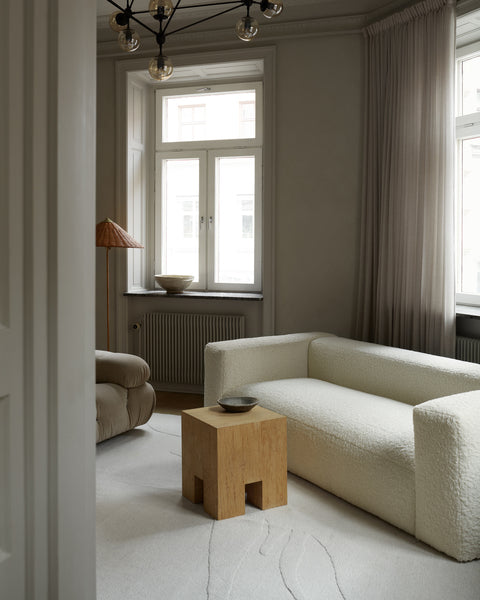


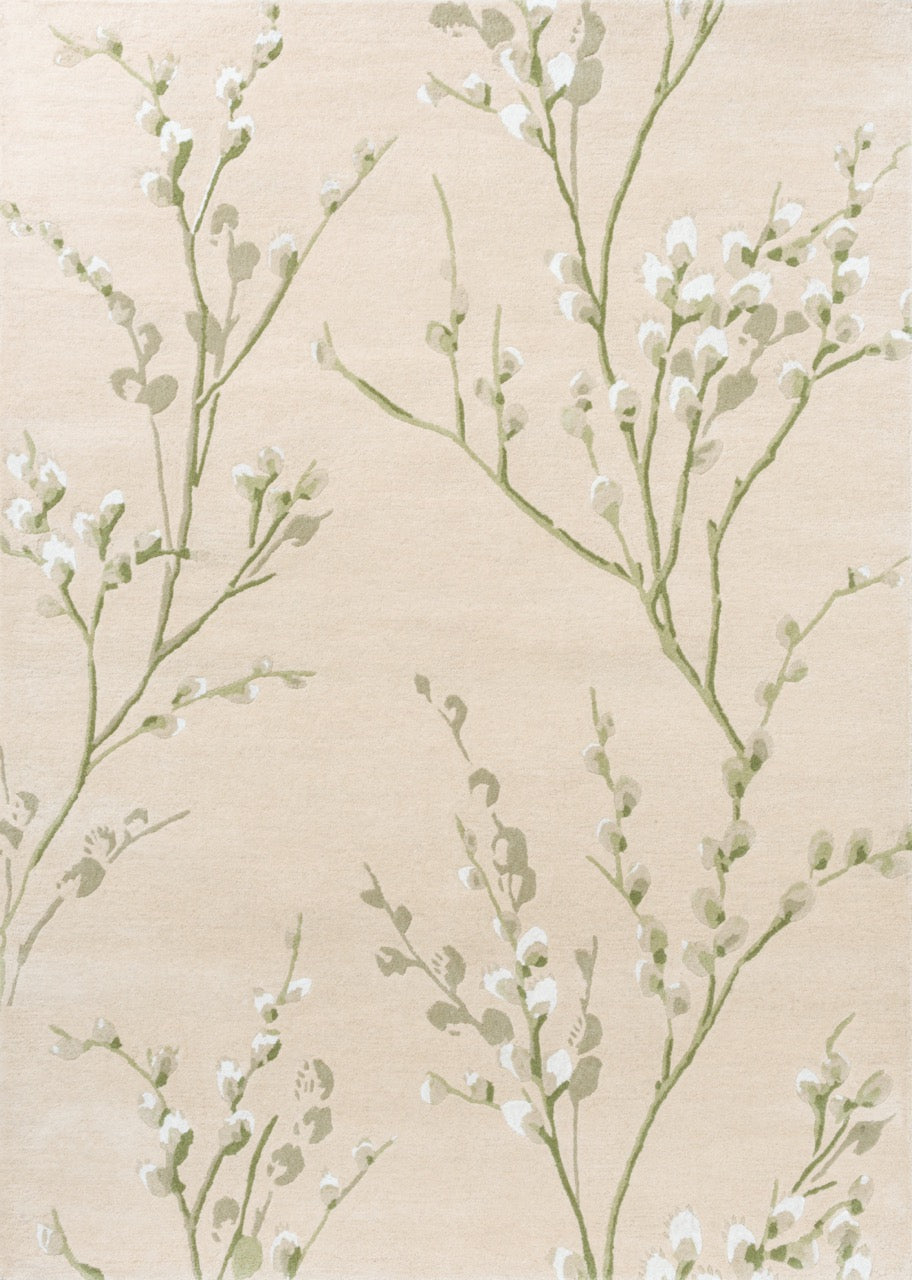
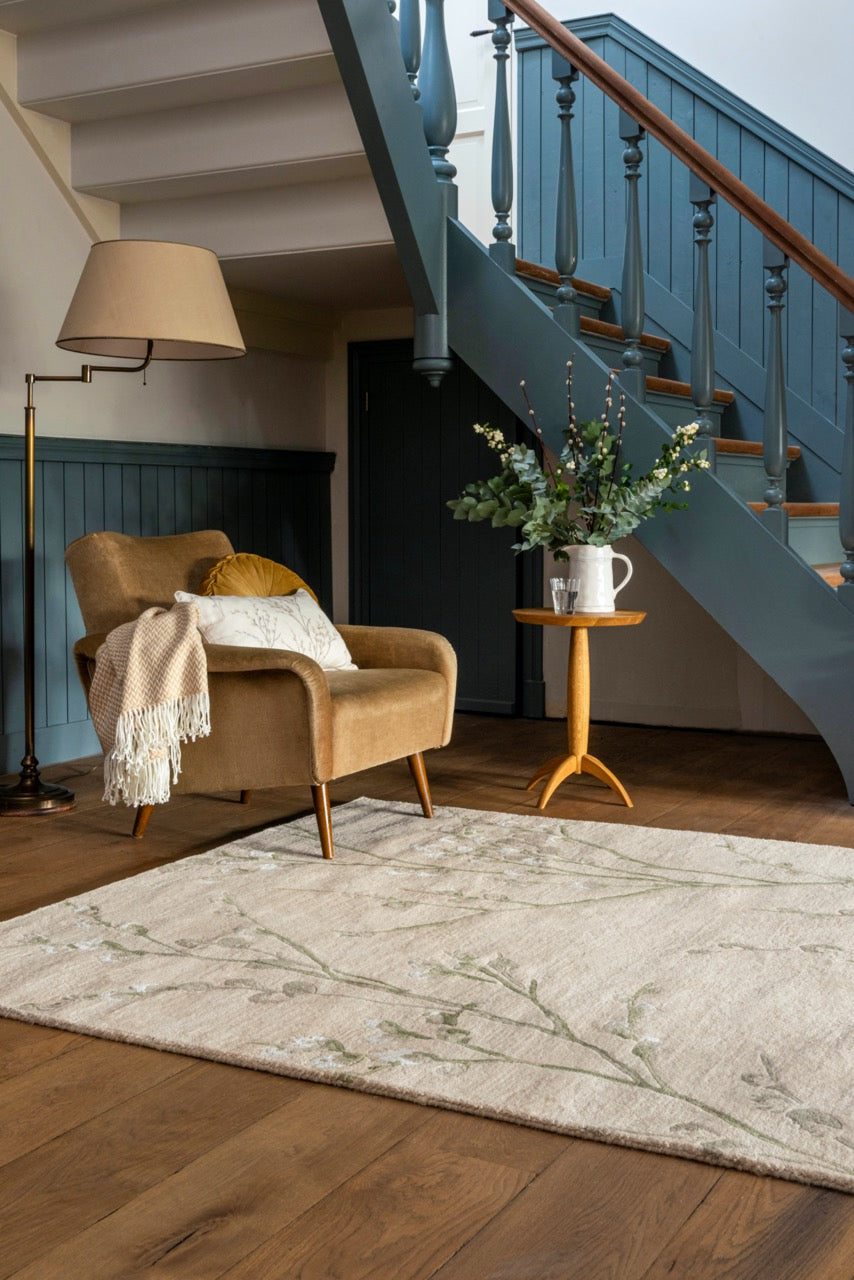

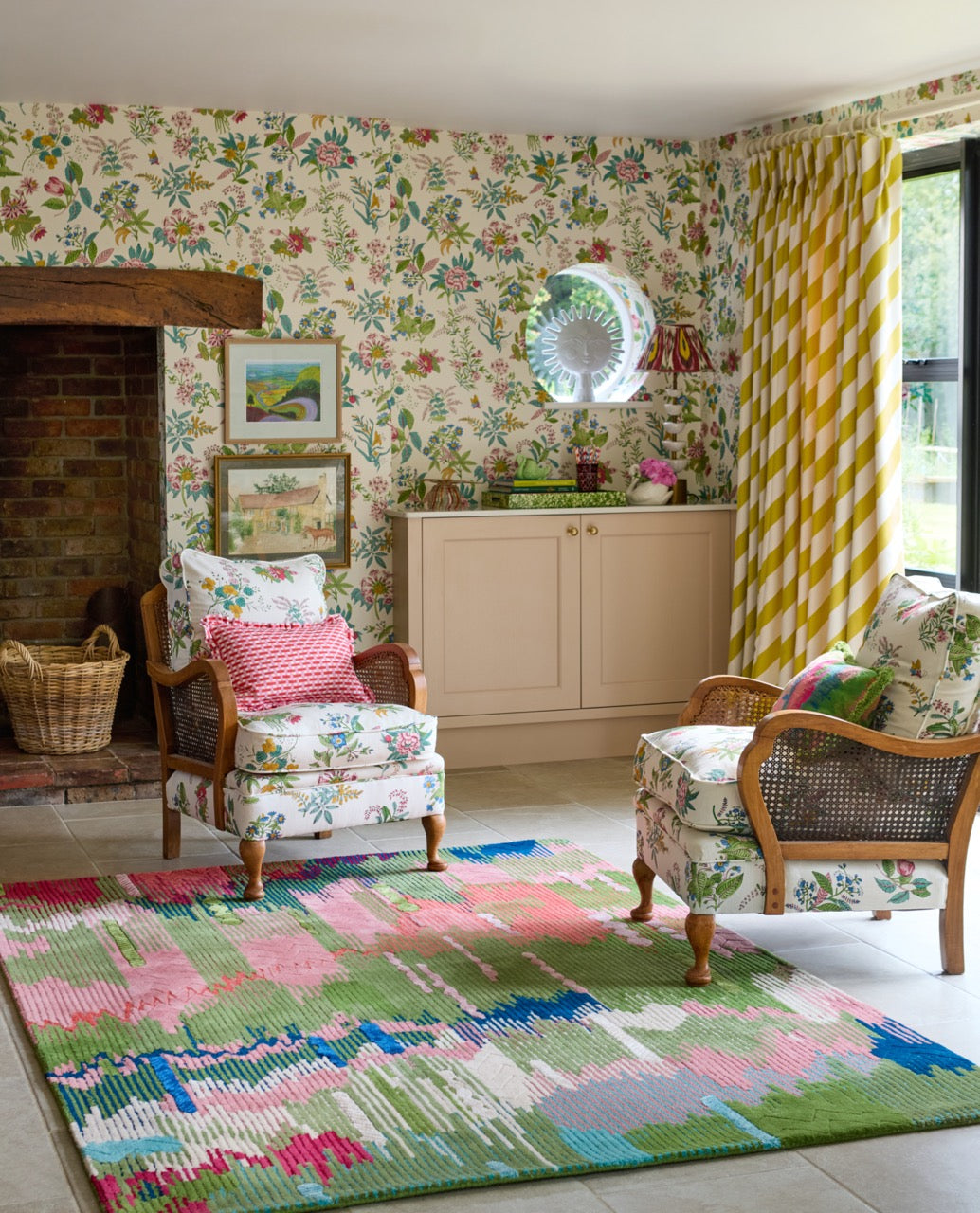


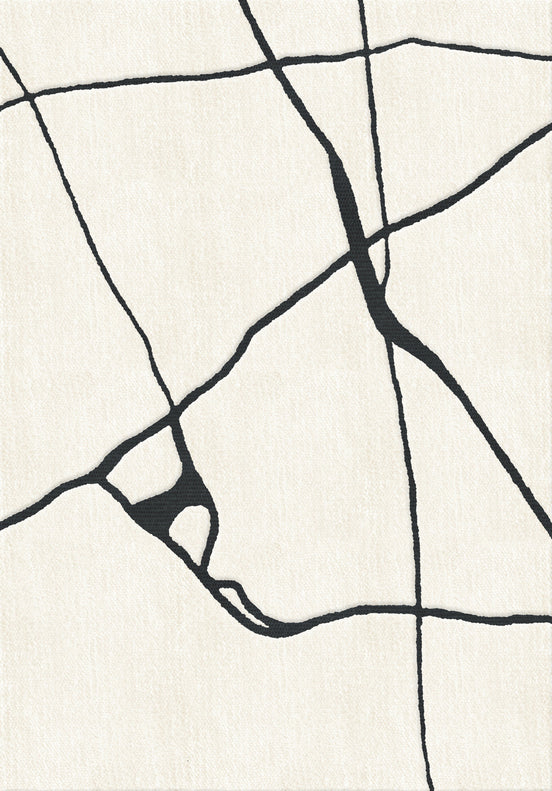
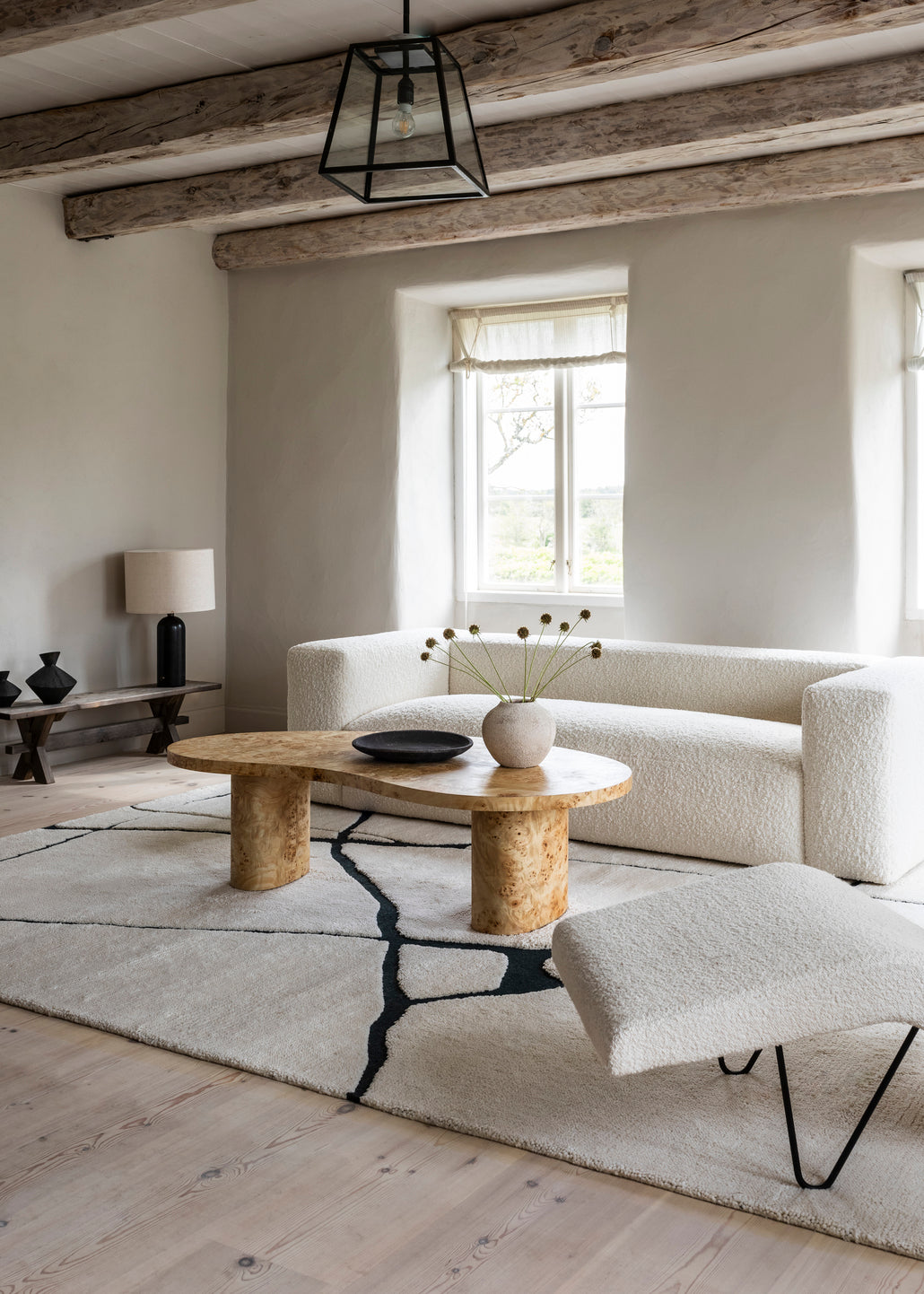
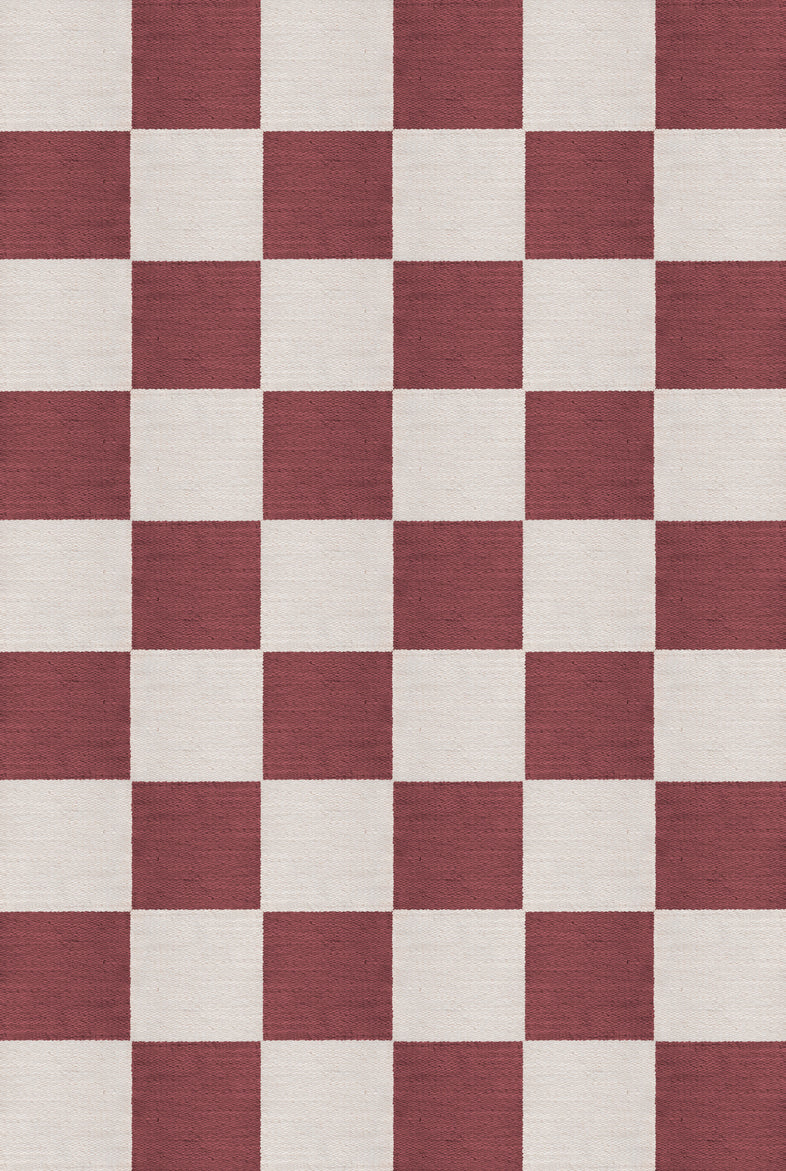
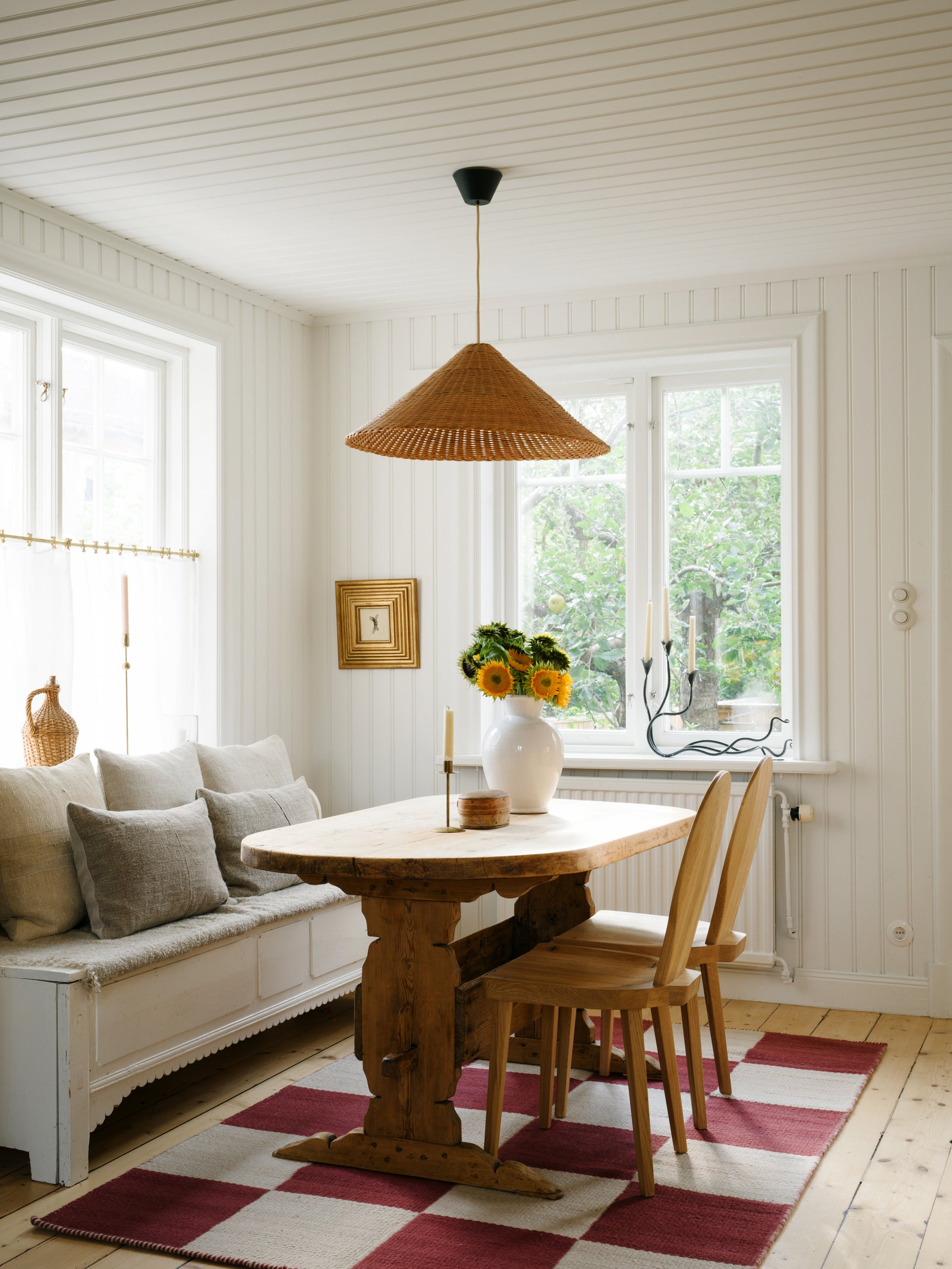
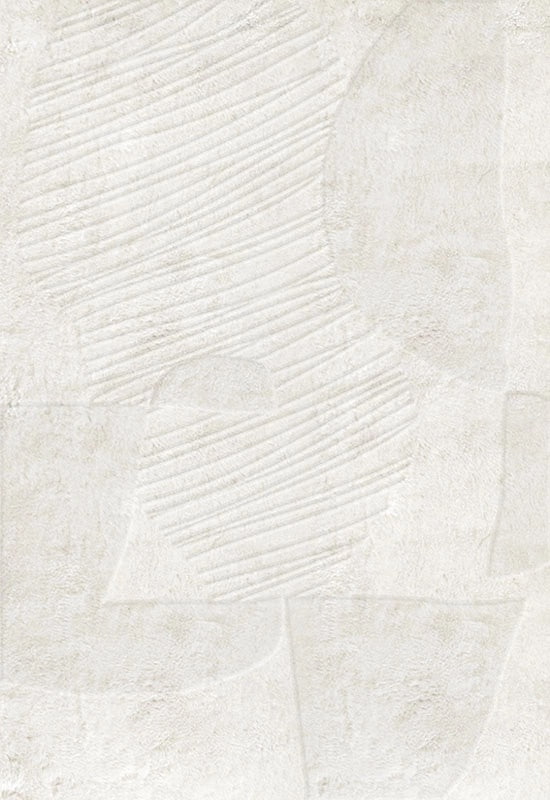
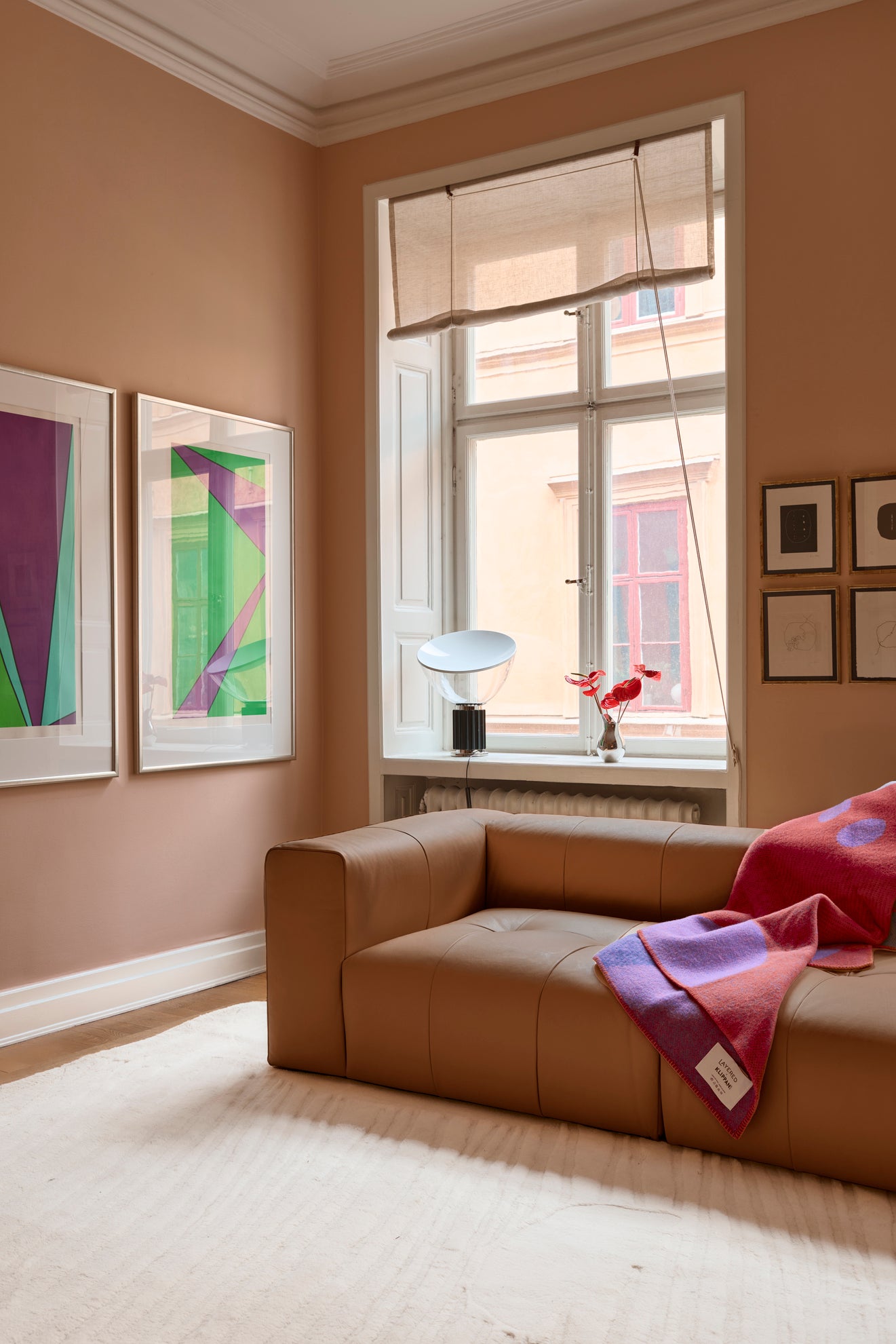
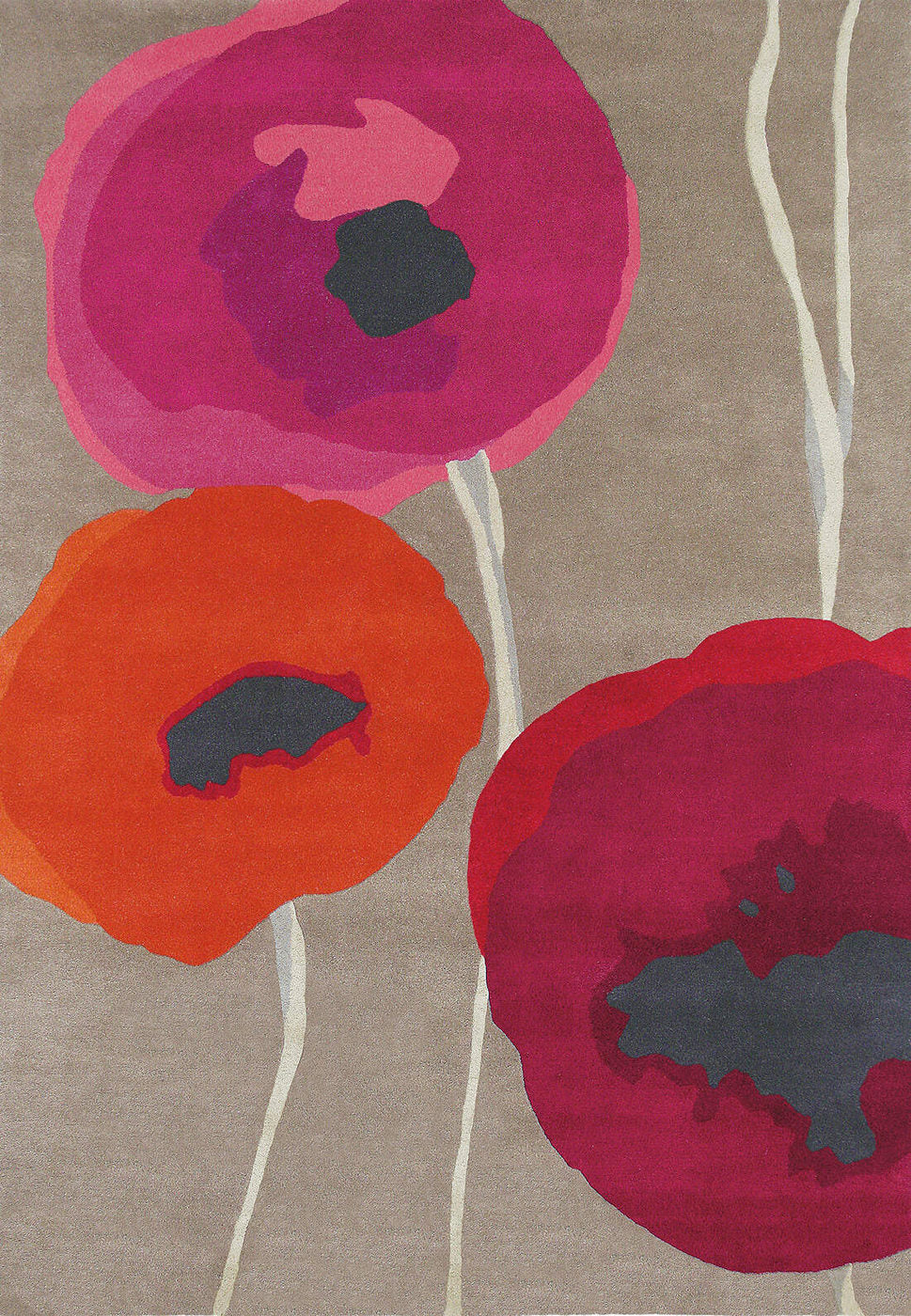
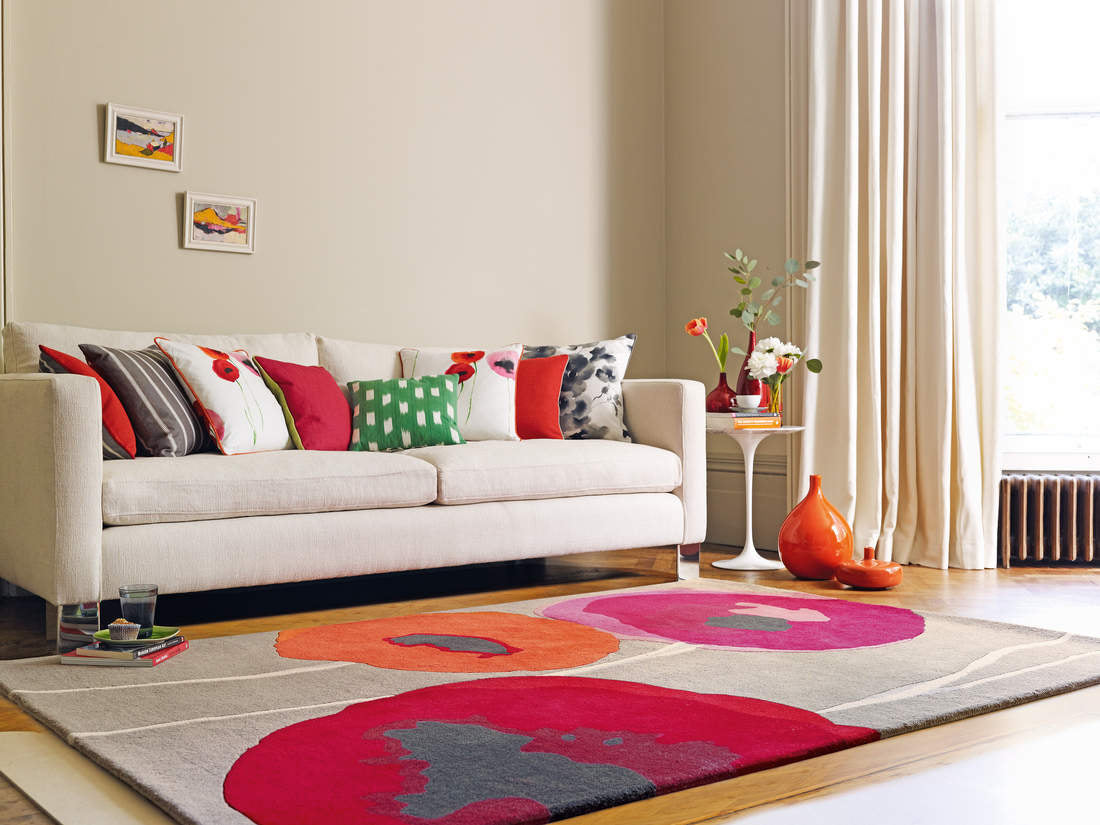


A wool rug is not a consumable. It is a decision you make once and then do not revisit for fifteen or twenty years. That is a different proposition from most things you buy for a home, and it changes the calculation. Spend less on a synthetic rug and you will spend again in five years, then again in five more. Spend once on wool and the maths work out differently. The material simply does not deteriorate in the way its alternatives do.
The reason begins with the fibre itself. Wool has a natural crimp that allows it to spring back under compression. It does not flatten under furniture. The lanolin coating repels staining naturally, without the need for surface treatments that wear off. Wool is naturally flame-retardant. It regulates temperature, which means the rug does not turn cold underfoot in winter or trap heat in summer. And it absorbs dye at the fibre level, rather than on the surface, which means the colour does not fade unevenly with time. These are not selling points invented by wool producers. They are properties of the fibre that have made wool the preferred material for serious floor coverings for centuries.
New Zealand Wool and Why It Matters
New Zealand wool is the premium choice within that category. British buyers will recognise the connection: long-staple, high-lanolin, densely crimped wool from a country whose farming heritage is intertwined with our own. The fibres shed less, resist pilling more effectively and maintain their spring over years of heavy use. Perletta sources exclusively from New Zealand, handweaving each piece to order in Morocco. The surface changes with the light throughout the day and develops a considered depth over time that no synthetic pile will achieve.
Which Construction for Which British Interior
The choice of construction determines the character of the surface as much as the material itself. A hand-knotted rug has no backing layer: the construction is the rug. Under heavy furniture, on a hard floor, over decades, a hand-knotted wool rug holds its shape and its colour in a way that is genuinely difficult to replicate at any price in any other method. Perletta's handwoven pieces are the clearest expression of this. A hand-tufted rug offers the same New Zealand wool in a denser, more immediately tactile surface. Sanderson and Morris & Co produce handtufted wool rugs in collections that draw directly from the British design archive: floral, considered, with a heritage that fits period properties and contemporary interiors equally well. Brink & Campman takes the handtufted construction in a more graphic, contemporary direction. Layered from Stockholm produces handwoven wool and natural fibre combinations with a precision and restraint that works well in considered British interiors that do not want the floor to shout.
For period properties, large-format handtufted wool in heritage patterns anchors the living room without competing with cornicing and original features. For a modern flat or conversion, the cleaner geometry of handwoven wool or the graphic collections from Brink & Campman make more sense. For the bedroom, the temperature-regulating quality of wool is particularly relevant: it is the one room where a rug is felt underfoot first thing every morning, and synthetic pile does not perform the same way in cold weather.
Underfloor Heating, Care and Longevity
Wool works with underfloor heating when the pile height is managed. Flatwoven and short-pile wool constructions transmit heat efficiently. Thicker pile insulates more. A tog rating below 1.5 to 2.5 is the practical guide. Maintenance is straightforward: vacuum regularly using suction only, without a rotating beater bar. Blot spills immediately. Professional cleaning every two to five years for deeper care. Initial shedding in the first weeks is normal in any new handtufted wool rug and stops with regular vacuuming.
Free delivery across the United Kingdom on every order. 30-day returns on all standard collection pieces.